


How to Choose a yarn for my crochet project?
How to know What type of yarn should I use for this crochet project?
Choosing the right yarn for a project is crucial because it affects the look, feel, and durability of your final piece. When selecting yarn, consider the following factors:
1. Project Type
- Garments (e.g., sweaters, scarves, hats): Soft, comfortable yarns that feel good against the skin are ideal. Wool, alpaca, or blends of natural fibers like cotton and bamboo are good choices for warmth and breathability. For lightweight summer garments, cotton or bamboo works well.
- Blankets or Afghans: Durability and softness are key. Acrylic yarn is popular because it’s machine washable and affordable, making it a good choice for everyday use blankets. Wool blends also work well for warmth.
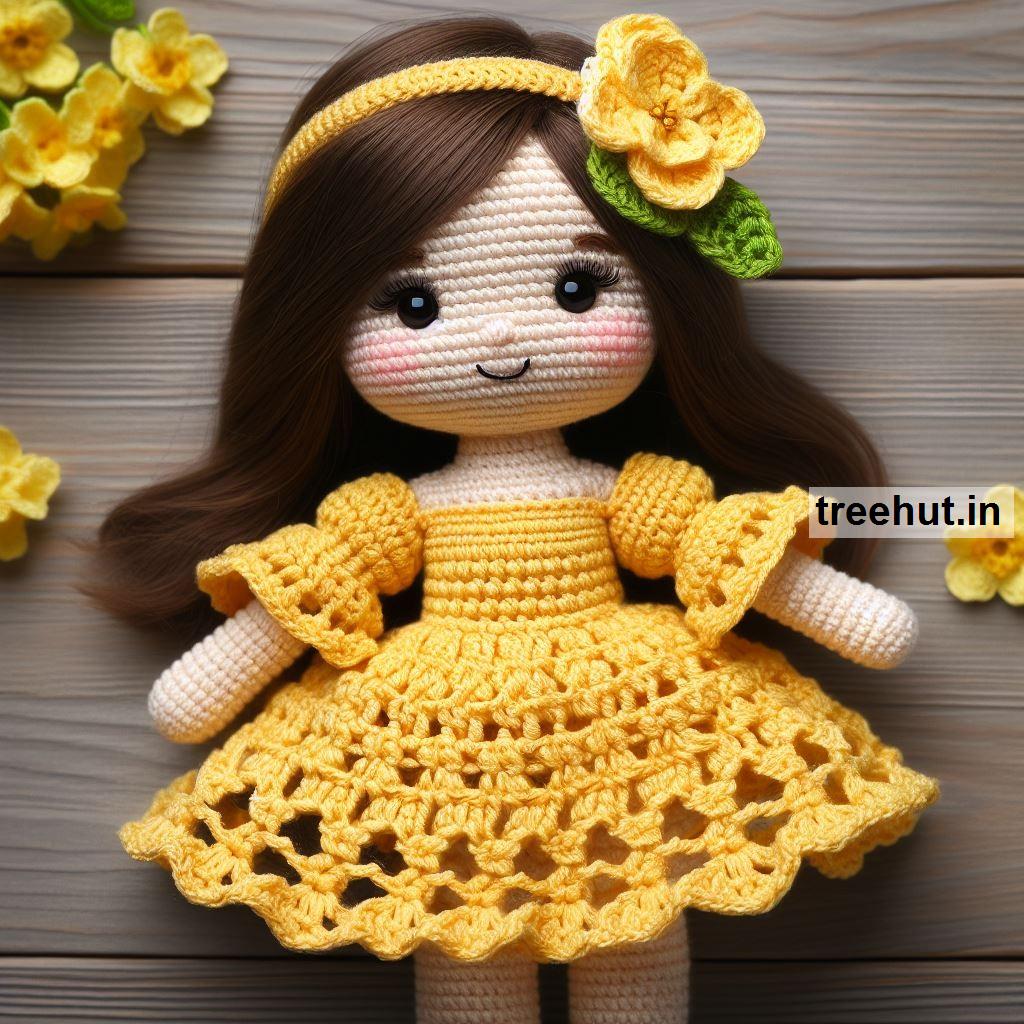
- Amigurumi (crochet toys): A tightly spun yarn, like cotton or acrylic, works best because it creates a firm structure. Cotton yarn is especially good for detailed stitches, while acrylic is great for colorful designs and easy maintenance.
- Dishcloths or Scrubbies: Choose absorbent, durable yarns like 100% cotton, which holds up well after repeated washing and scrubbing.
2. Fiber Content
- Acrylic: This is a synthetic fiber that's widely available and cost-effective. Acrylic yarn is durable, machine washable, and comes in a huge variety of colors. However, it’s not as breathable as natural fibers, so it may not be ideal for garments you’ll wear close to the skin in warm weather.
- Cotton: Cotton yarn is natural, breathable, and great for items that require structure, like bags, dishcloths, or summer garments. It’s not as stretchy as wool, so it might not be ideal for projects that need elasticity, like hats.
- Wool: Wool is warm, durable, and has natural elasticity, making it great for garments like sweaters and accessories. However, some people find wool itchy, and it may require hand washing unless it’s labeled as "superwash" wool, which is machine washable.
- Blends: Many yarns are blends of fibers like cotton, wool, acrylic, cashmere, merino, silk or bamboo. Blends combine the best characteristics of each fiber. For example, a wool-acrylic blend can provide the warmth of wool with the easy care of acrylic.
3. Yarn Weight
Yarn weight refers to the thickness of the yarn. The thickness affects the size of your project, the drape, and the hook size needed.
- Lace Weight (0): Fine and delicate, perfect for intricate doilies or lace shawls.
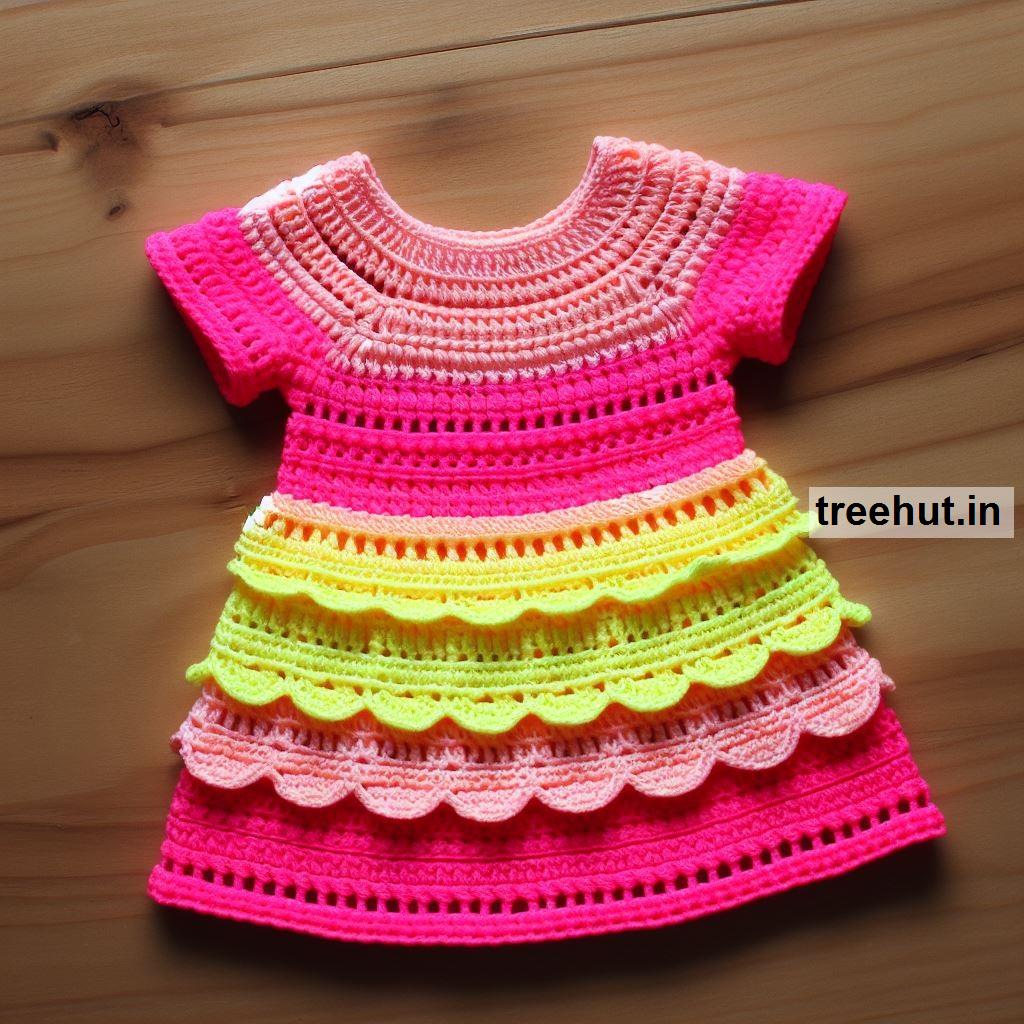
- Fingering Weight (1): Light and ideal for socks, baby clothes, and lightweight garments.
- DK (Double Knit) or Light Worsted (3): Versatile, used for lightweight sweaters, scarves, or baby blankets.
- Worsted Weight (4): The most common yarn weight, used for everything from garments to home décor. It’s a good choice for beginners and works up relatively quickly.
- Bulky (5) and Super Bulky (6): Thick yarns used for quick, chunky projects like blankets, scarves, or hats.
4. Yarn Color
- Solid Colors: Easy to work with and highlight stitch definition, making them a good choice for intricate patterns like cables or lace.
- Variegated Colors: Yarn that changes colors throughout the skein adds visual interest but can sometimes obscure detailed stitch work. Great for simple projects where the color changes are the main feature.
- Self-Striping: These yarns automatically form stripes as you work, adding an exciting element to plain patterns without having to switch yarns.
- Speckled or Hand-Dyed: These add a unique, artistic touch, but like variegated yarns, they can sometimes hide detailed stitch patterns.
5. Yarn Texture
- Smooth Yarns: Most projects benefit from smooth, even yarns as they give clear stitch definition.
- Textured Yarns (e.g., Boucle, Chenille): These can add fun texture but are harder to work with, as stitches can get lost in the texture. Best for simple projects like scarves or blankets.
- 3 ply, 2 ply, 6ply, mercerized yarns each provide a completely different feel to the project.
6. Care Instructions
- If your project is something that will see heavy use, like a blanket or wearable garment, you’ll want a yarn that’s easy to care for, preferably machine washable. Acrylic or superwash wool is ideal for these projects.
- For decorative items or special garments, you might be more willing to choose a luxury fiber like silk or alpaca, which may require hand washing.
7. Drape and Stretch
- Drape: Some yarns, like cotton and silk, create a fluid drape, which is important for garments like shawls or flowy sweaters. Wool tends to be more structured and less drapey.
- Stretch: Wool and wool blends have more elasticity and are good for stretchy items like hats or fitted sweaters. Cotton and acrylic have less give and are more rigid.
8. Yarn Brand and Quality
- Budget vs. Premium: Lower-cost yarns like budget acrylics can be great for large or beginner projects, but for special items or garments, consider investing in higher-quality yarn for better durability, softness, and stitch definition.
- Local vs. Commercial Brands: Local or hand-dyed yarns offer unique colorways and support small businesses, while commercial brands tend to be more consistent and widely available.
- The type of yarn you choose ultimately depends on the project, the intended use, and your personal preferences. Consider the texture, drape, fiber content, and care requirements before starting your project. Always check the pattern for yarn recommendations or experiment with swatches to see how different yarns behave.