How do I crochet a shawl, and what are some tips for choosing the right yarn, pattern, and size? Crochet Techniques
How do I crochet a shawl, and what are some tips for choosing the right yarn, pattern, and size?
Crocheting a shawl is a wonderful way to create a versatile and elegant accessory that can be worn in many different ways. Shawls can range from lightweight wraps to cozy winter pieces. Here’s a detailed guide on how to crochet a shawl, along with tips for selecting yarn, patterns, and determining the right size.
How to Crochet a Shawl:
Choose a Pattern:
- Simple Shawl: For beginners, a basic shawl pattern using straightforward stitches like double crochet (dc) or half-double crochet (hdc) is ideal. Patterns such as the “Granny Shawl” or “Triangle Shawl” are easy to follow.
- Textured Shawl: Intermediate crocheters might enjoy patterns with textured stitches like shells, popcorns, or the waffle stitch. These patterns add dimension and interest.
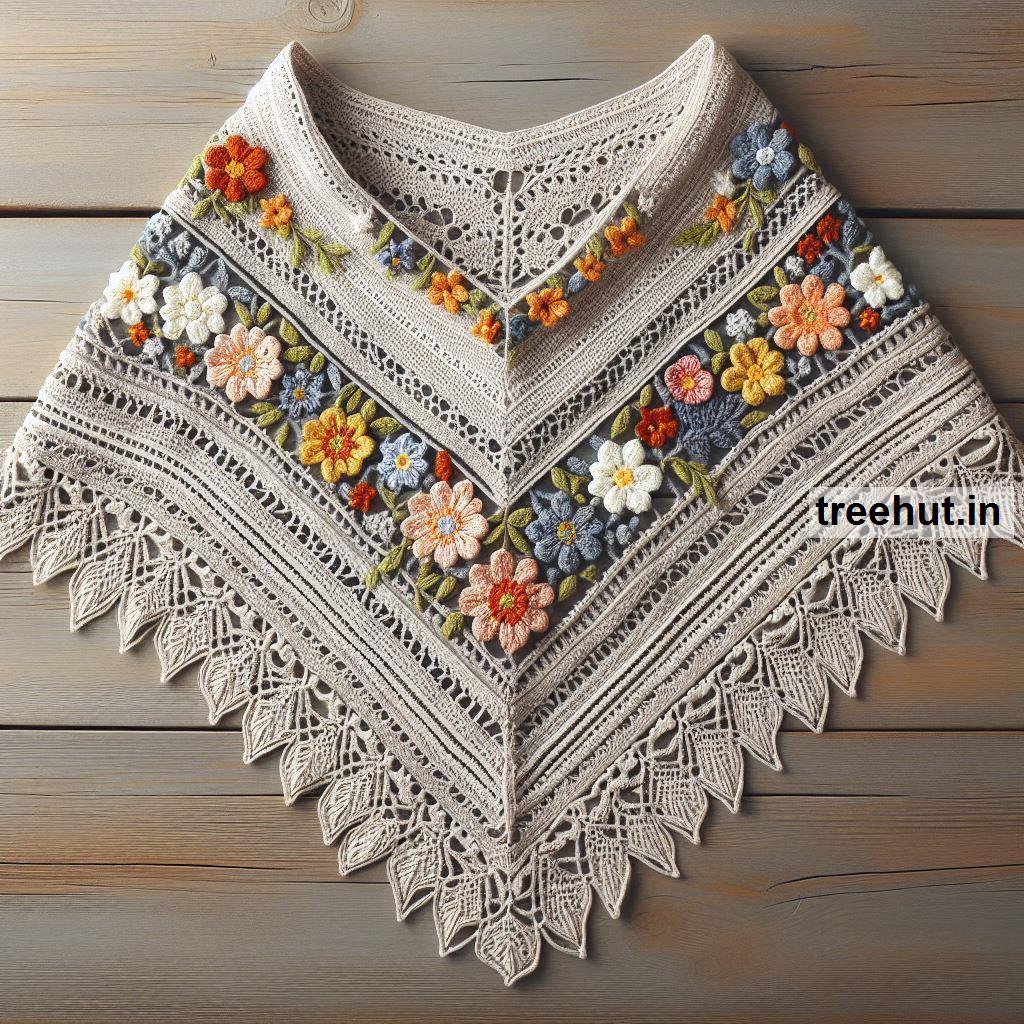
- Decorative Shawl: Advanced crocheters can experiment with intricate patterns like lace, colorwork, or motifs. Patterns like the “Virus Shawl” or “Tunisian Shawl” offer more complexity.
Select Yarn:
- Yarn Weight: Choose a yarn weight based on the desired warmth and drape of the shawl. Lightweight yarns like fingering or DK are great for lighter, more delicate shawls, while worsted or bulky yarns are better for cozy, warmer shawls.
- Fiber Content: Consider the yarn’s fiber based on comfort and care. Acrylic yarn is durable and easy to wash, wool provides warmth and softness, while cotton is breathable and ideal for warmer weather.
- Color and Texture: Select a color that complements your wardrobe or personal style. Solid colors are classic and versatile, while variegated or gradient yarns add a touch of visual interest. The texture of the yarn can also influence the shawl’s final look and feel.
Determine the Size:
- Shawl Size: Shawls can vary in size, from small neck wraps to large, draped pieces. Common sizes include:
- Small Shawl: Approximately 30-40 inches wide and 15-20 inches long.
- Medium Shawl: Approximately 50-60 inches wide and 25-30 inches long.
- Large Shawl: Approximately 60-80 inches wide and 30-40 inches long.
- Adjusting the Size: Modify the number of foundation stitches and rows based on your pattern and the desired size. Make sure you have enough yarn to complete the project.
- Shawl Size: Shawls can vary in size, from small neck wraps to large, draped pieces. Common sizes include:
Crochet the Shawl:
- Start with a Foundation: Begin with a foundation chain that matches the desired width of the shawl. For triangle shawls, start with a small number of stitches and increase as you go.
- Work in Rows or Rounds: Most shawls are crocheted in rows, but some patterns may be worked in rounds. Follow your pattern to achieve the shape and design you want.
- Increase Stitches: If you’re making a triangle shawl, increase stitches on each side to create the triangular shape. For other shapes, follow the pattern’s instructions for increases and decreases.
Finish the Edges:
- Border: Add a border to your shawl for a polished finish. This can be done using stitches like single crochet (sc), double crochet (dc), or decorative stitches like picots or scallops.
- Blocking: To give your shawl its final shape and to enhance the stitch definition, block your shawl after finishing. This involves wetting or steaming the shawl and laying it flat to dry in the desired shape.
Weave in Ends:
- Secure Loose Ends: After completing the shawl, weave in any loose yarn ends using a yarn needle. This will help prevent unraveling and give your shawl a neat finish.
Tips for Choosing Yarn, Pattern, and Size:
Yarn Choice: Select yarn that complements the pattern and suits your comfort level. Softer yarns work well for cozy wraps, while sturdier yarns are better for more structured shawls.
Pattern Selection: Choose a pattern that matches your skill level and the look you want. Simple patterns are great for beginners, while more intricate designs offer a challenge for advanced crocheters.
Size Considerations: Adjust the size of the shawl to fit your personal style and intended use. Ensure the shawl is large enough to wrap comfortably around your shoulders or drape gracefully.
Gauge: Although gauge is less critical for shawls than for fitted garments, maintaining a consistent tension will help achieve the desired size and drape.
Color and Texture: Consider how color and texture will affect the shawl’s final look. Choose colors that suit your wardrobe and textures that enhance the design of the shawl.
By following these steps and tips, you can create a beautiful and functional shawl that adds a touch of elegance and warmth to your wardrobe.