

Shoka standing flowers Japanese flower arrangement Ideas
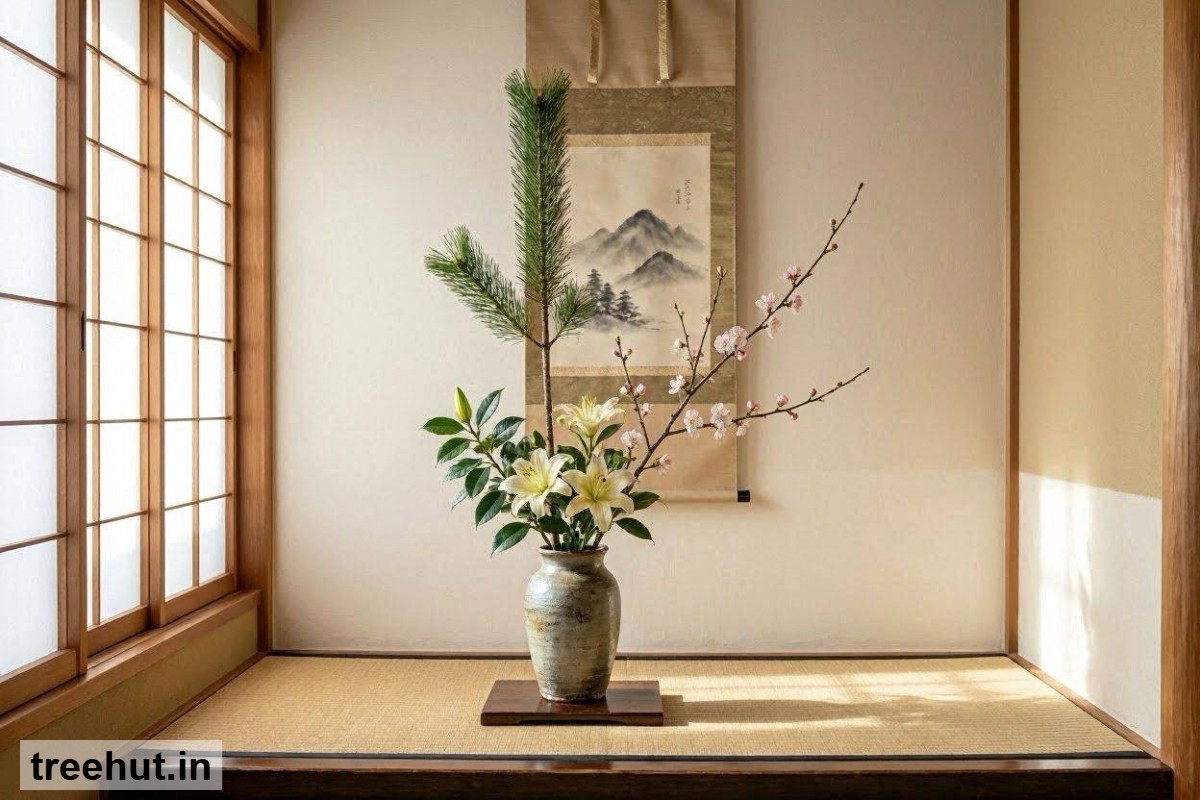
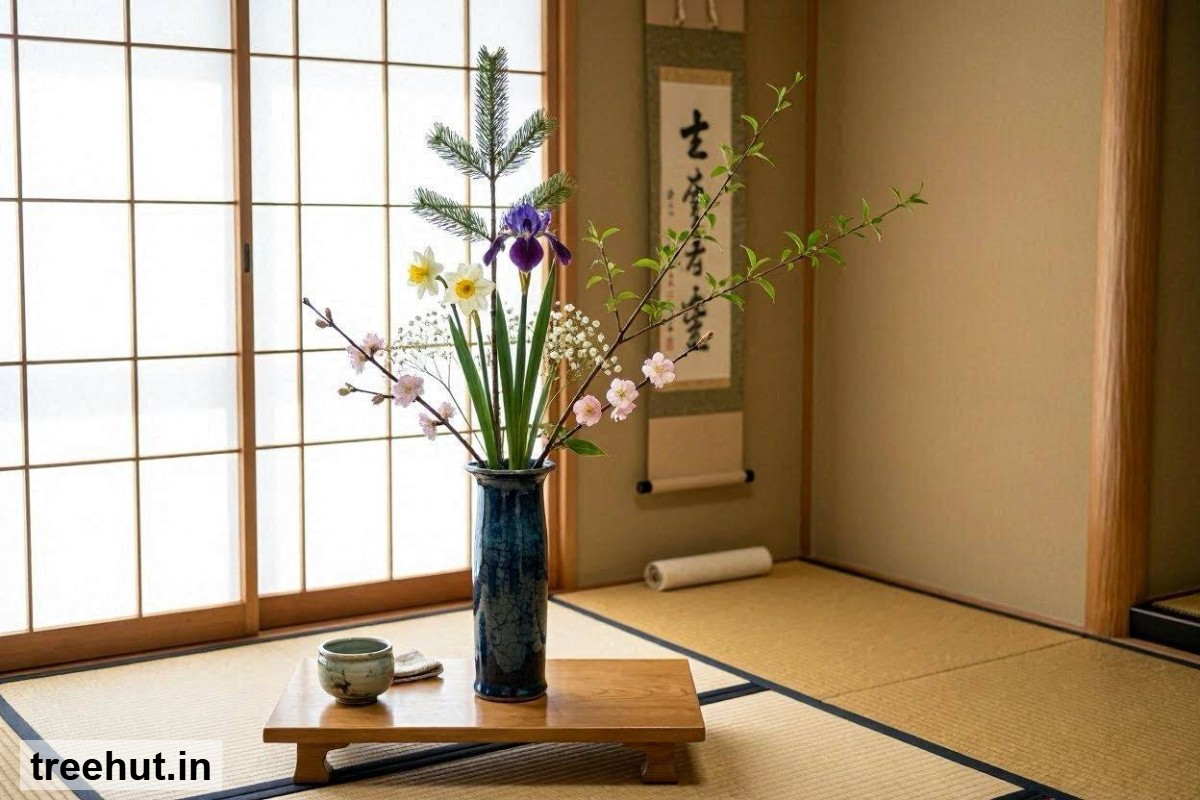
Shōka (Seika) is a classical style of Japanese ikebana that emphasizes simplicity, natural beauty, and the living spirit of plants. Unlike the elaborate Rikka style, Shōka uses a minimal arrangement to express harmony between heaven, earth, and humanity through three main stems.
Design Elements: The tallest stem (Shin) symbolizes heaven, the middle stem (Soe) represents humanity, and the shortest stem (Tai) symbolizes earth. These three elements create balance, harmony, and movement, while the open space between them represents tranquility, simplicity, and respect for nature.
Flora Used: Iris symbolizes courage, protection, and purification; chrysanthemum represents longevity and nobility; plum blossom symbolizes perseverance and hope; camellia represents admiration and elegance; bamboo symbolizes strength and flexibility; pine represents endurance and long life; and flowering branches such as cherry blossom symbolize renewal, beauty, and the fleeting nature of life.
Seasons Used: Spring arrangements feature cherry blossoms, plum blossoms, and camellias to celebrate renewal and new beginnings. Summer uses irises and fresh green foliage to express vitality and growth. Autumn highlights chrysanthemums and colorful branches to symbolize maturity and appreciation of change. Winter arrangements include pine, bamboo, and evergreen foliage to represent resilience, hope, and longevity.
Festivals and Special Occasions: Shōka arrangements are displayed during Japanese New Year celebrations, tea ceremonies, temple offerings, seasonal festivals, cultural exhibitions, and formal gatherings. They symbolize harmony, respect for nature, inner peace, prosperity, and the changing beauty of the seasons.