




Chunky Shawl Design Ideas,, Hand Knitted Luxury Fashion
Color Direction
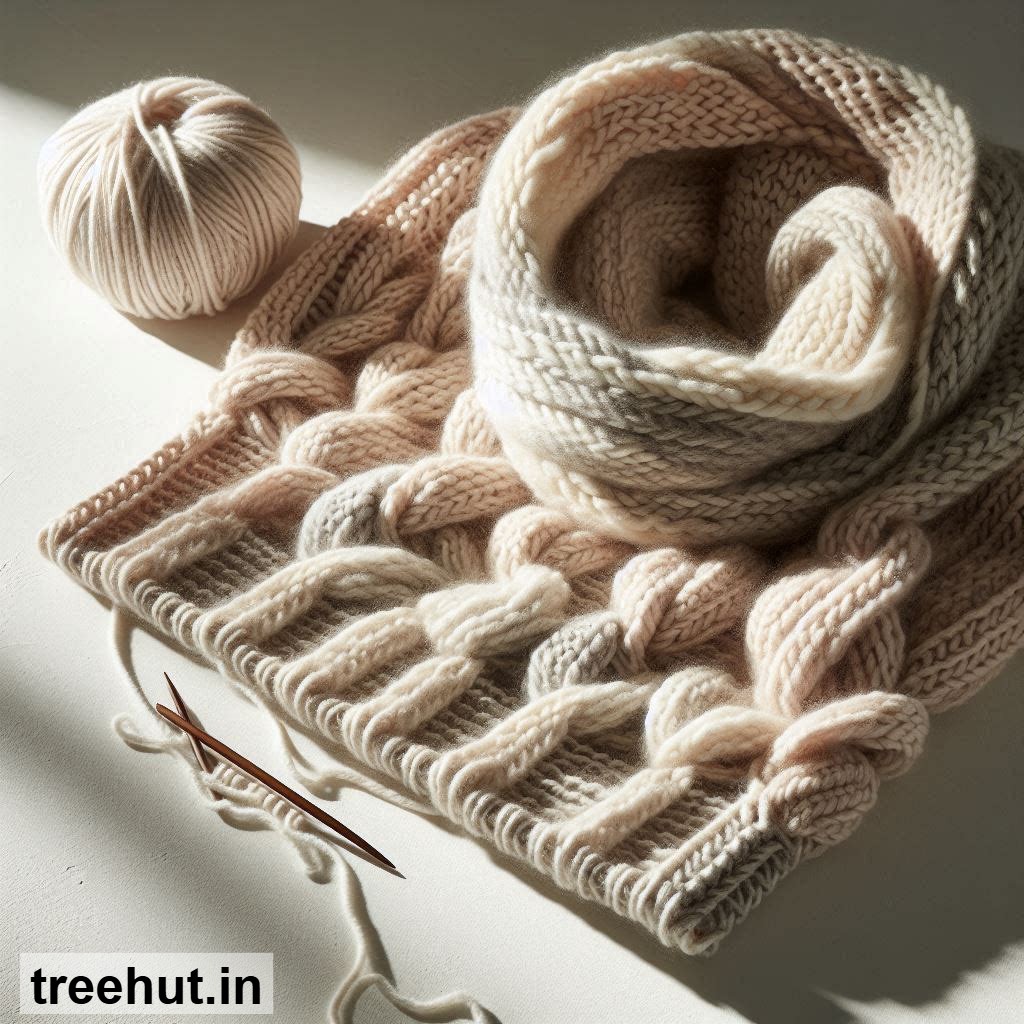
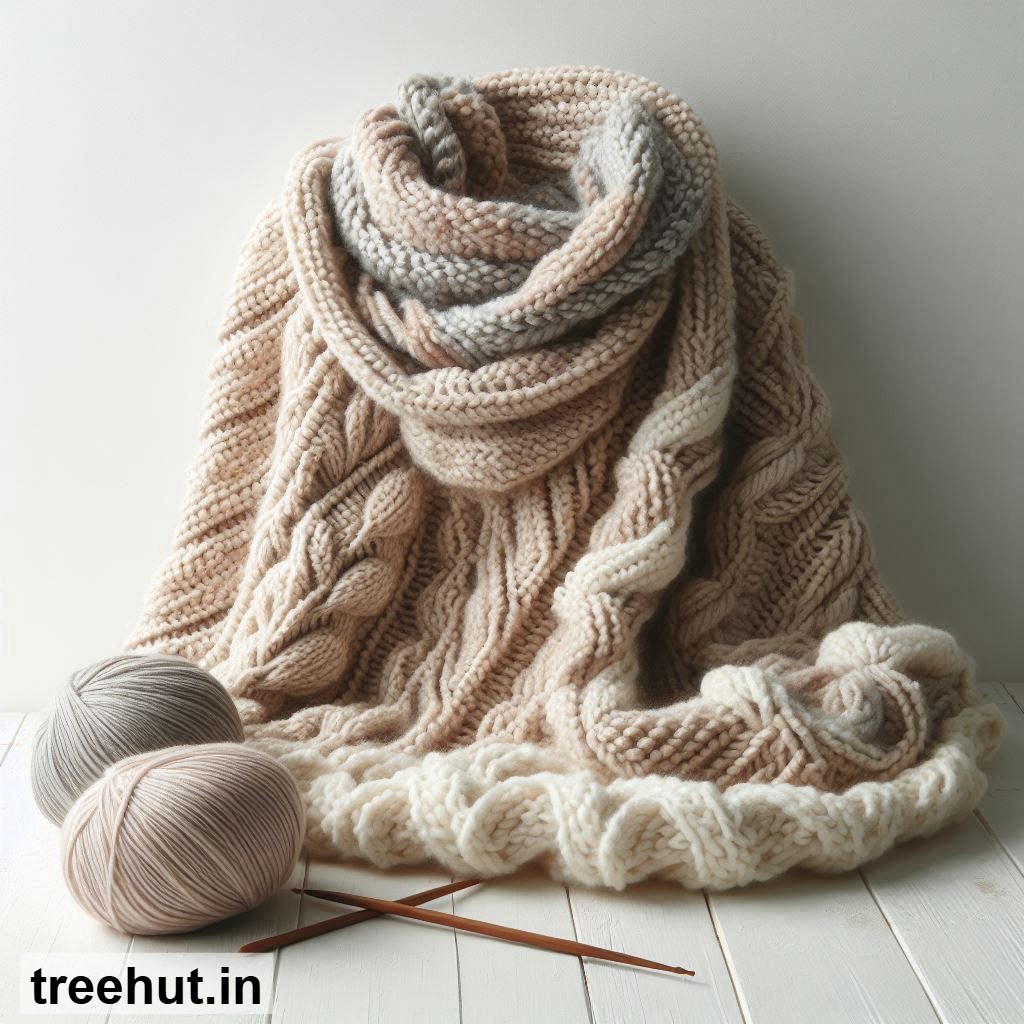
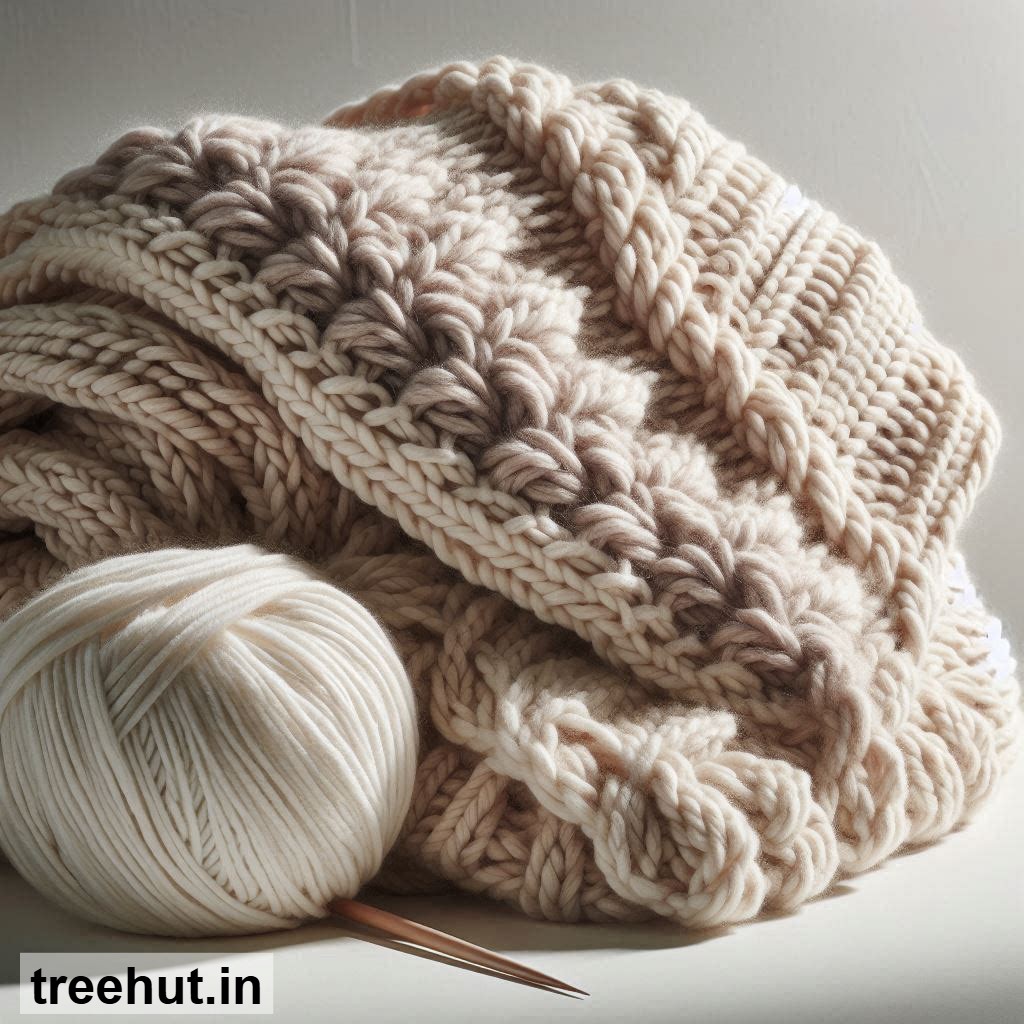
Chunky shawls in luxury hand knitting should rely on calm, grounded tones that enhance volume without visual heaviness. Ideal palettes include ivory, cream, oatmeal, and warm sand for a soft, elevated base. Earth-driven shades such as camel, caramel brown, muted olive, and stone gray add depth while maintaining a natural luxury feel. For a more dramatic yet refined approach, charcoal, deep espresso, and midnight navy can be used in tonal gradients or solid forms. The overall direction should stay low-saturation to keep the shawl elegant despite its size and texture.
Yarn Selection
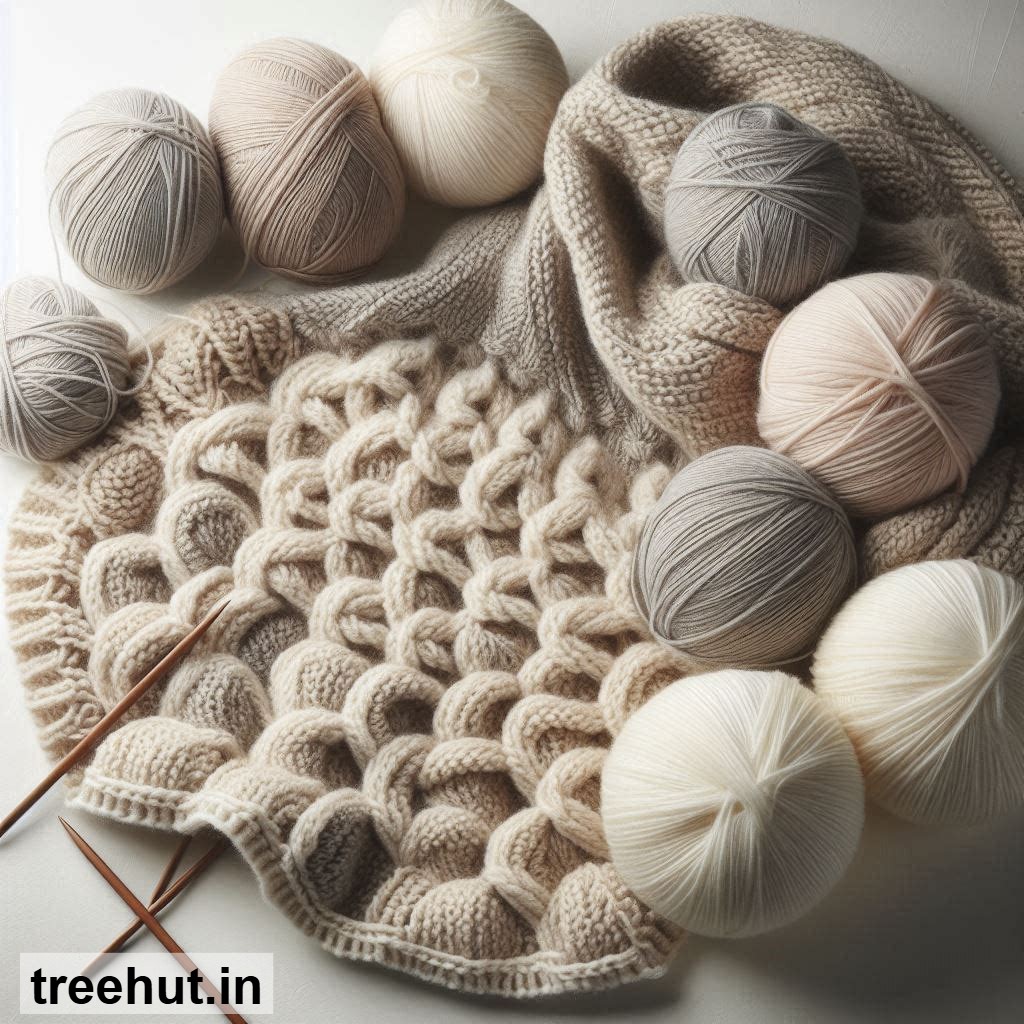
The yarn defines the sculptural quality of a chunky shawl. Bulky merino wool is a strong foundation due to its balance of softness, elasticity, and structure. Alpaca yarn enhances warmth and creates a plush, cloud-like drape that works especially well for oversized wraps. Cashmere blends elevate the piece into high-luxury territory with exceptional softness and fluidity. Brushed or air-spun yarns add volume while keeping the shawl lightweight, preventing it from feeling overly dense or rigid.
Texture and Stitch Design
Texture should emphasize scale and softness rather than complexity. Large-scale garter stitch creates a sculptural, minimalist surface ideal for oversized shawls. Oversized ribbing and broken rib patterns add subtle structure while maintaining flexibility. Simple cable accents can be introduced along edges or central panels to create focal points without overwhelming the form. Gradient knitting or tonal marling can add visual depth, especially when transitioning between closely related earth tones, enhancing the handcrafted luxury feel.
Shape and Construction
Chunky shawls should prioritize generous proportions and natural drape, often in triangular, asymmetrical, or wide rectangular forms. The silhouette should allow the shawl to wrap, fold, and layer easily without losing shape. Edge construction is important, with reinforced borders or subtle ribbing to prevent curling and maintain structure. The design should focus on effortless layering, where the shawl functions both as a statement accessory and a functional outer layer. The final effect should feel soft, architectural, and cocoon-like, combining warmth with understated luxury.