




Botanical Motif for Knitted Sweater, Hand Knitted Luxury Fashion Design Ideas
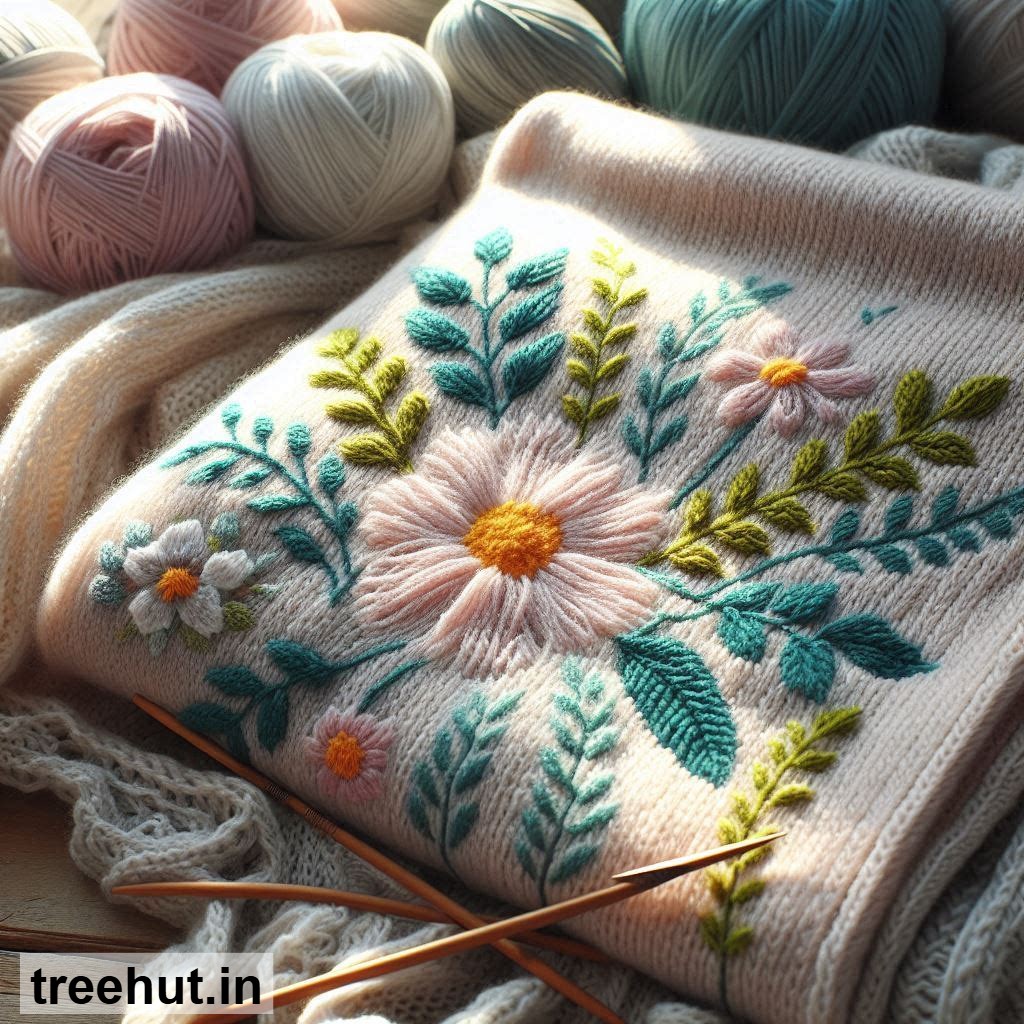
Color Direction
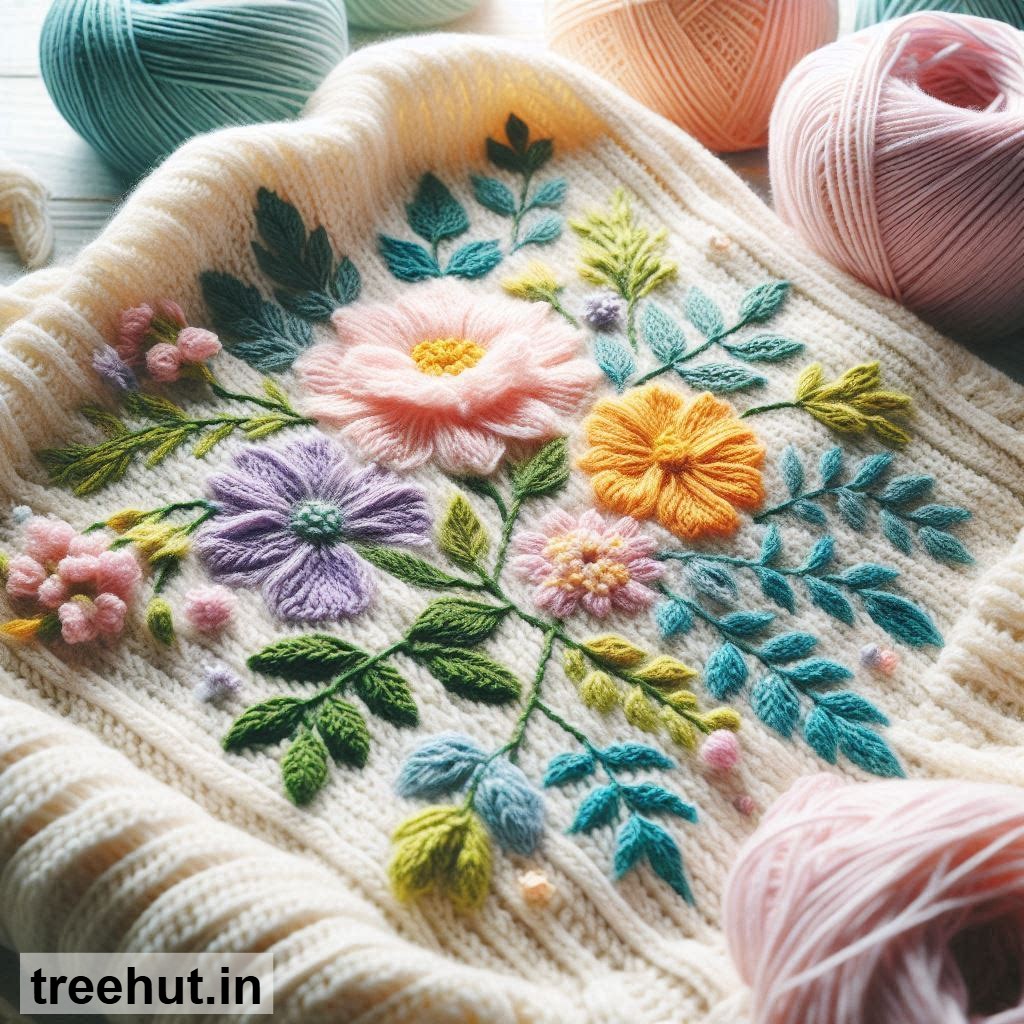
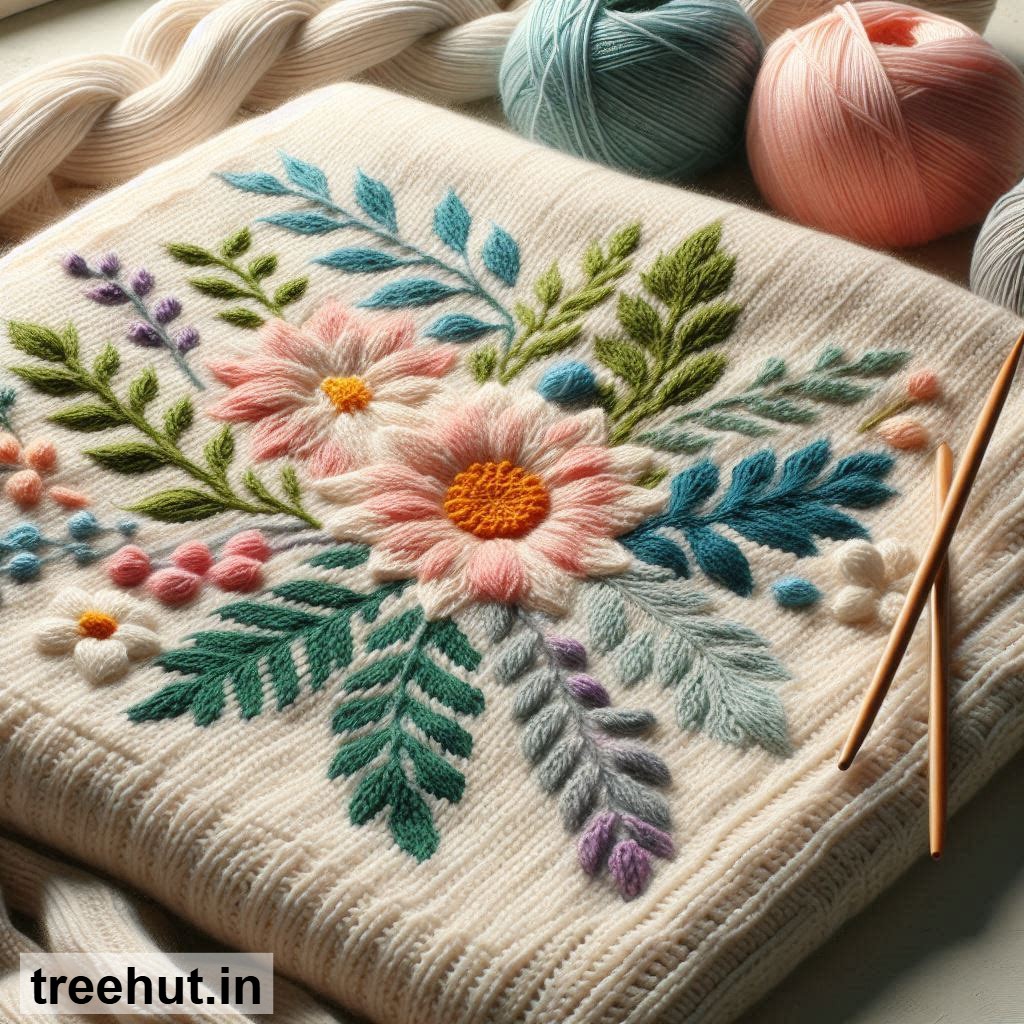
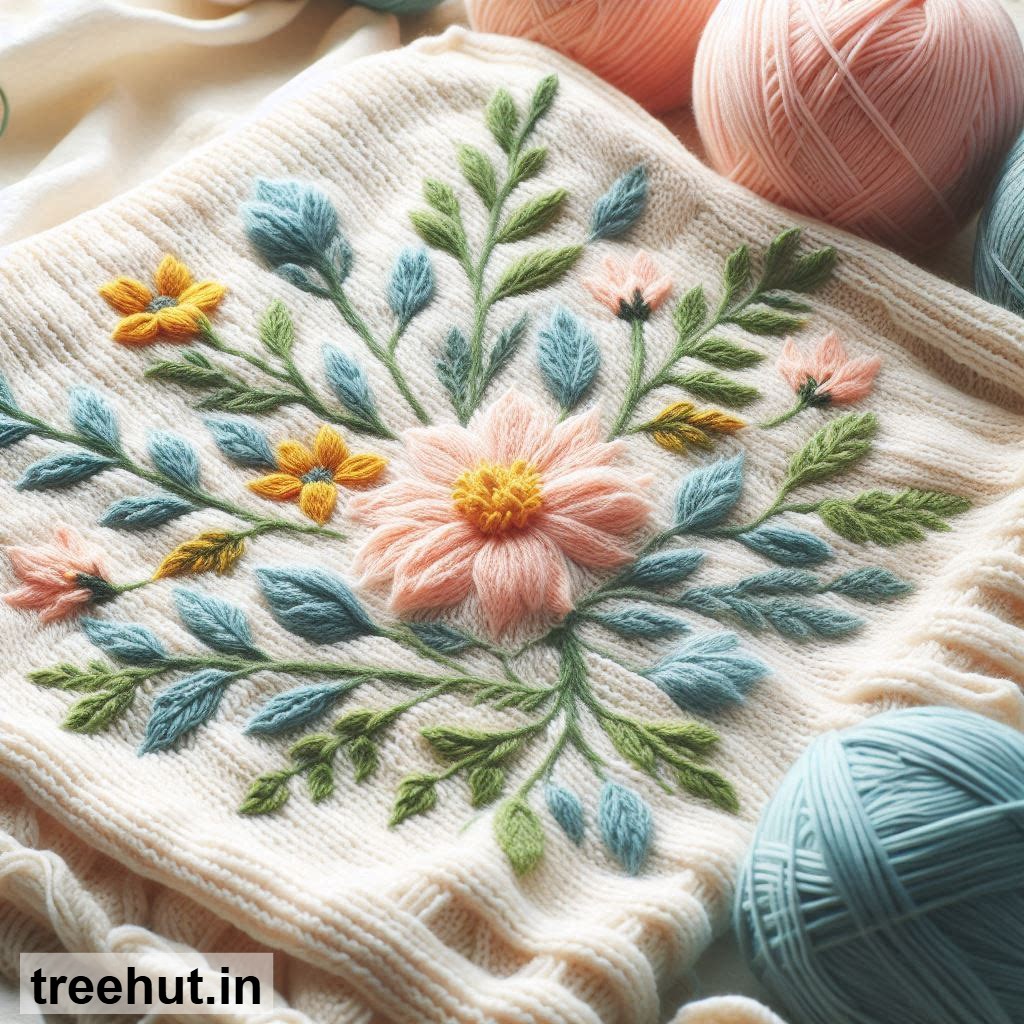
Botanical motif sweaters in luxury hand knitting should use natural, garden-inspired palettes that feel organic rather than illustrative. Core base tones include ivory, soft beige, oatmeal, and mist gray to keep the garment refined and versatile. Botanical accents work best in muted greens such as sage, olive, eucalyptus, and moss, paired with restrained floral tones like dusty rose, muted lavender, faded marigold, and clay red. The overall palette should feel like dried botanicals rather than fresh, saturated blooms, emphasizing subtlety and maturity in color expression.
Yarn Selection
Natural fibers are essential for achieving an authentic botanical aesthetic. Fine merino wool provides a smooth, even base that supports detailed stitch work. Alpaca blends add softness and a slightly diffused surface, ideal for softening motif edges and creating a natural, organic blur. Cashmere blends elevate the garment into luxury territory with superior drape and hand feel. Linen-wool blends can be used for more structured, seasonal pieces where a slightly rustic botanical character is desired. Yarn selection should prioritize fibers that allow tonal variation rather than high-contrast definition.
Texture and Motif Design
Botanical motifs should be interpreted through stitch language rather than printed-like graphics. Leaf shapes can be created using subtle cable increases and decreases, while floral forms can be suggested through embroidered French knots, chain stitches, or tonal intarsia in muted colors. Lace knitting can represent vine-like structures, especially when combined with openwork patterns that mimic natural branching. The key is abstraction, where botanical elements are suggested rather than explicitly drawn, creating a sophisticated, textile-based interpretation of nature.
Silhouette and Construction
Silhouettes should remain soft and wearable, allowing the botanical details to act as quiet focal points. Relaxed or slightly oversized fits work well, particularly when motifs are placed asymmetrically across the body or sleeves. Straight or gently cropped cuts help maintain visual balance when using intricate detailing. Necklines such as crew necks or soft boat necks provide a clean frame for botanical work. Construction should emphasize careful placement of motifs during shaping, with fully fashioned knitting ensuring that patterns align naturally with garment structure. The final result should feel like wearable textile nature, refined through craftsmanship rather than decoration.