



Chinese Painting Design Ideas
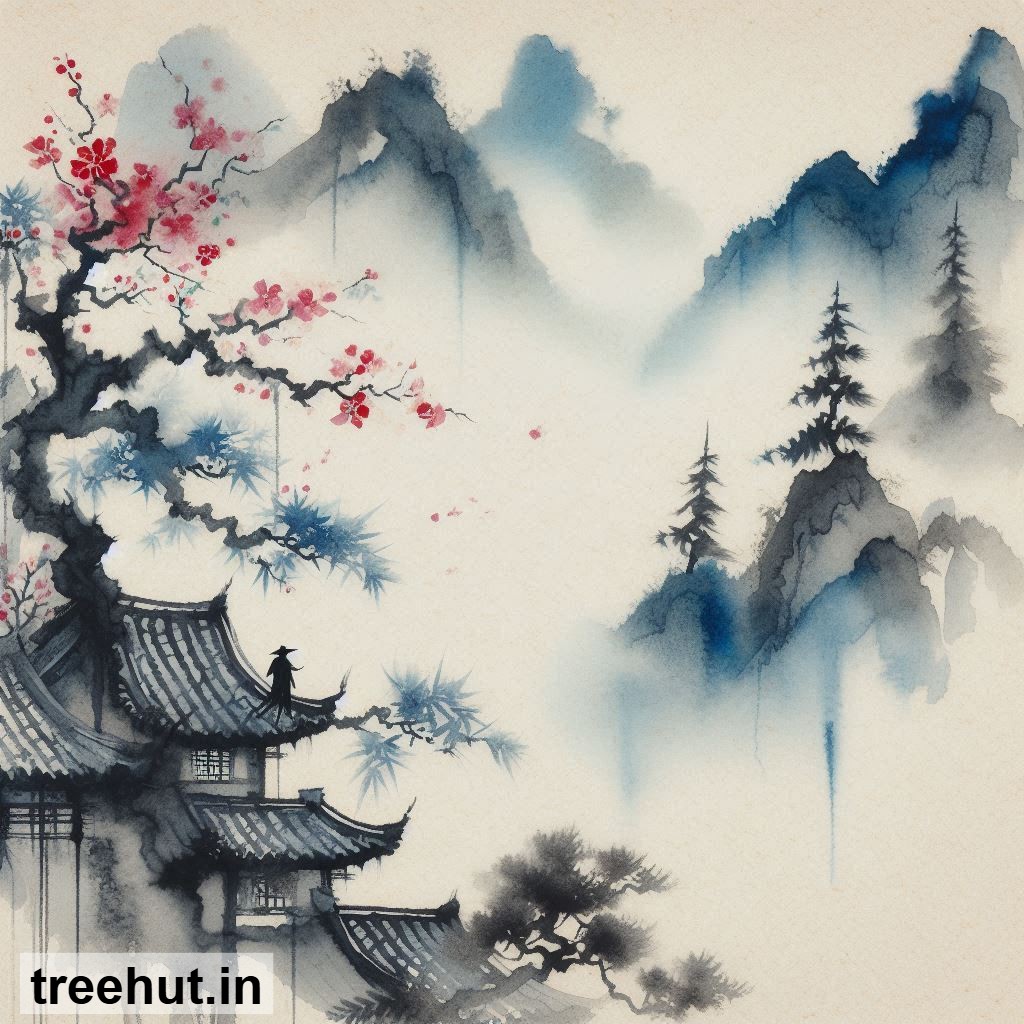
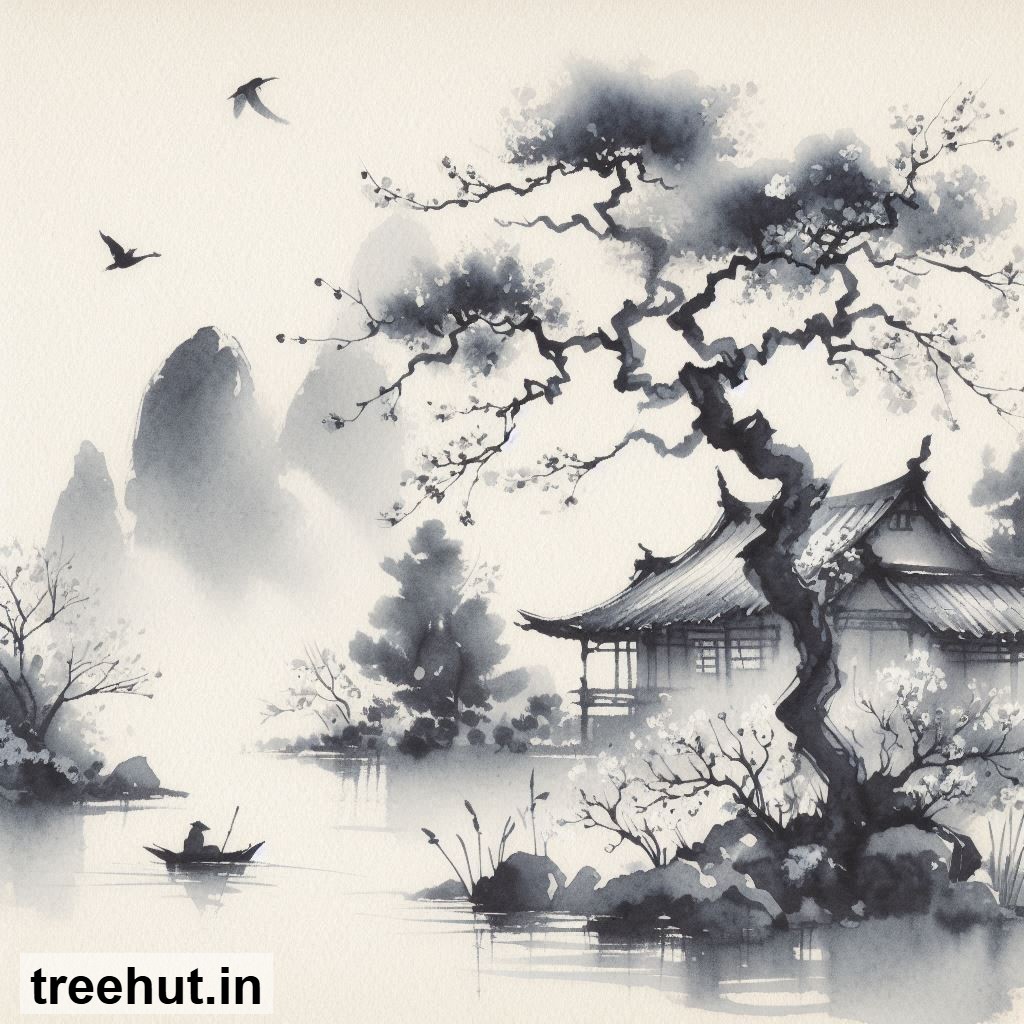
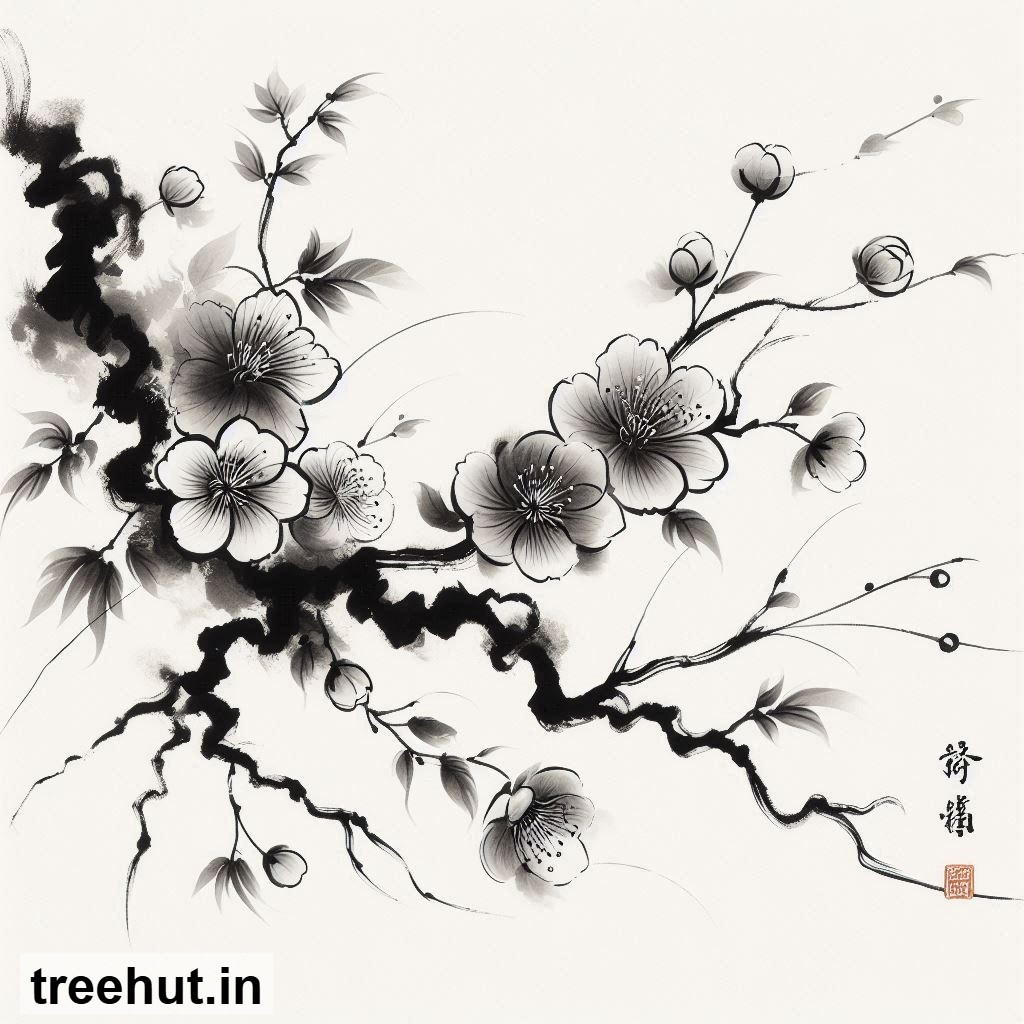
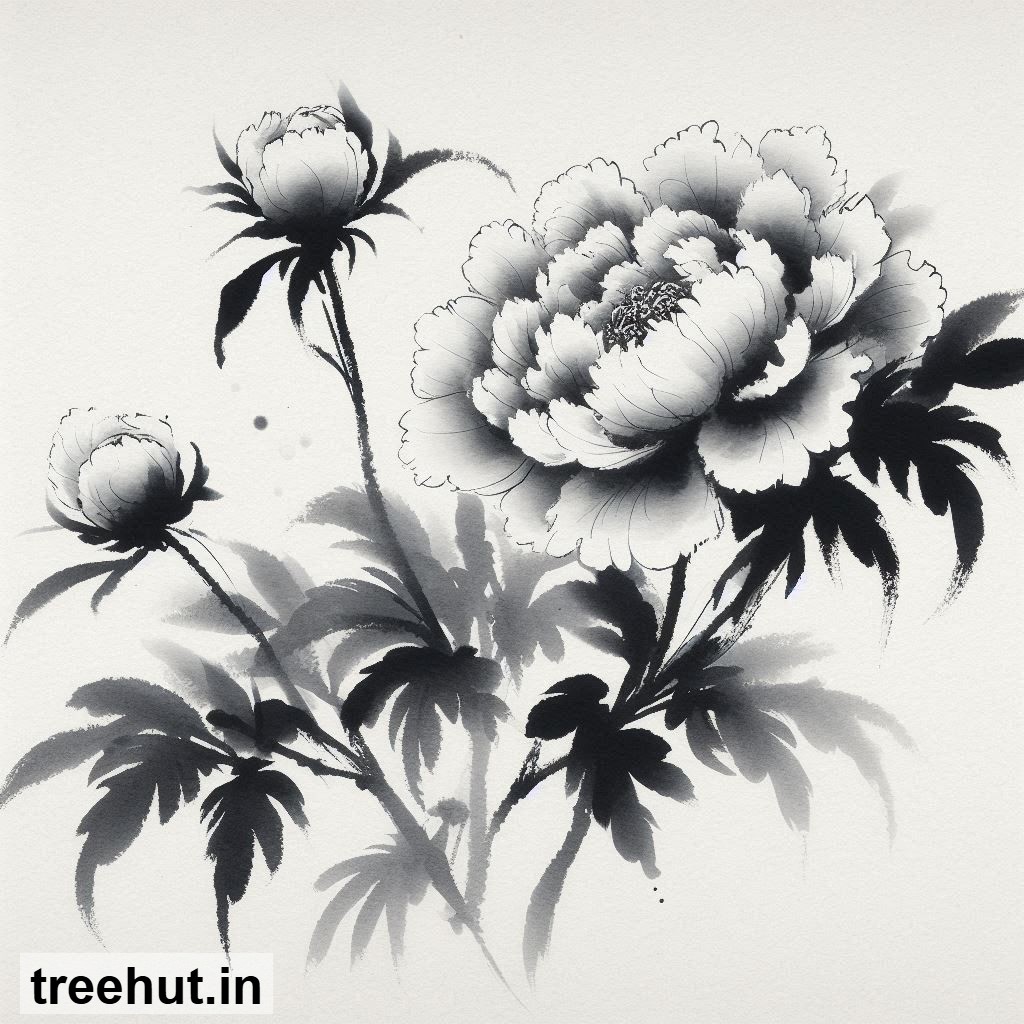
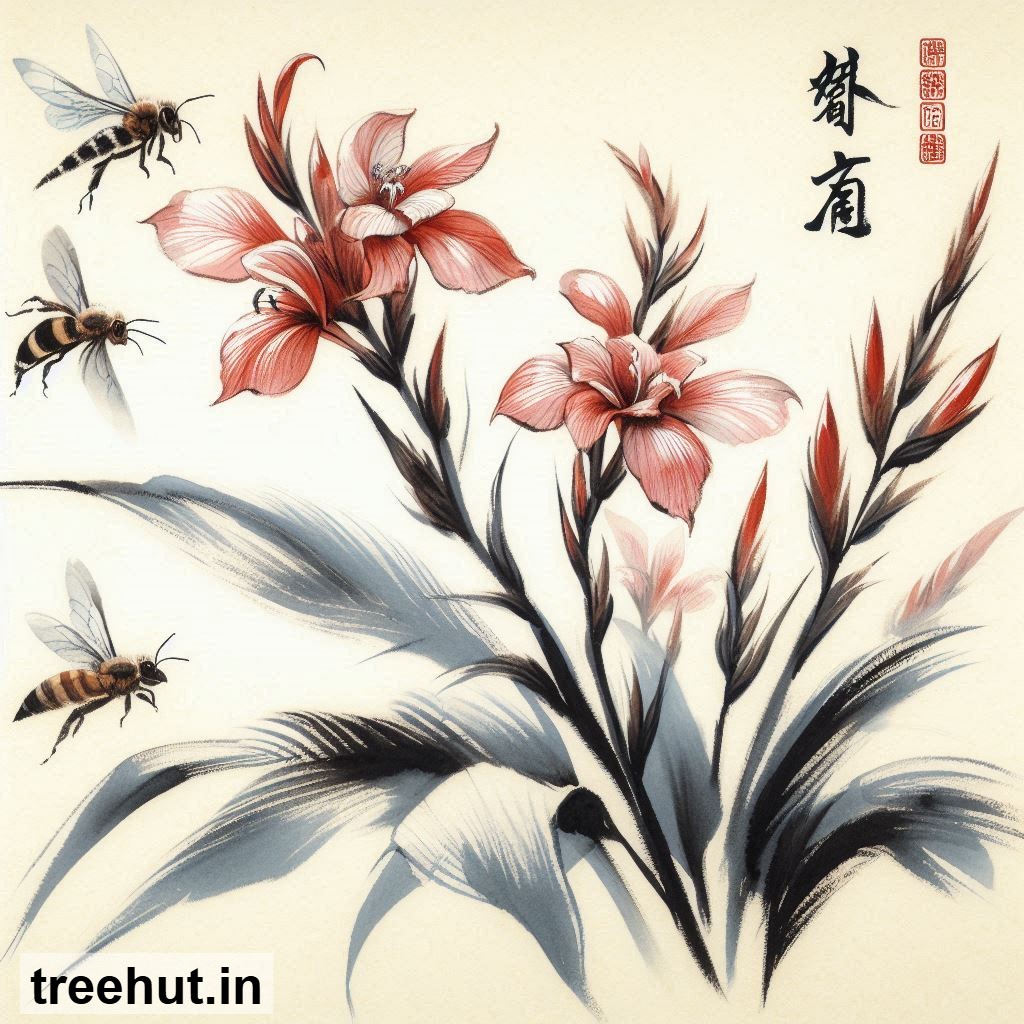
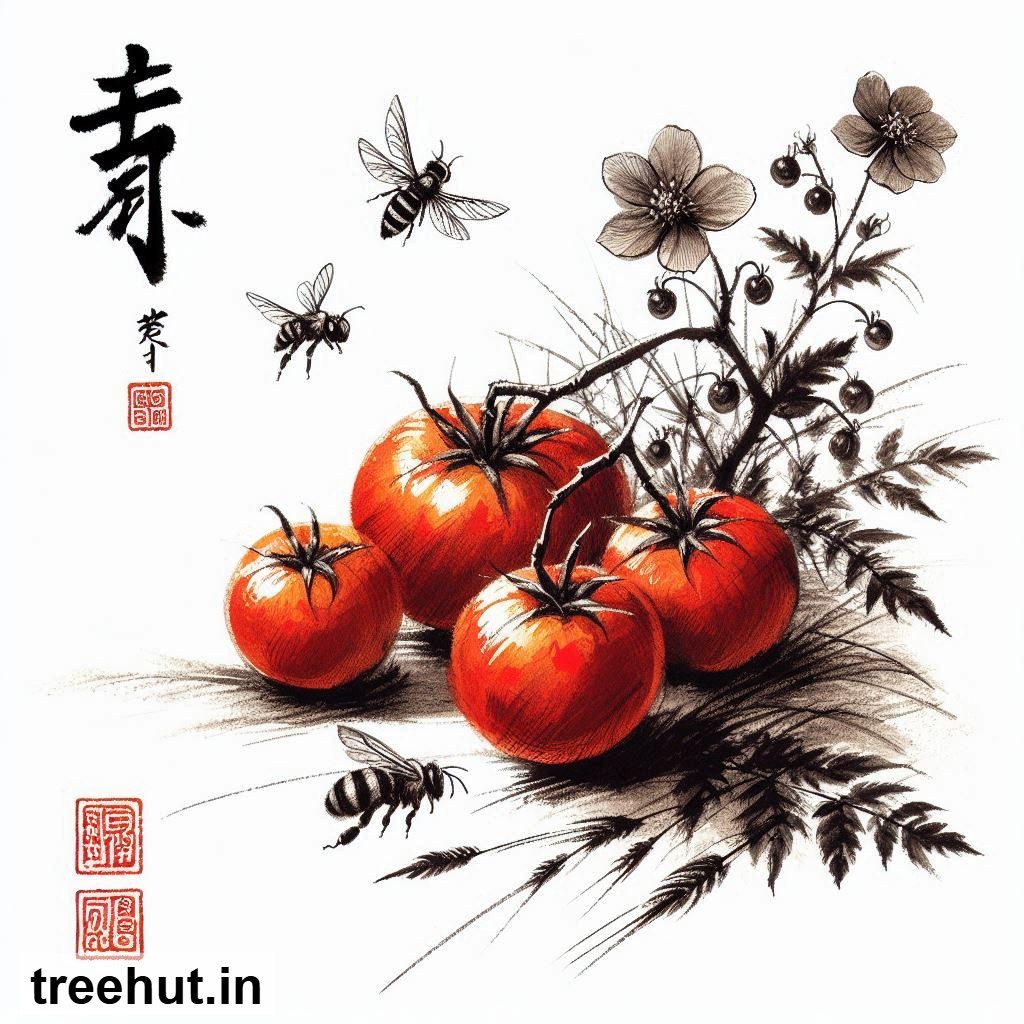
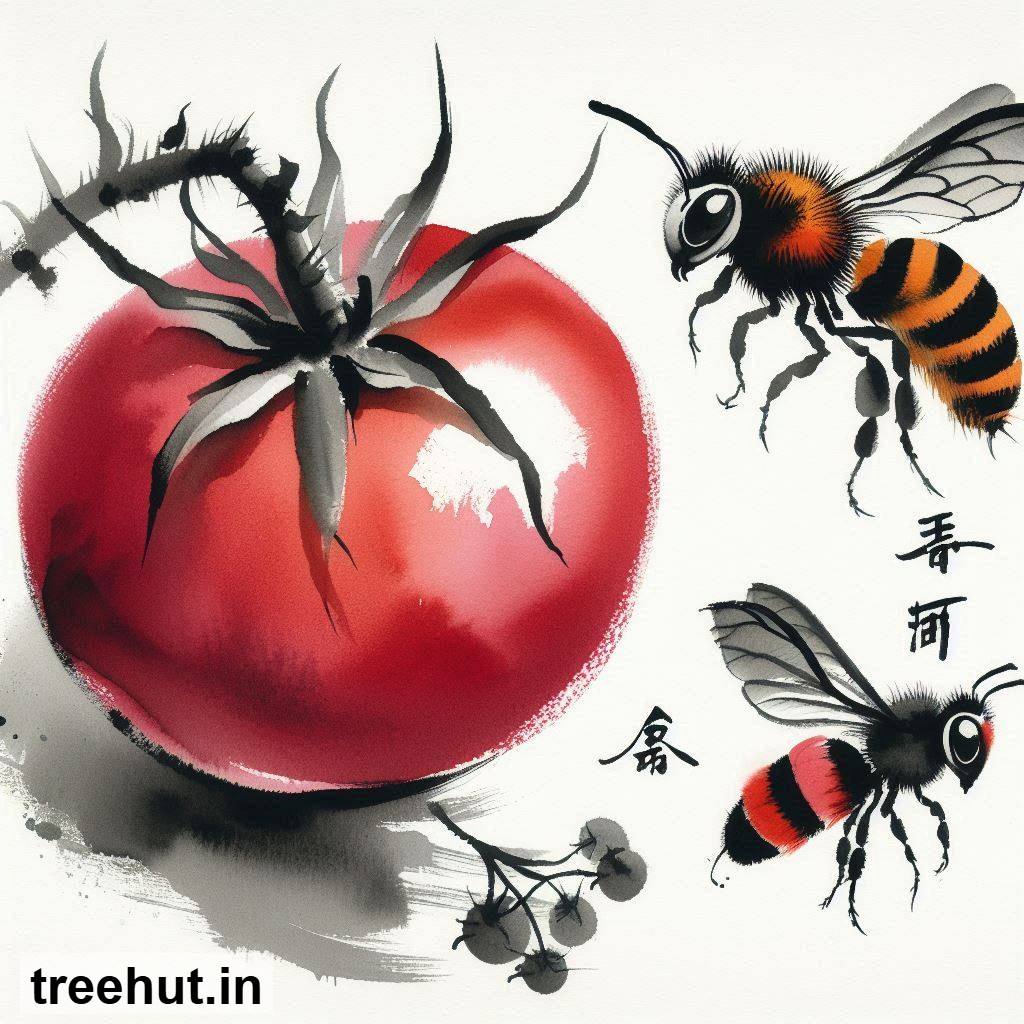
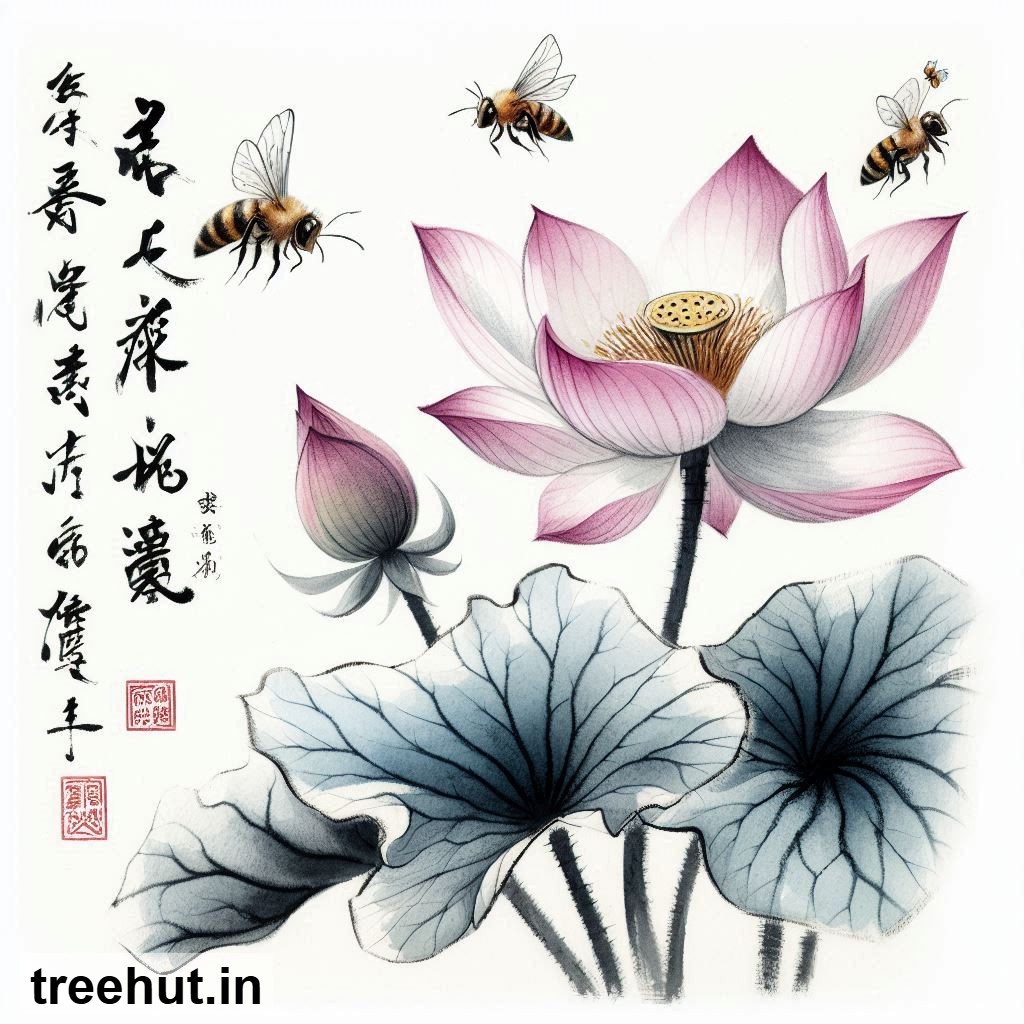
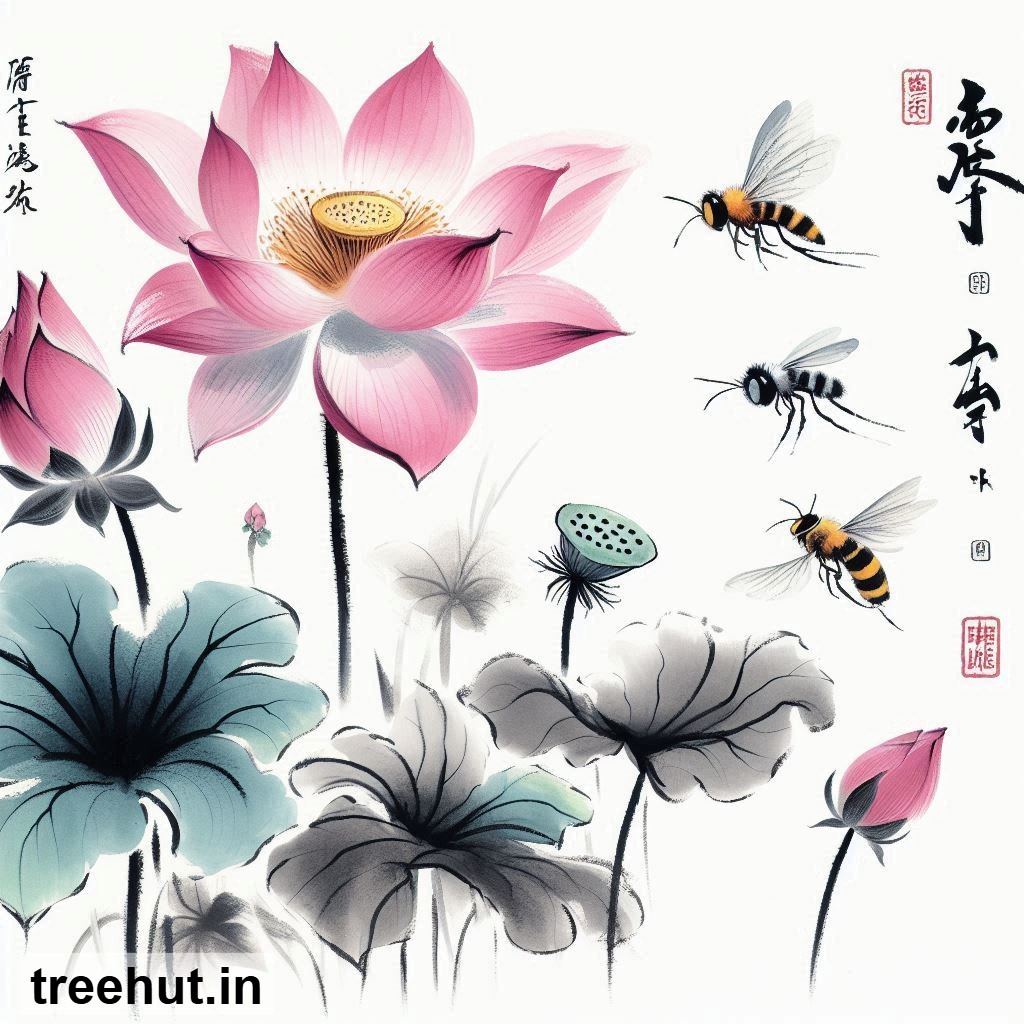
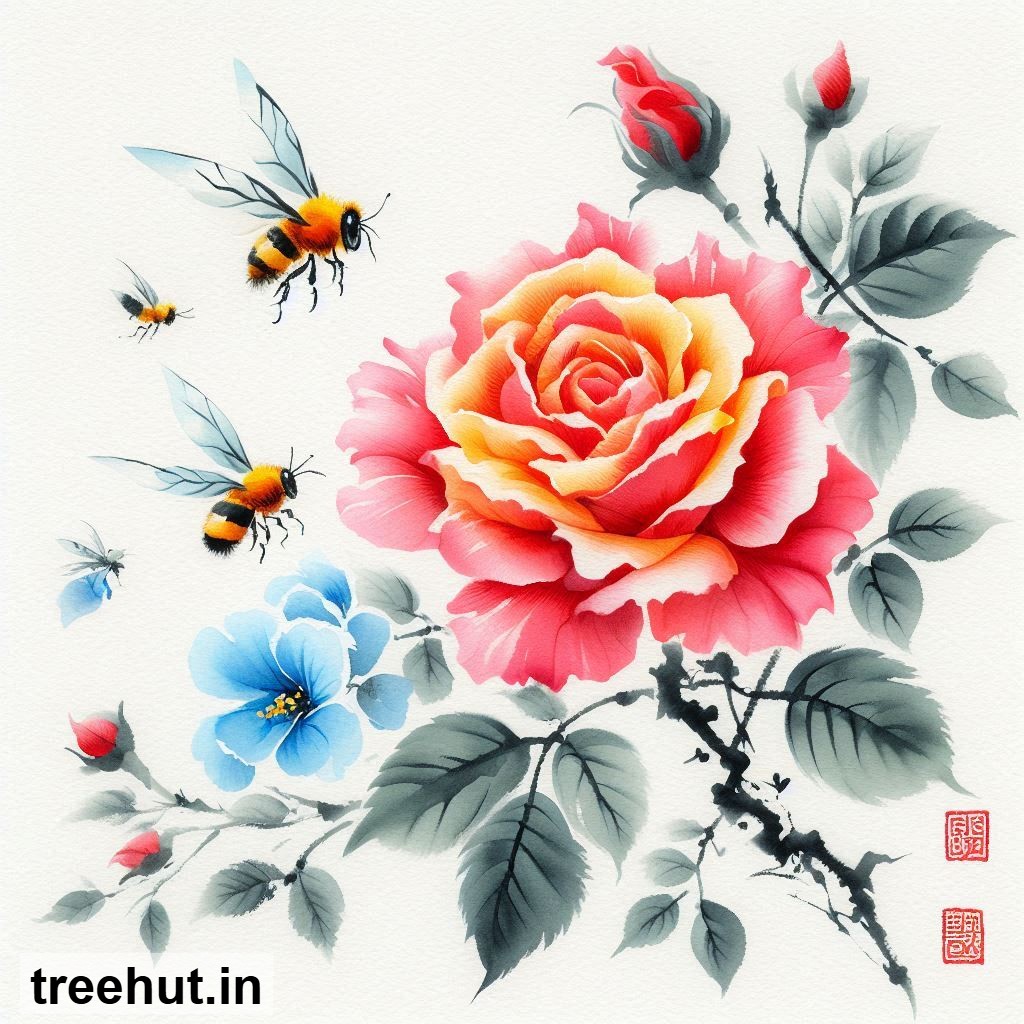
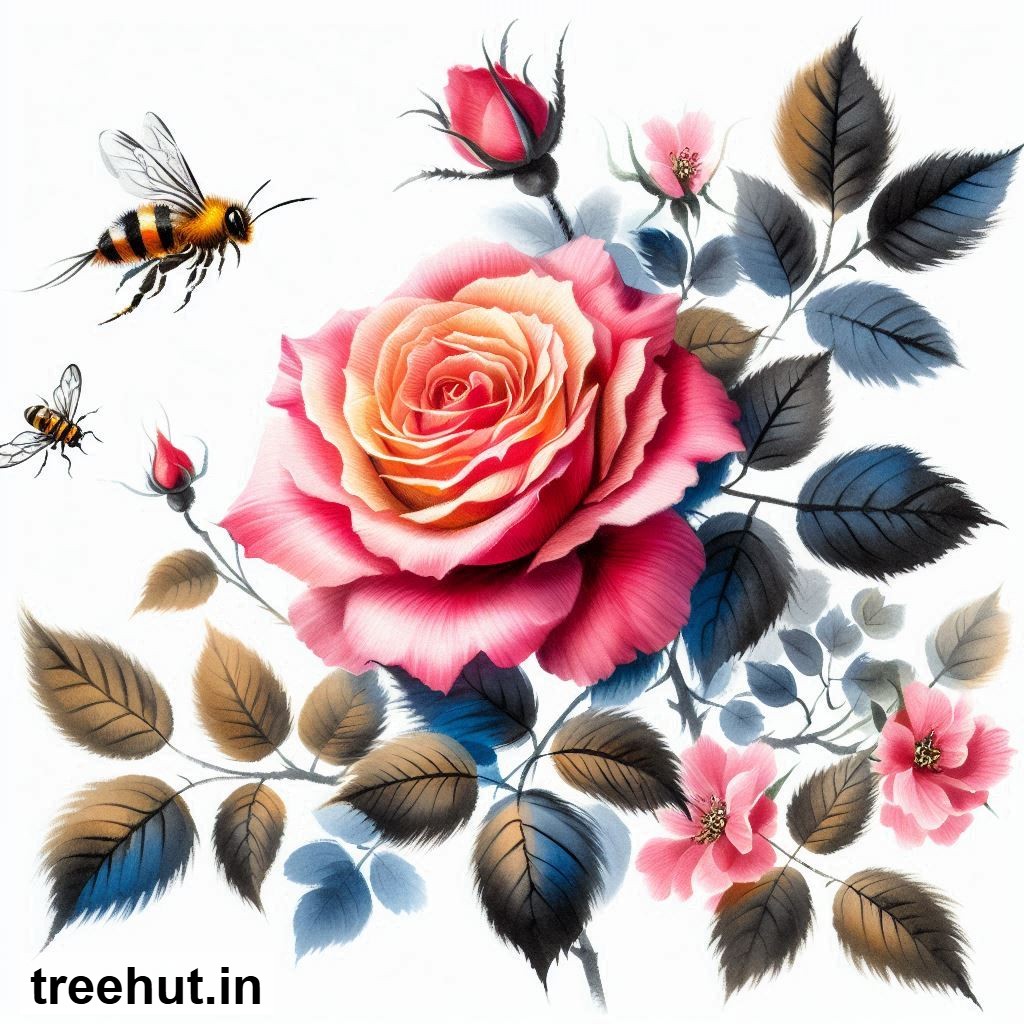
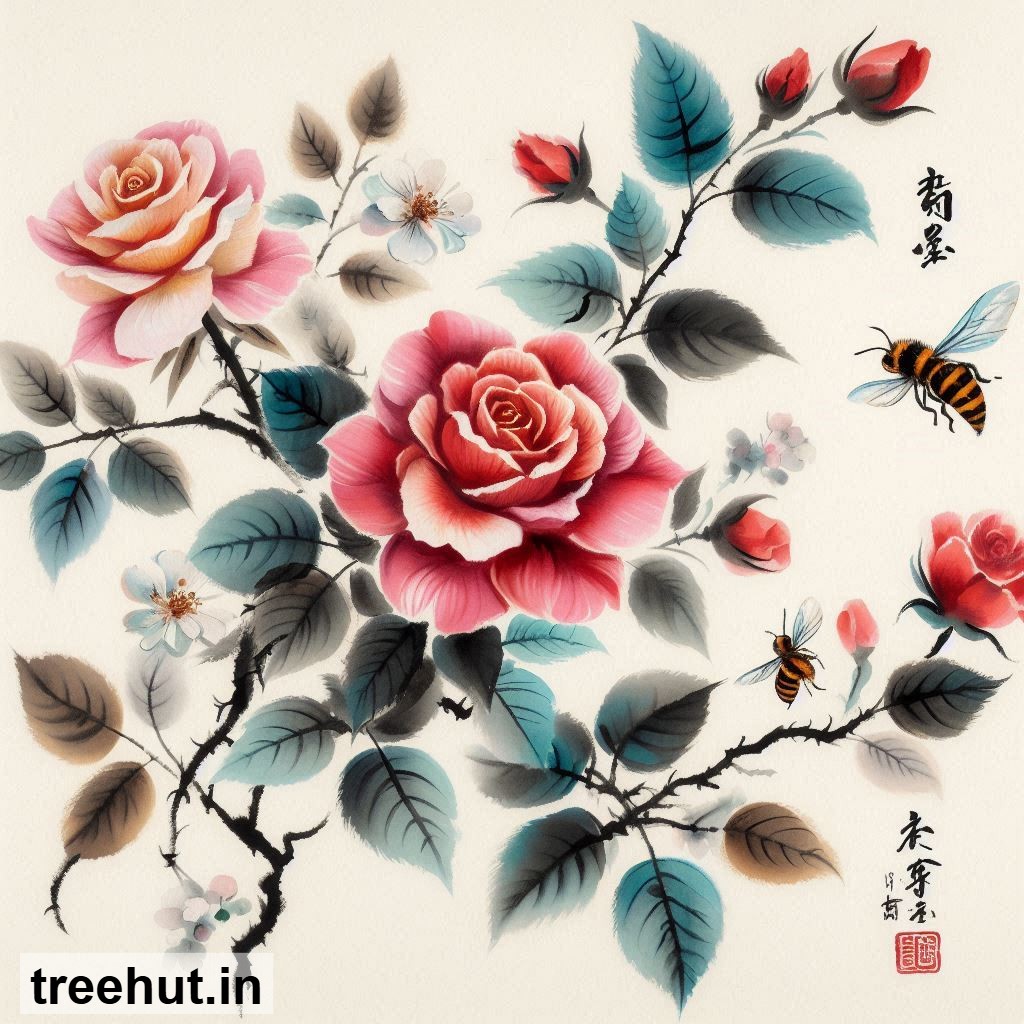
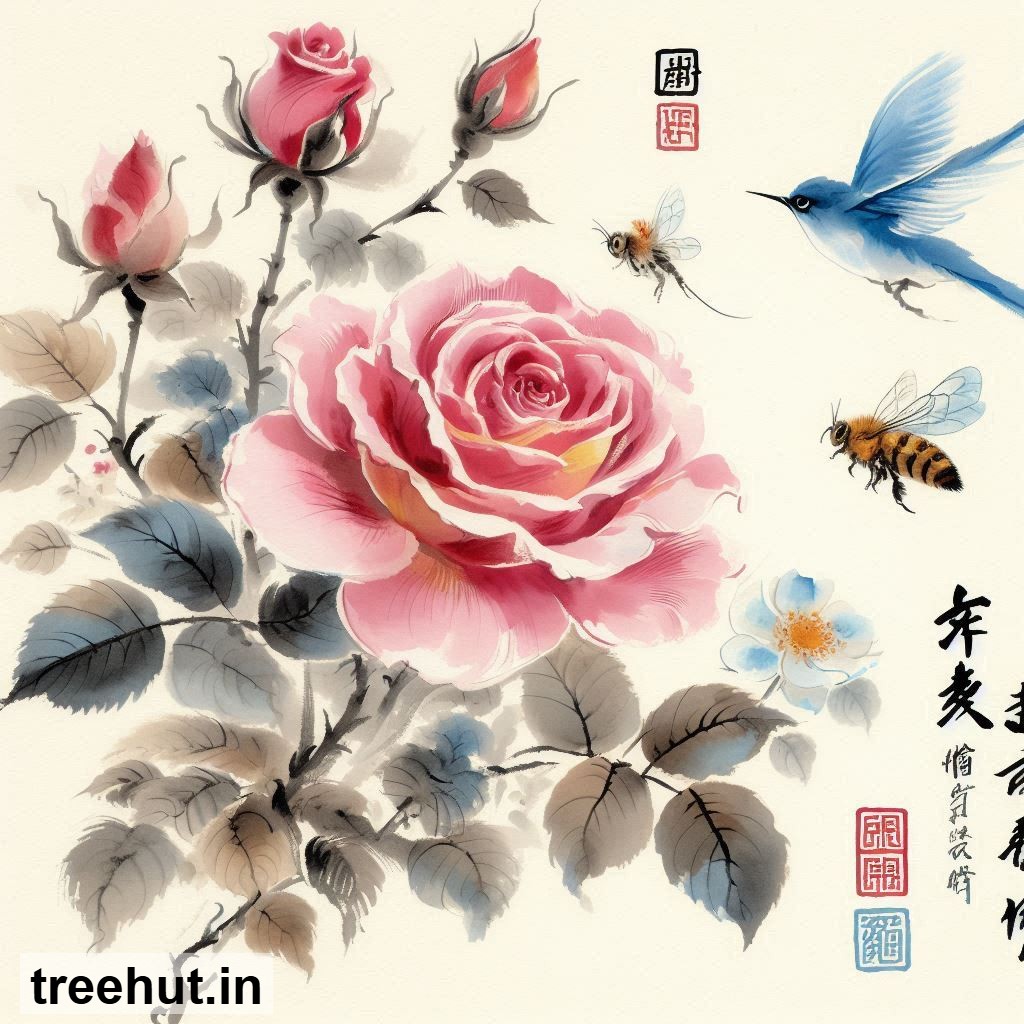
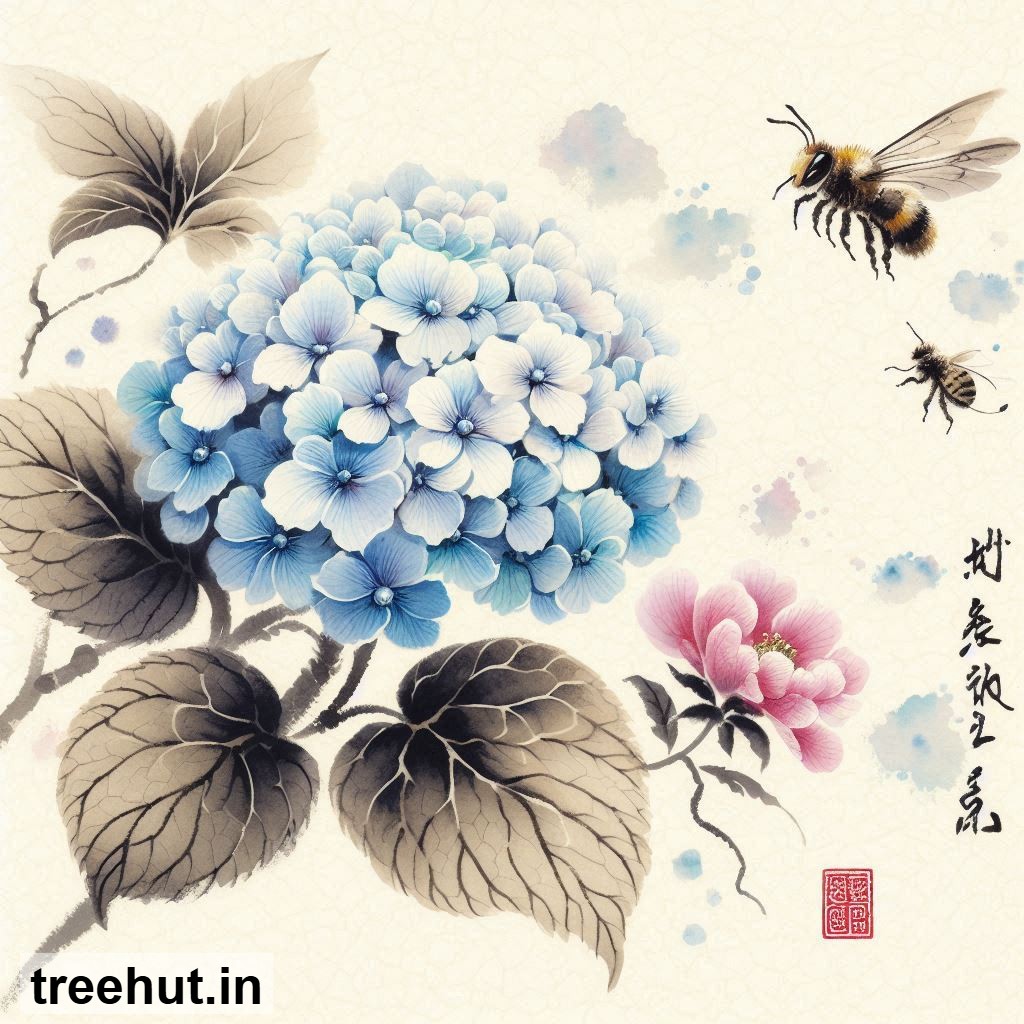
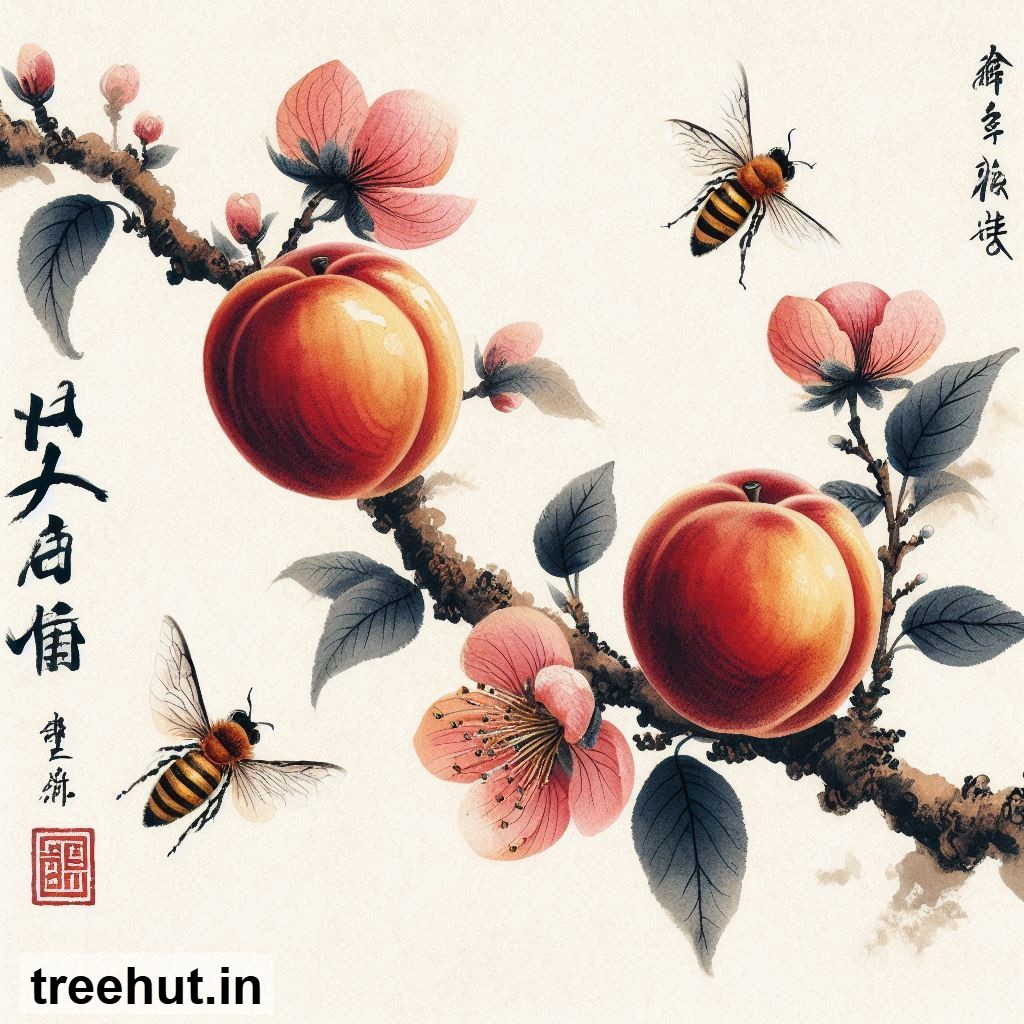
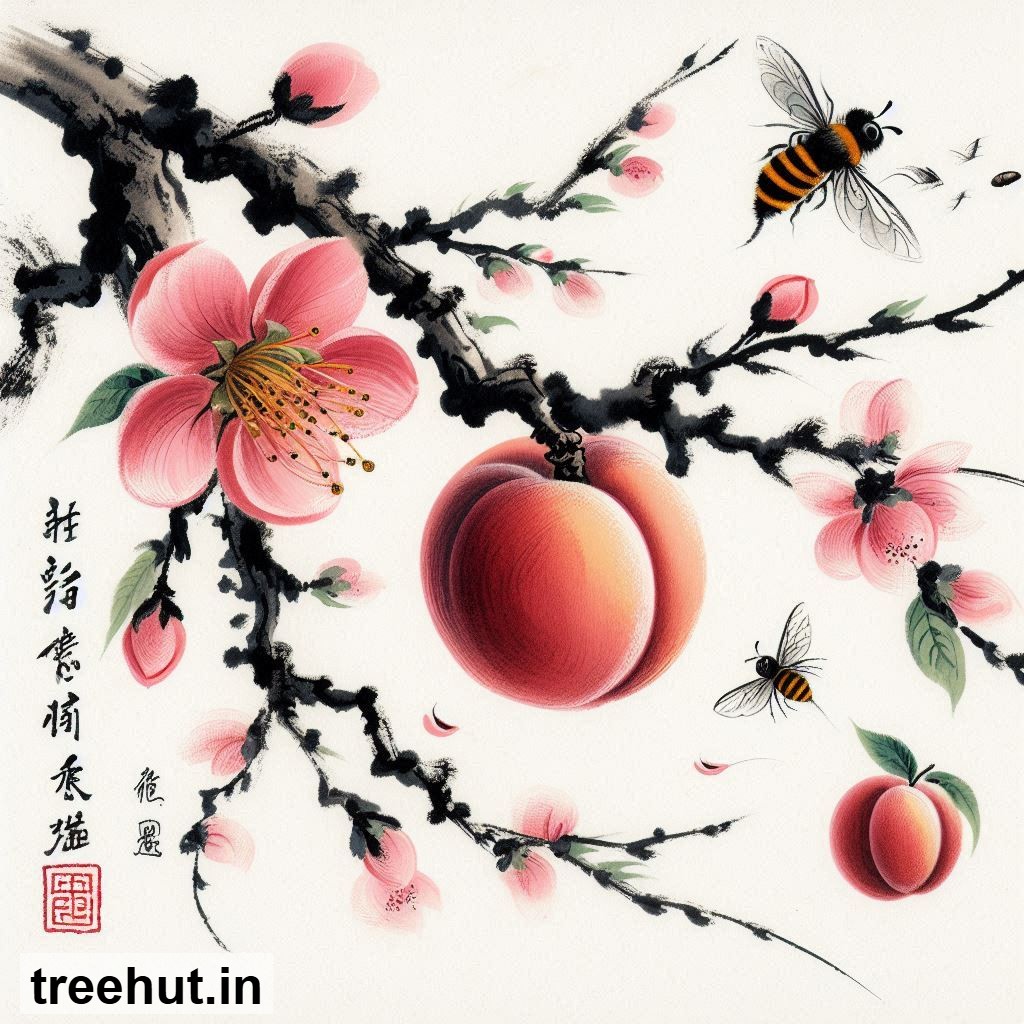
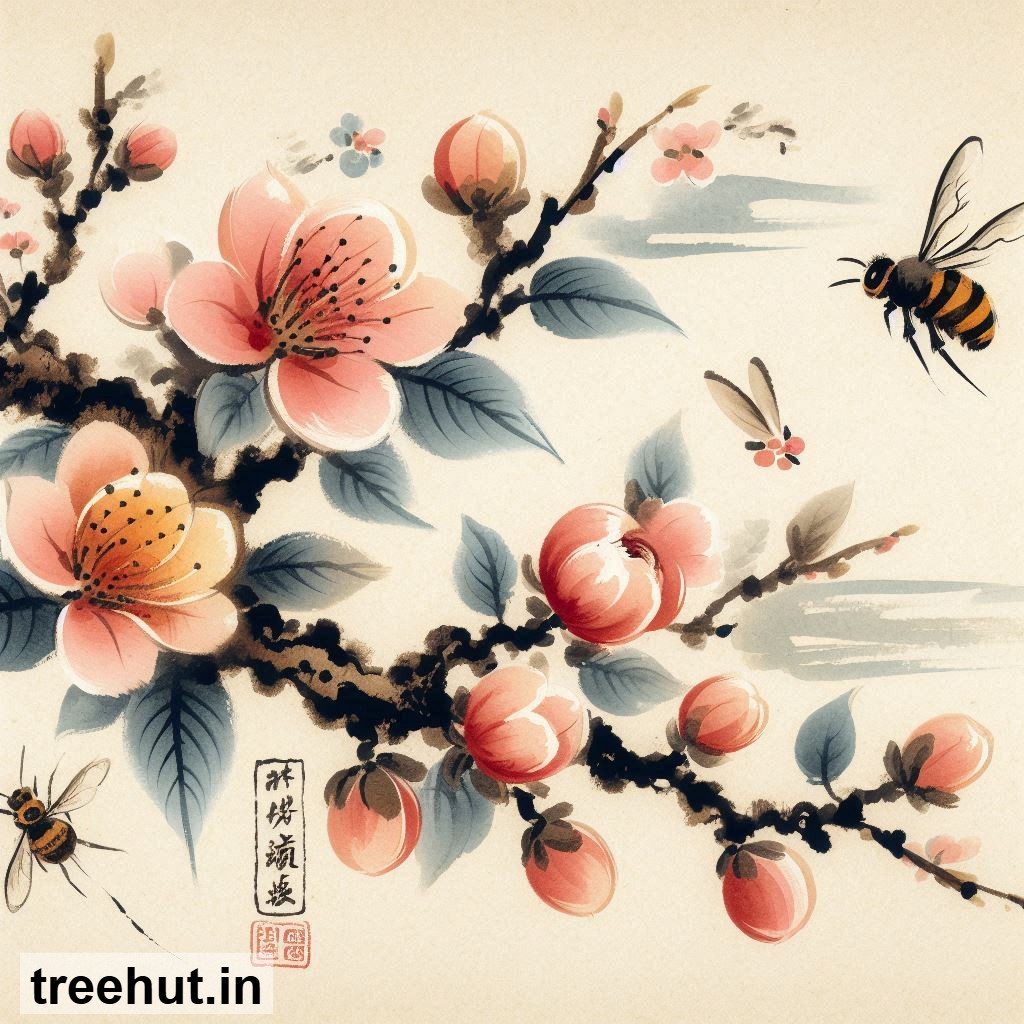
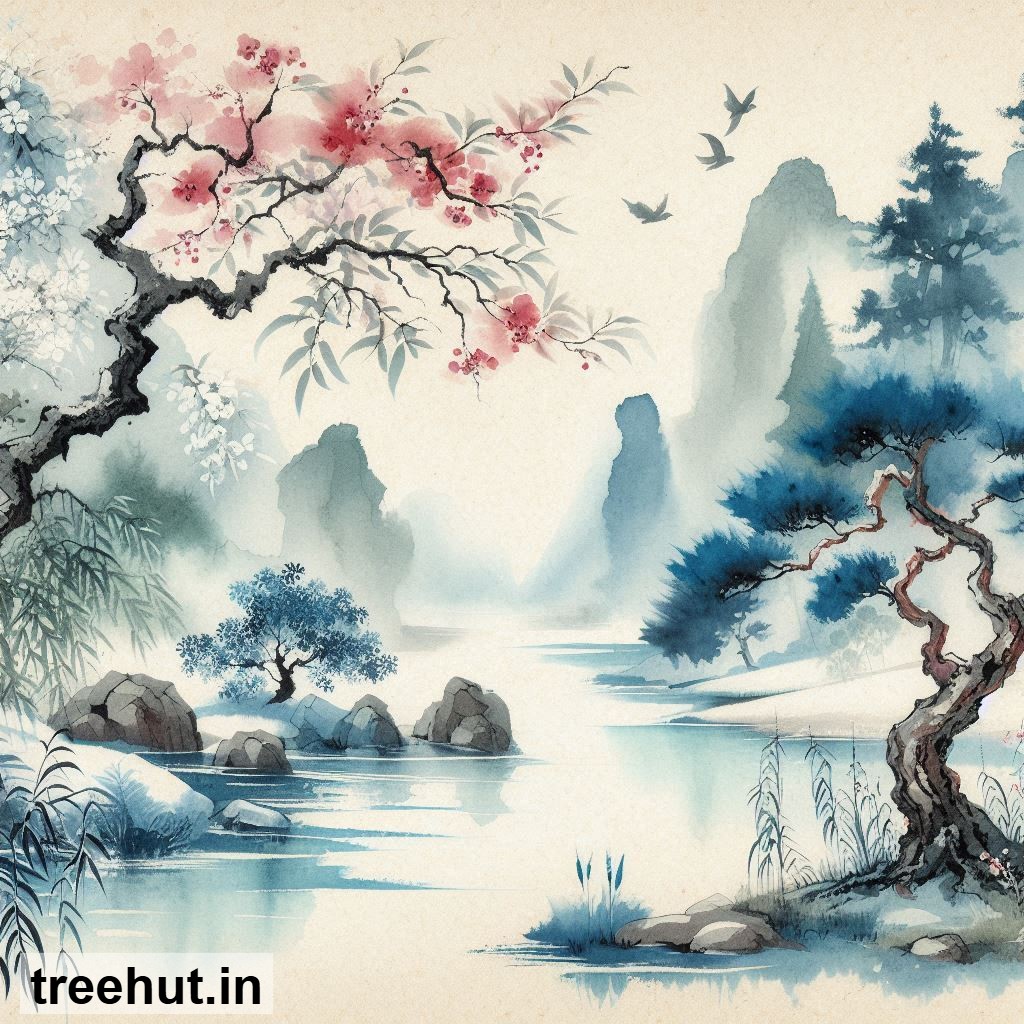
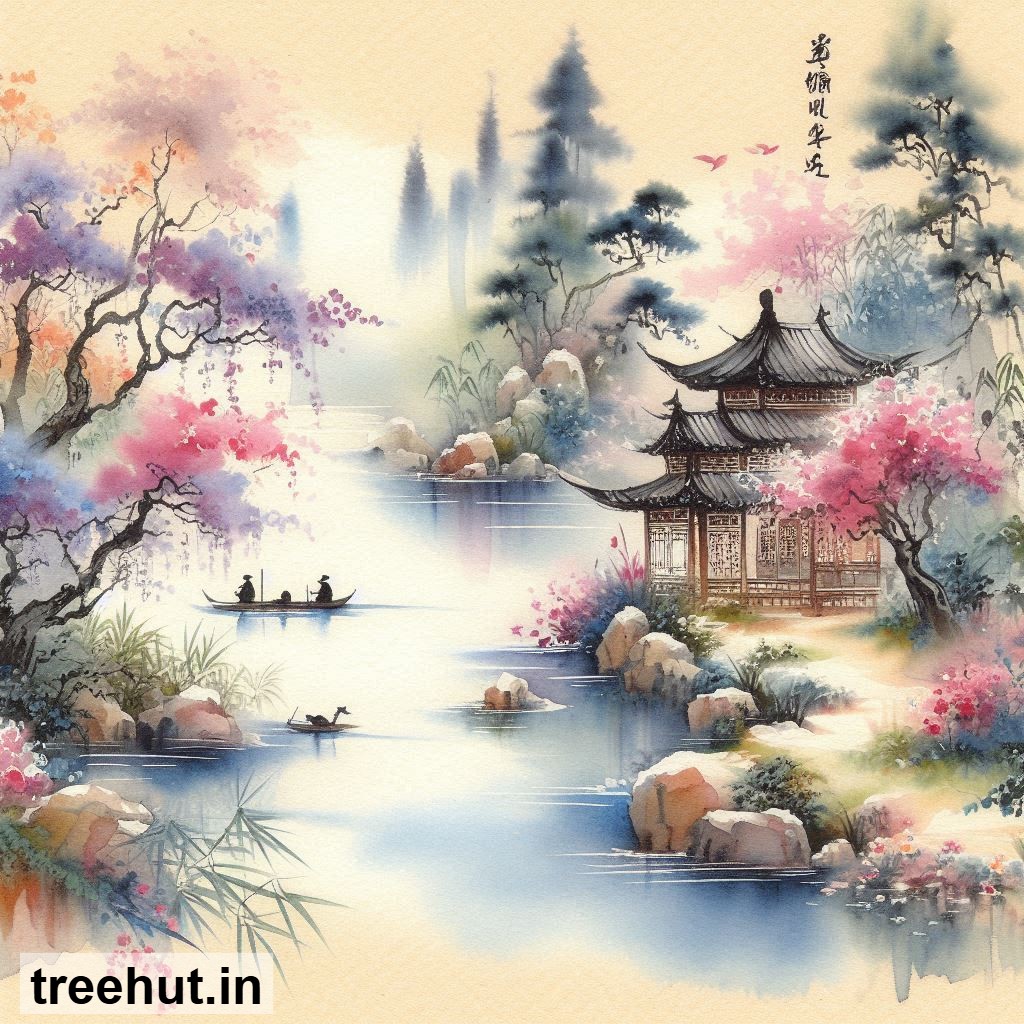
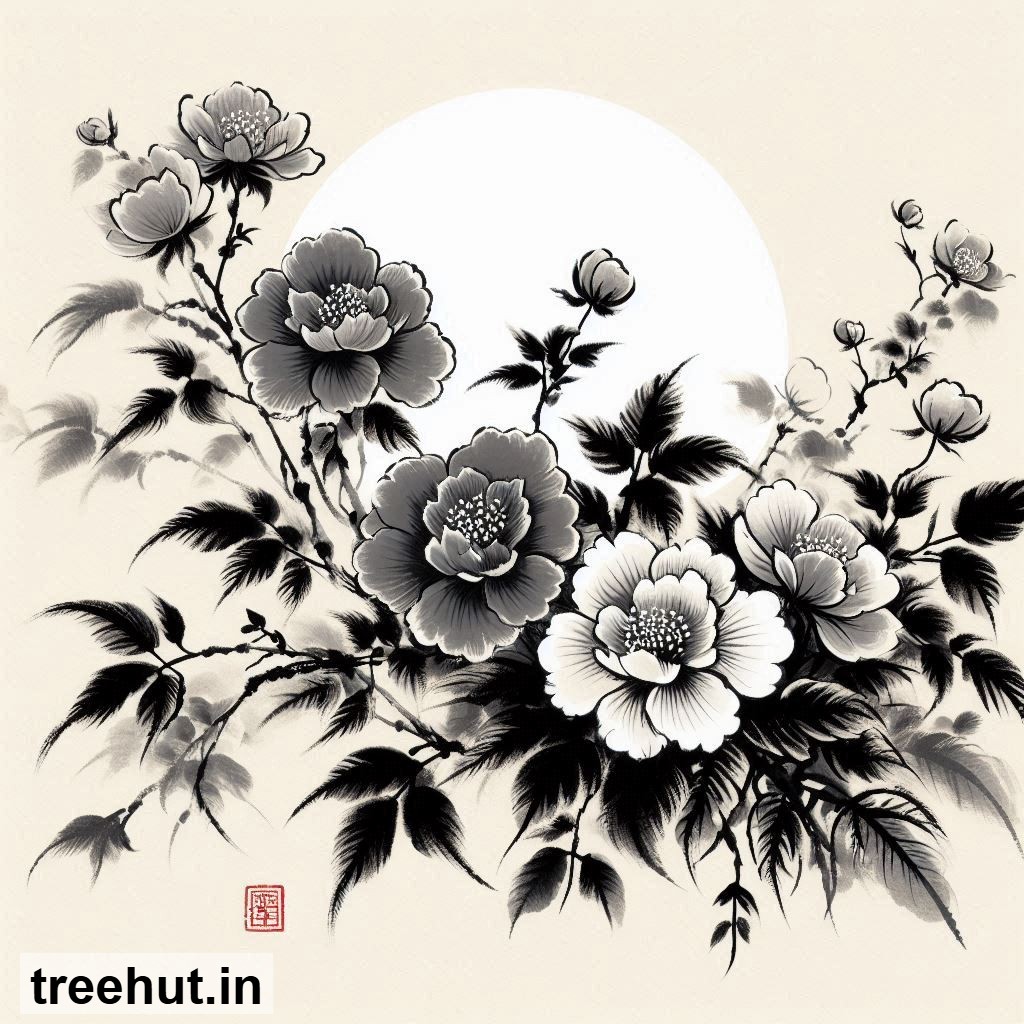
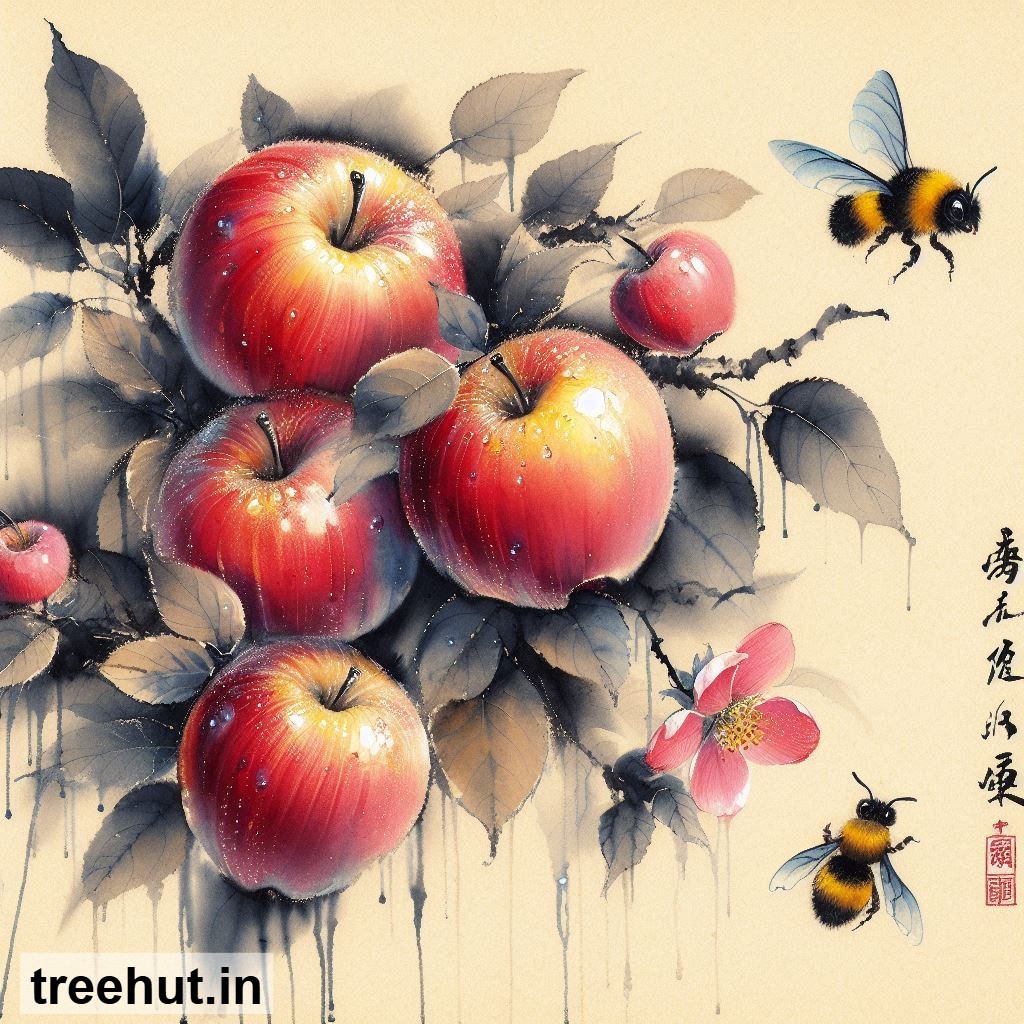
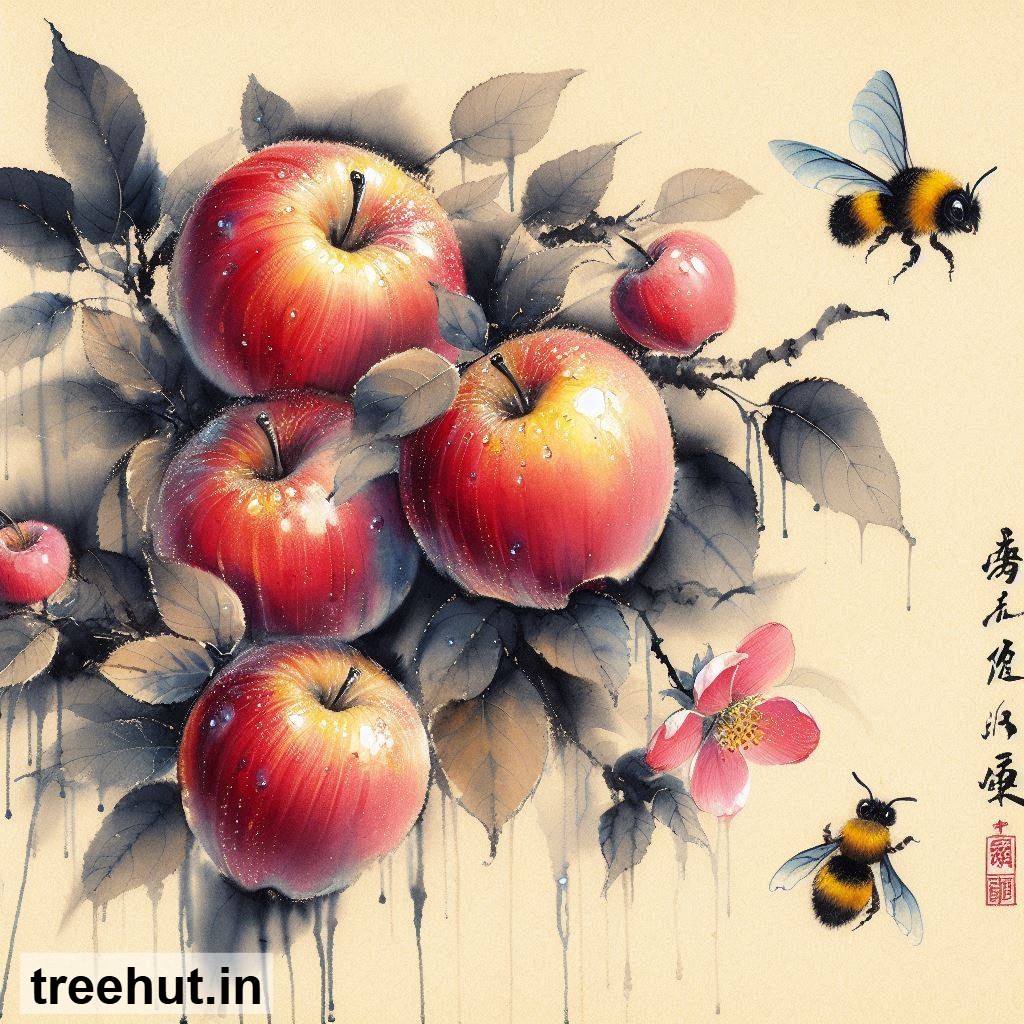
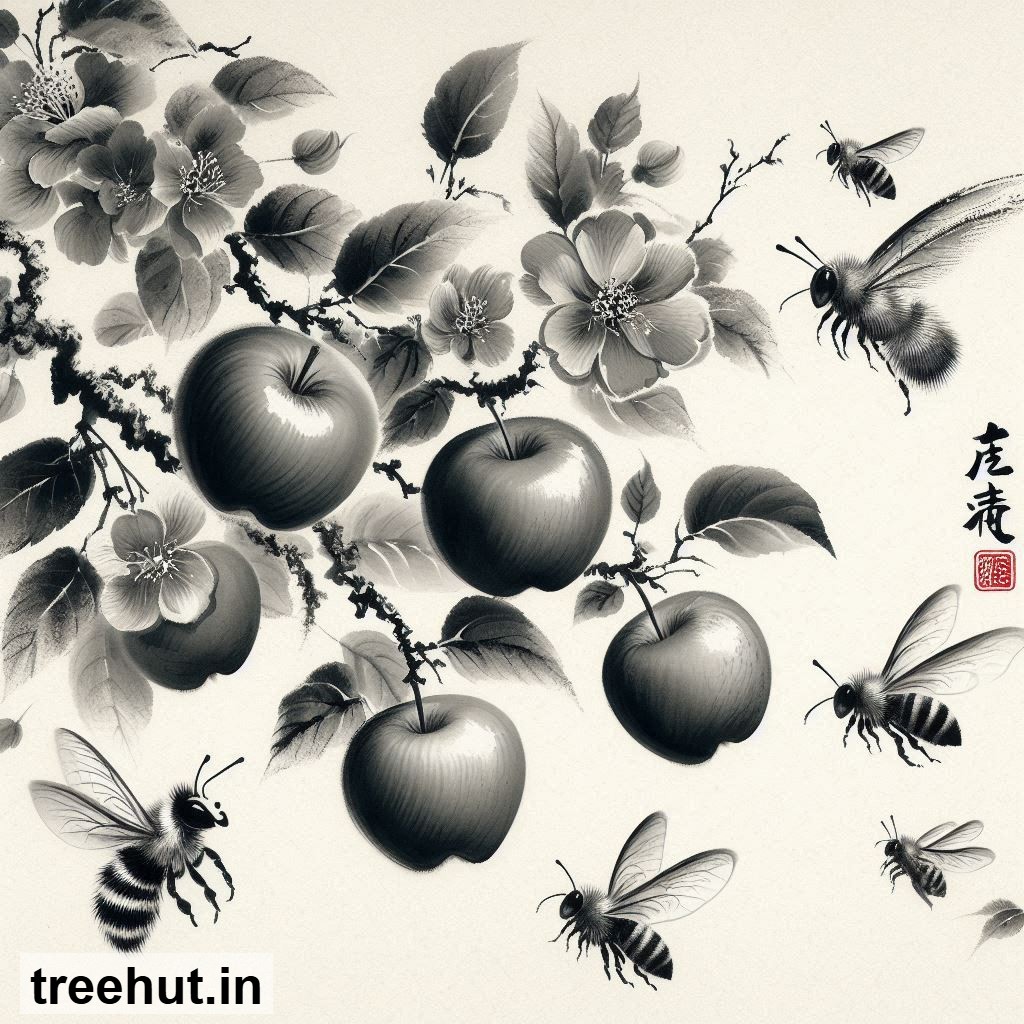
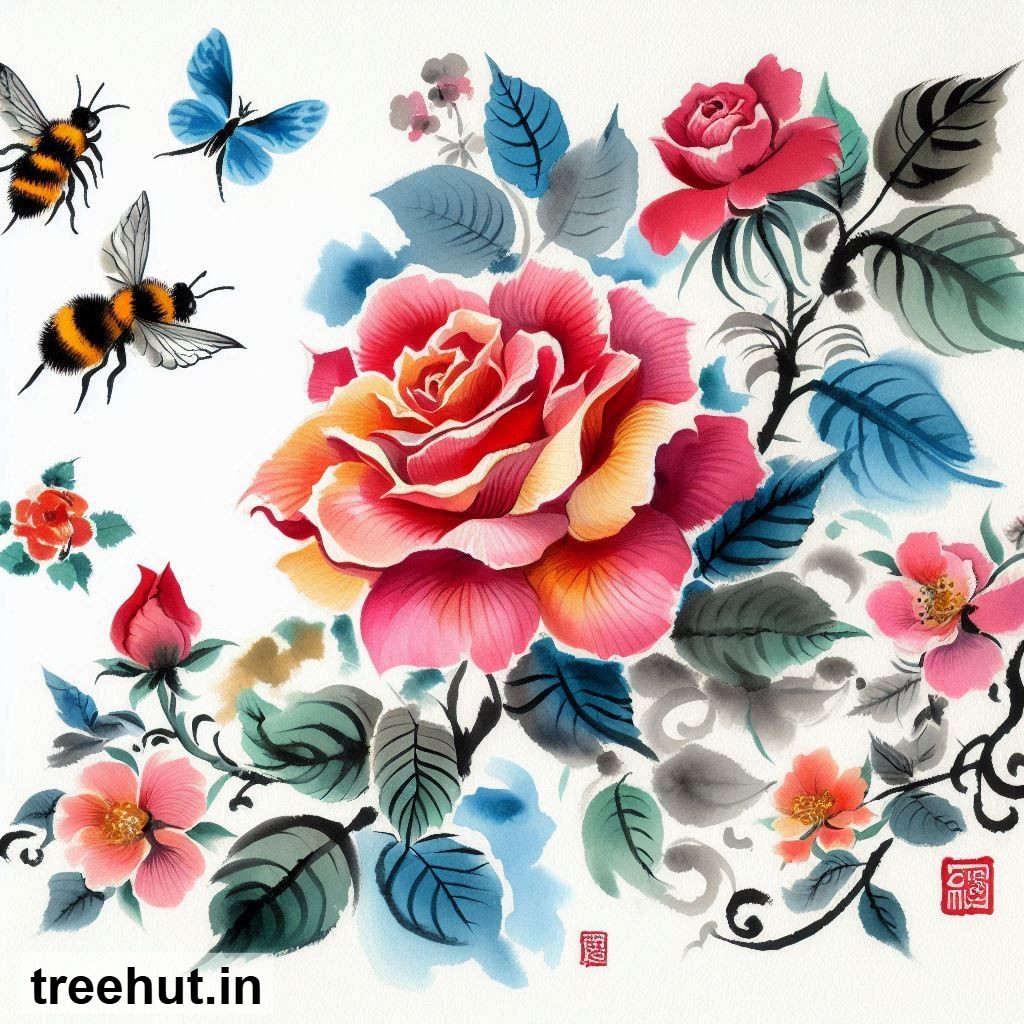
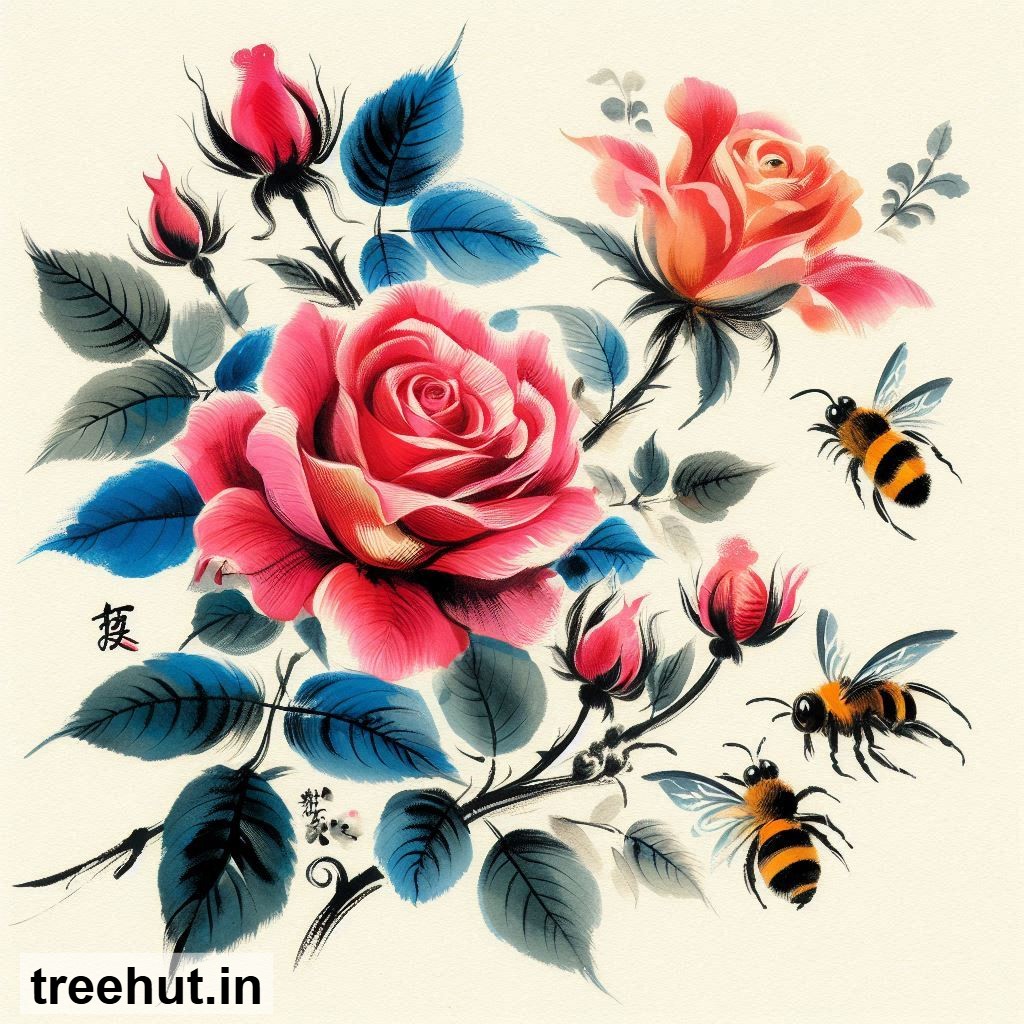
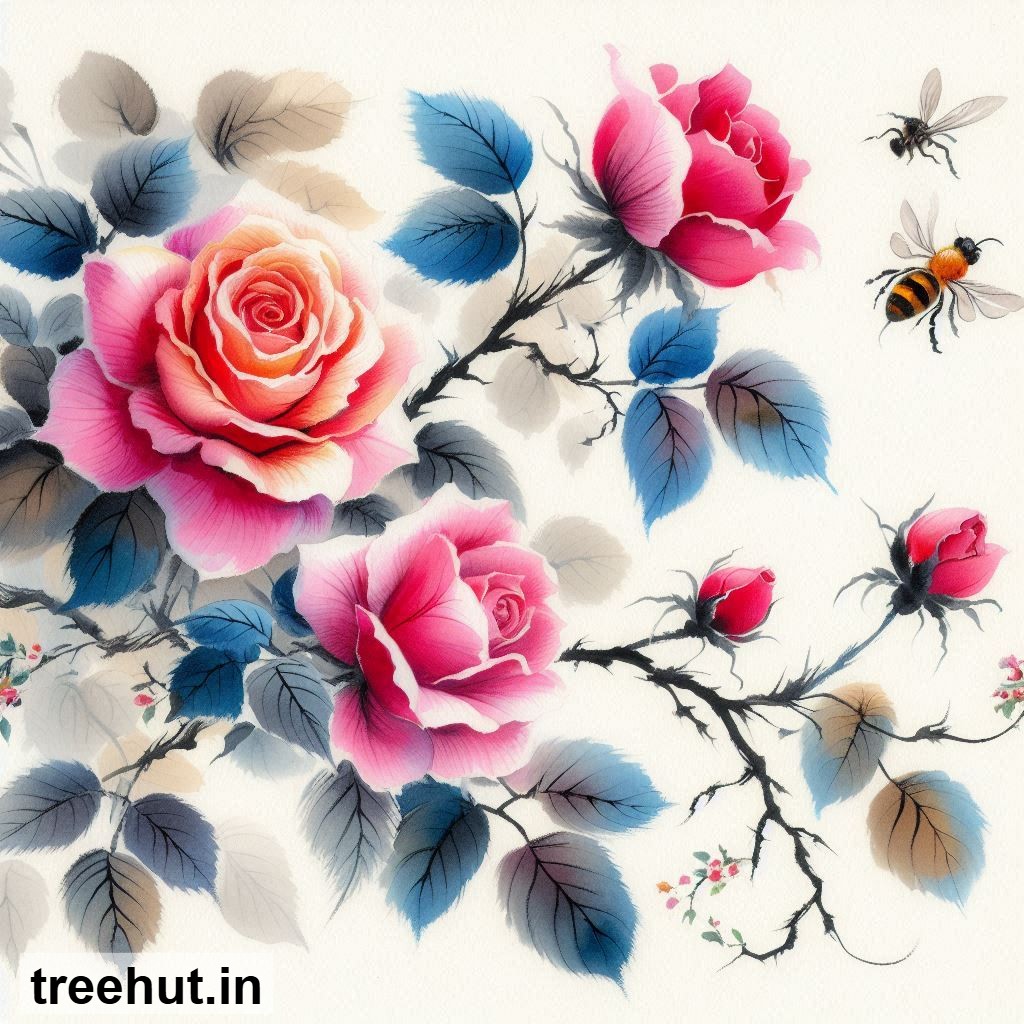
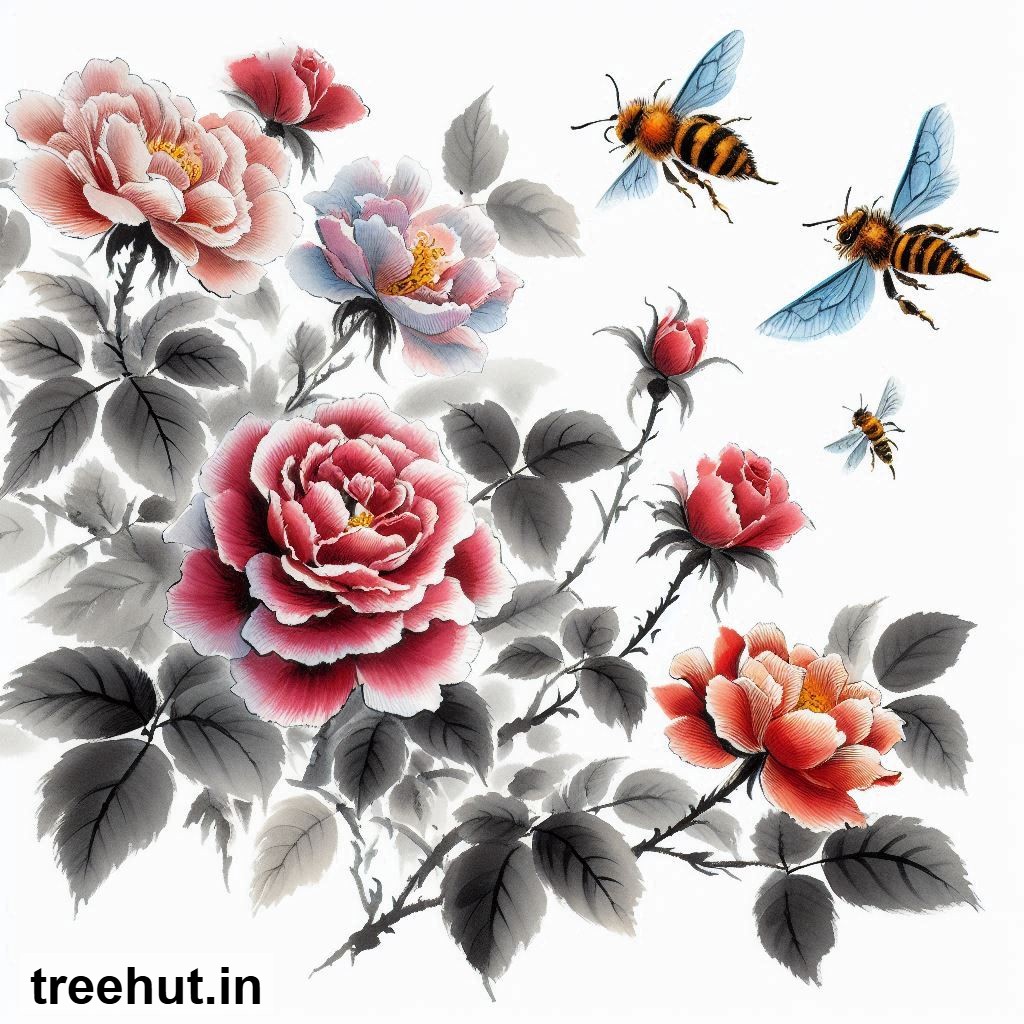
Mountain and Water (Shan Shui) Painting: Focuses on stylized landscapes with towering mountains, rivers, mist, and layered depth. Brushstrokes vary from bold textured outlines to soft washes, capturing natural harmony. Use monochrome ink or subtle mineral pigments for a traditional effect.
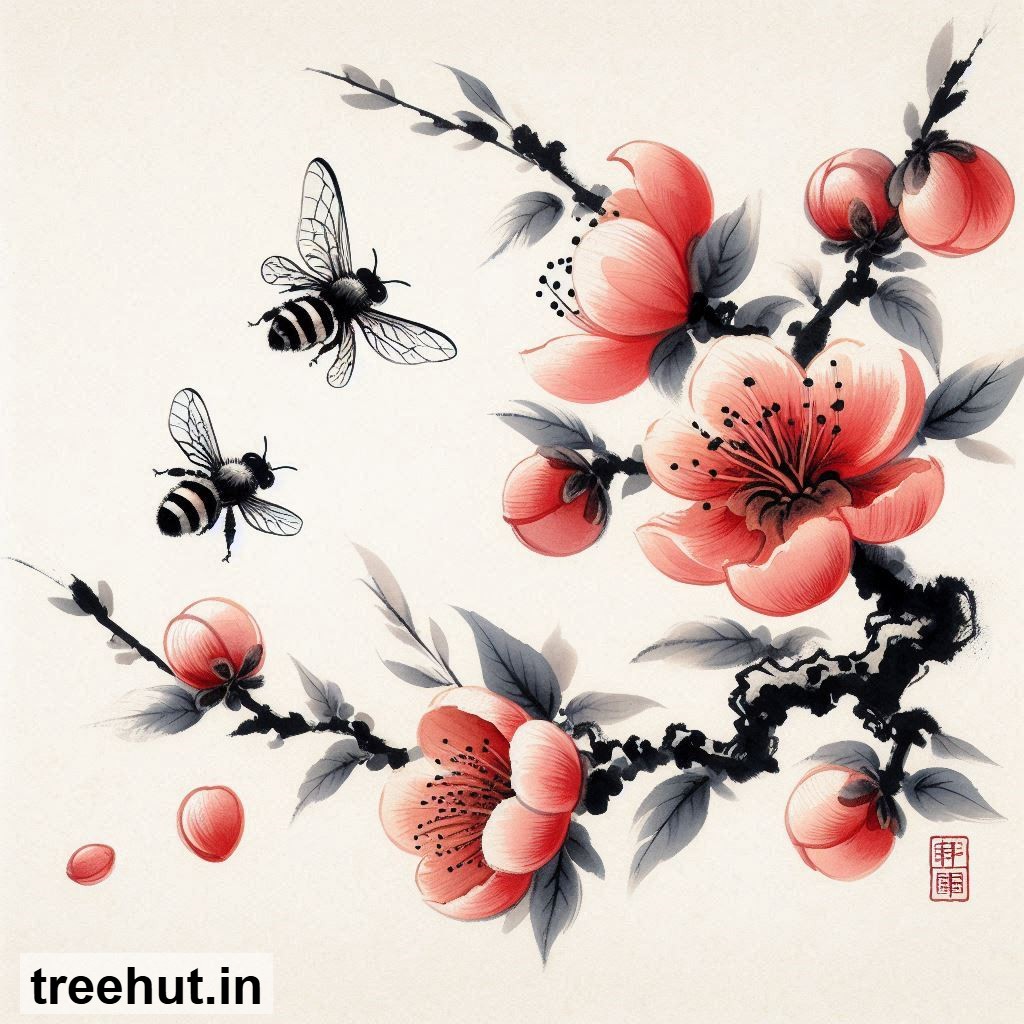
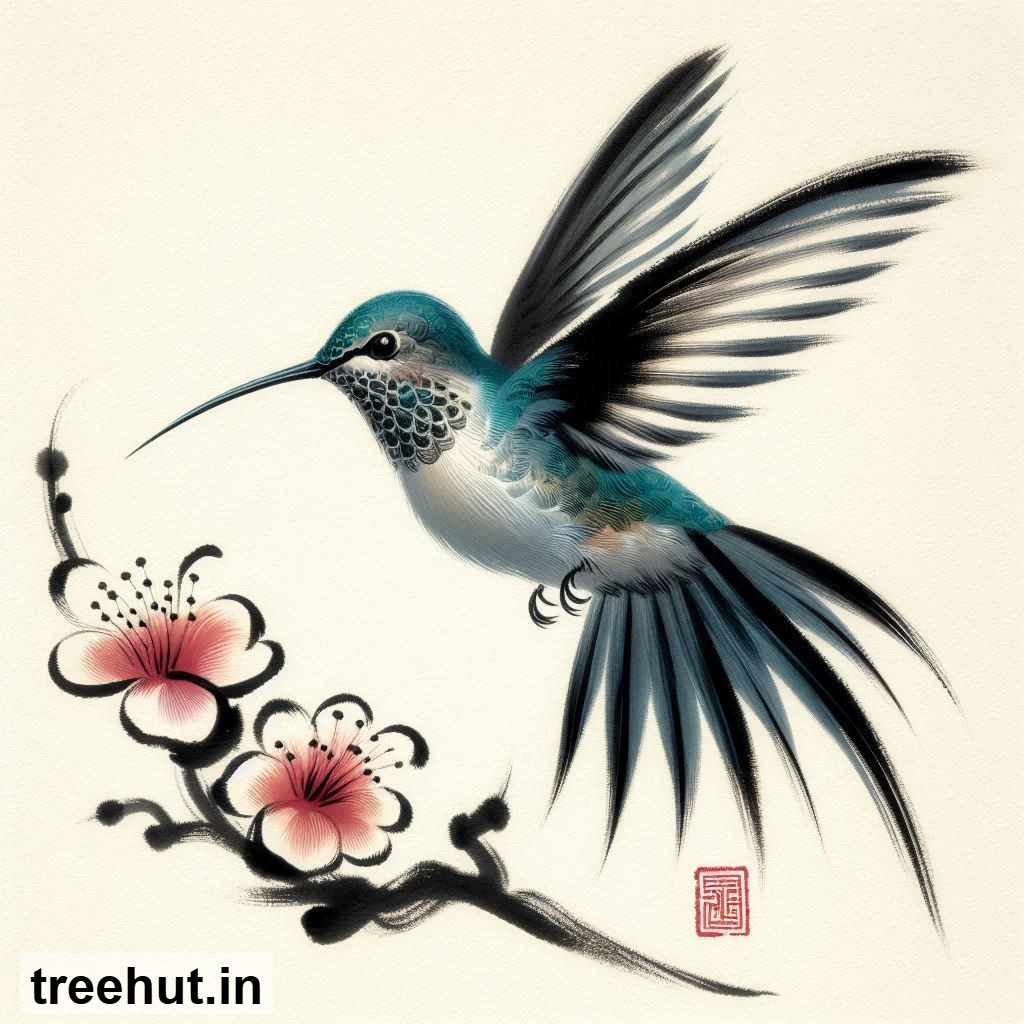
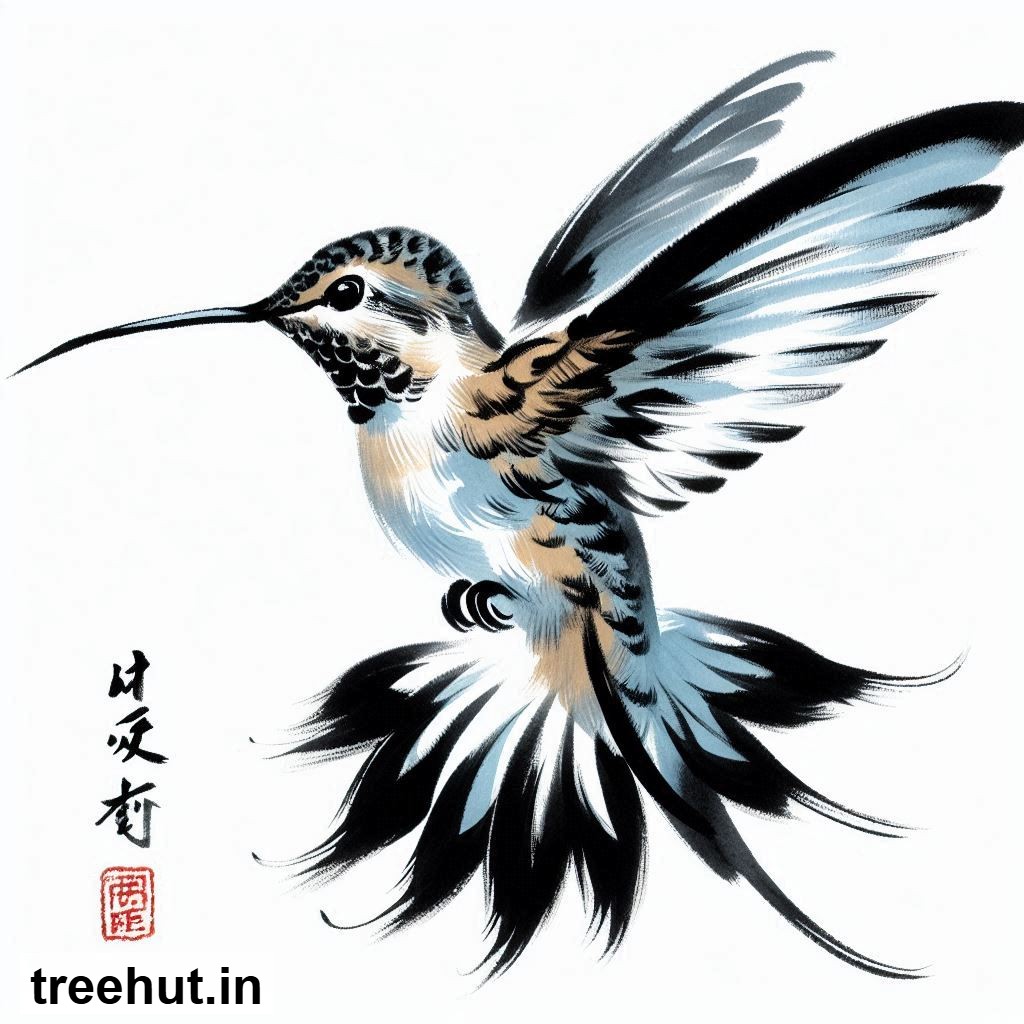
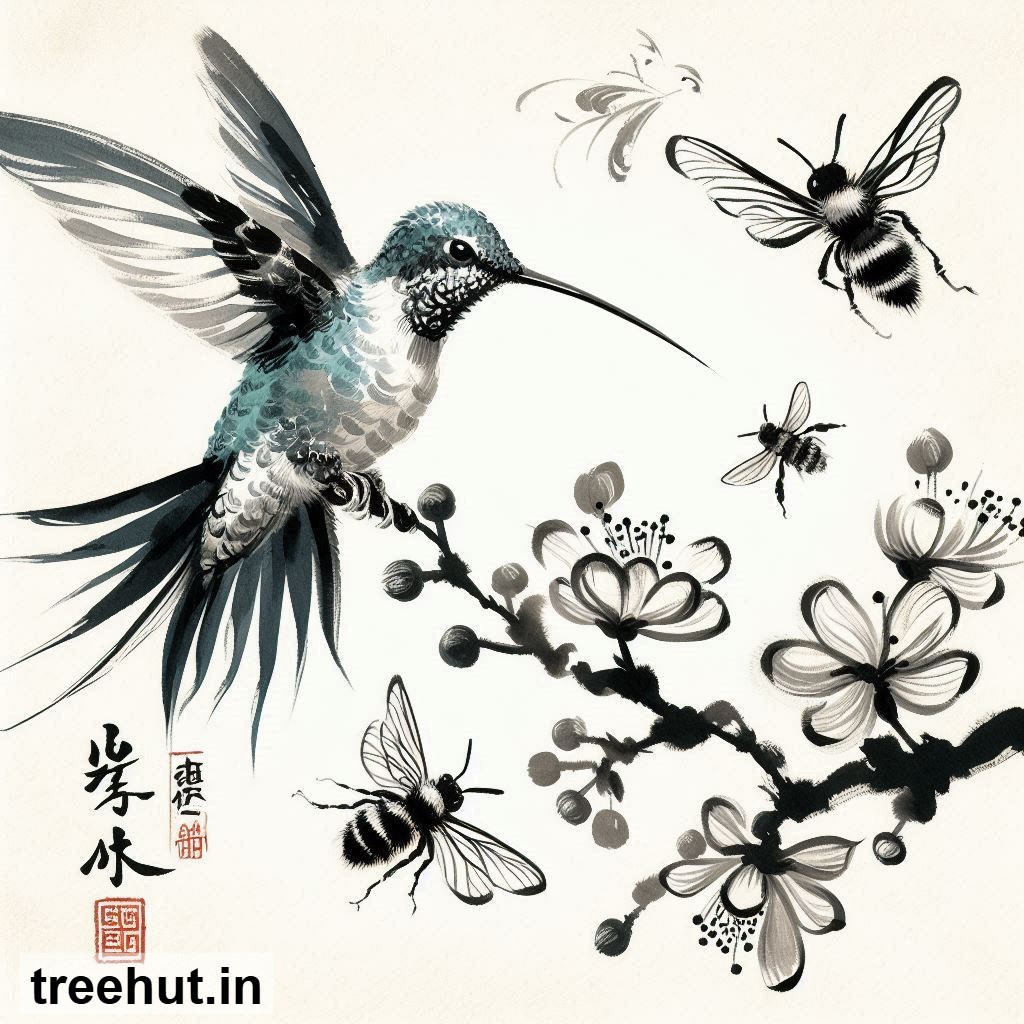
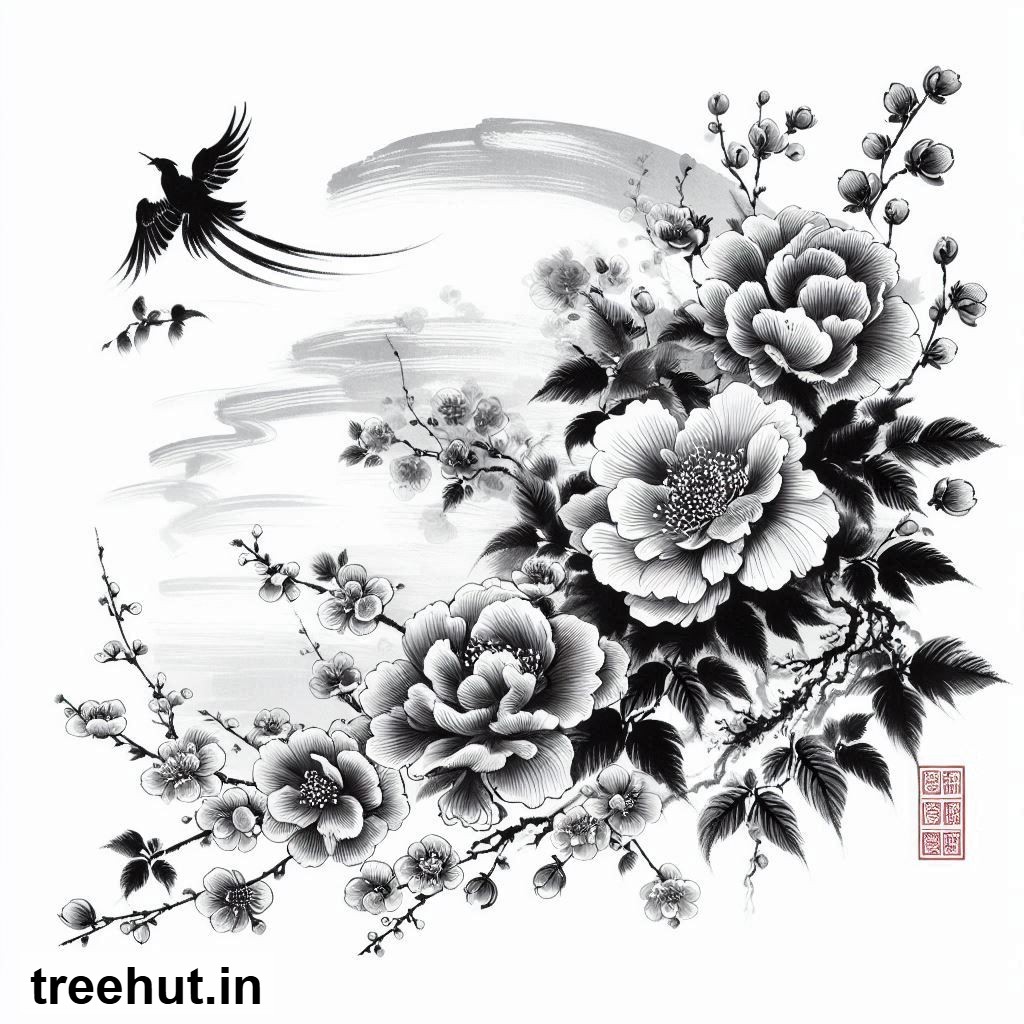
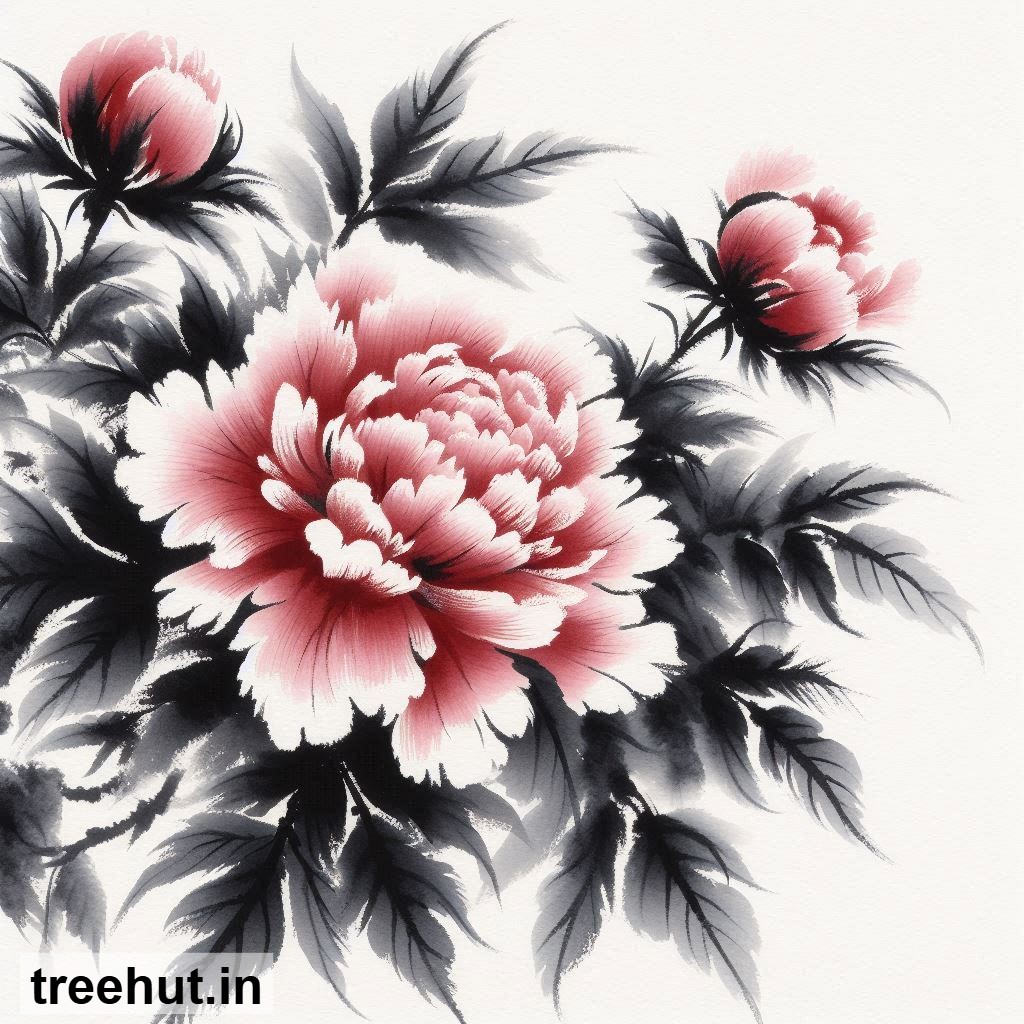
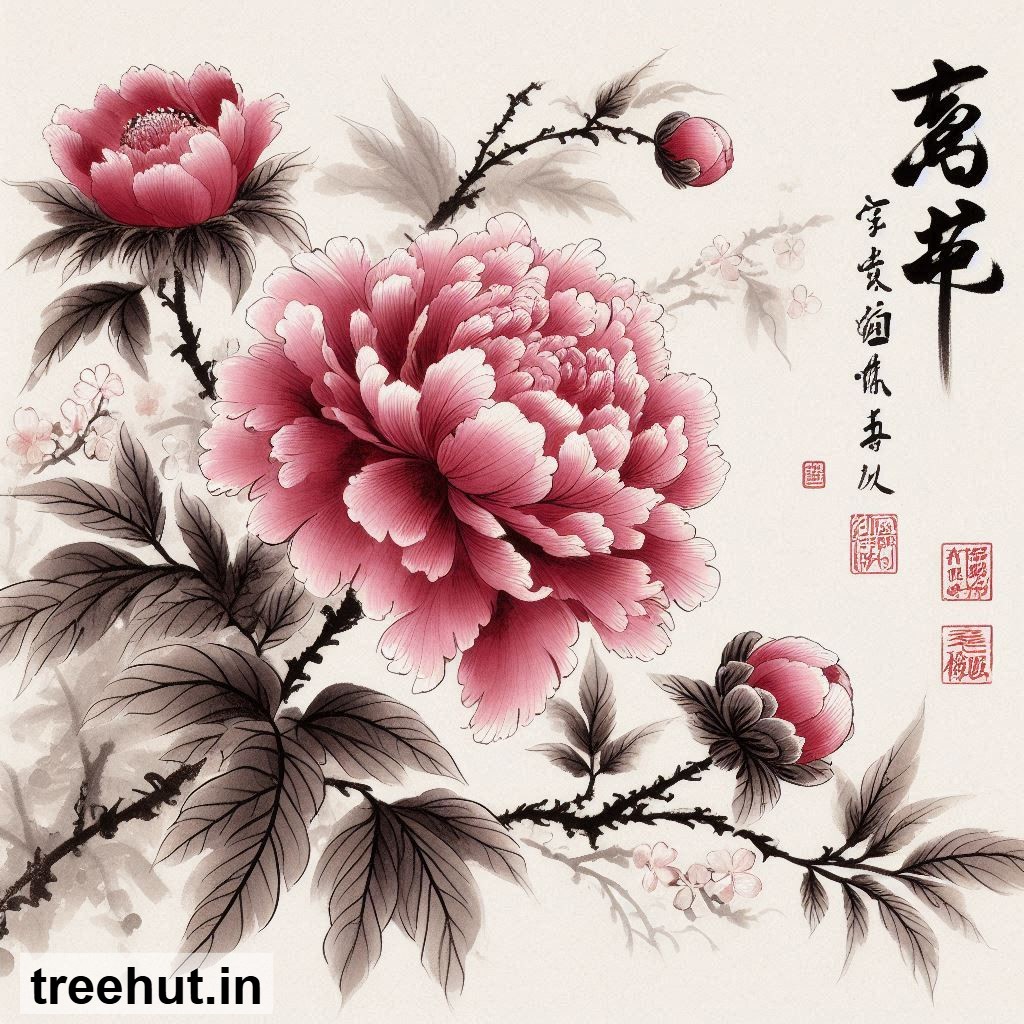
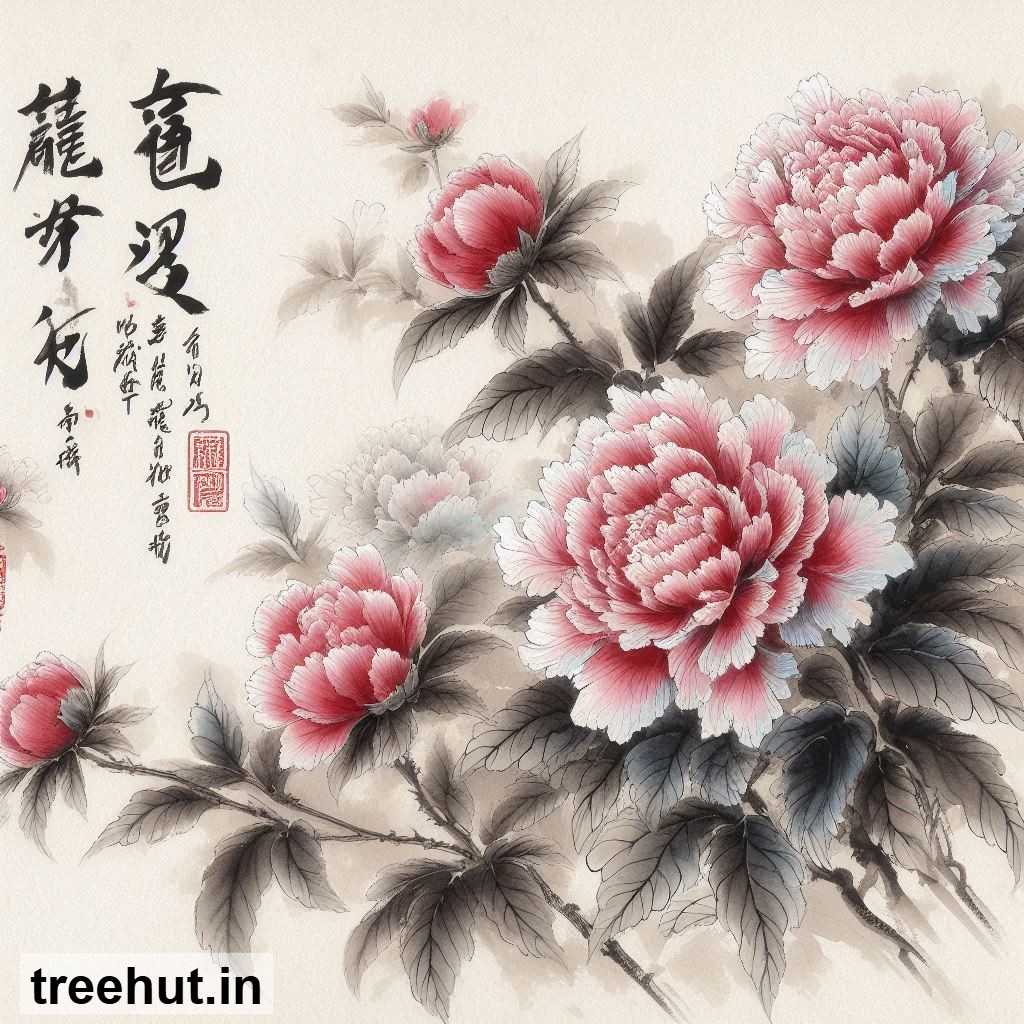
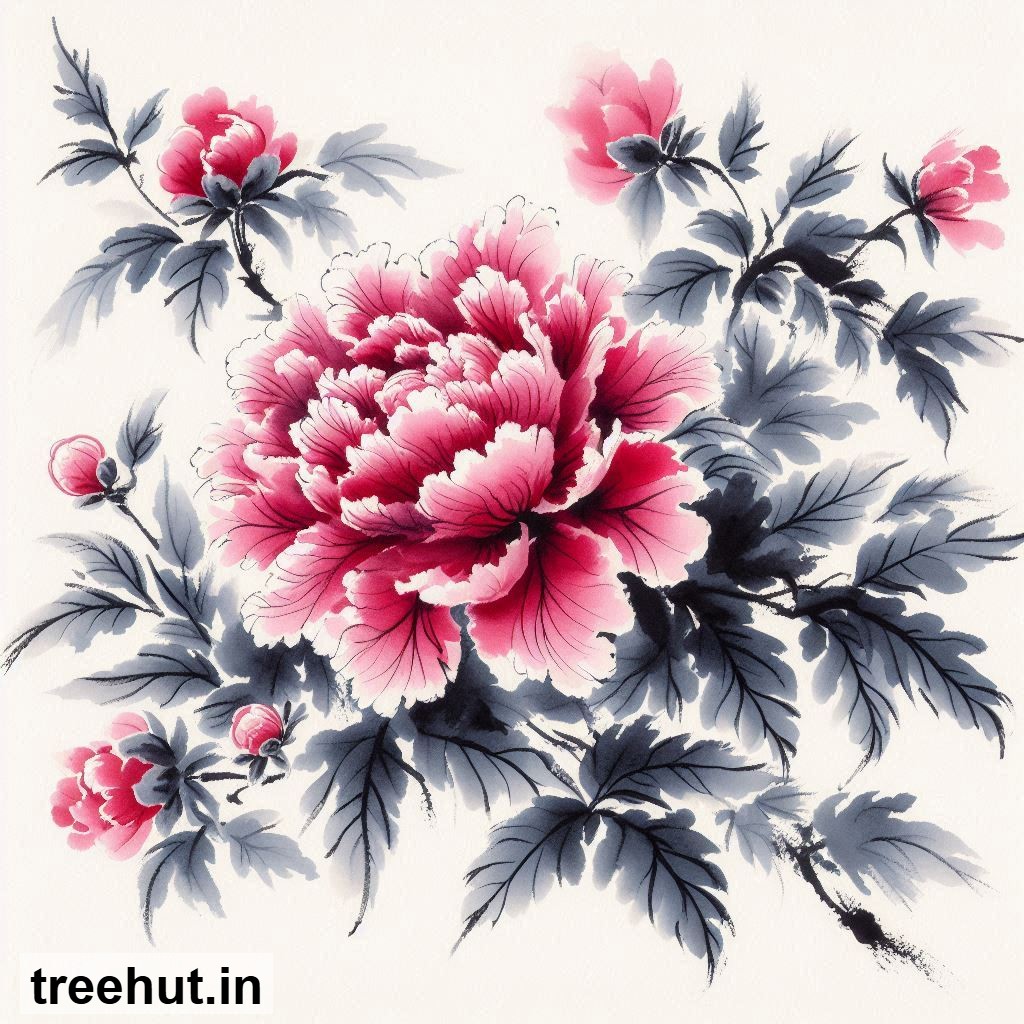
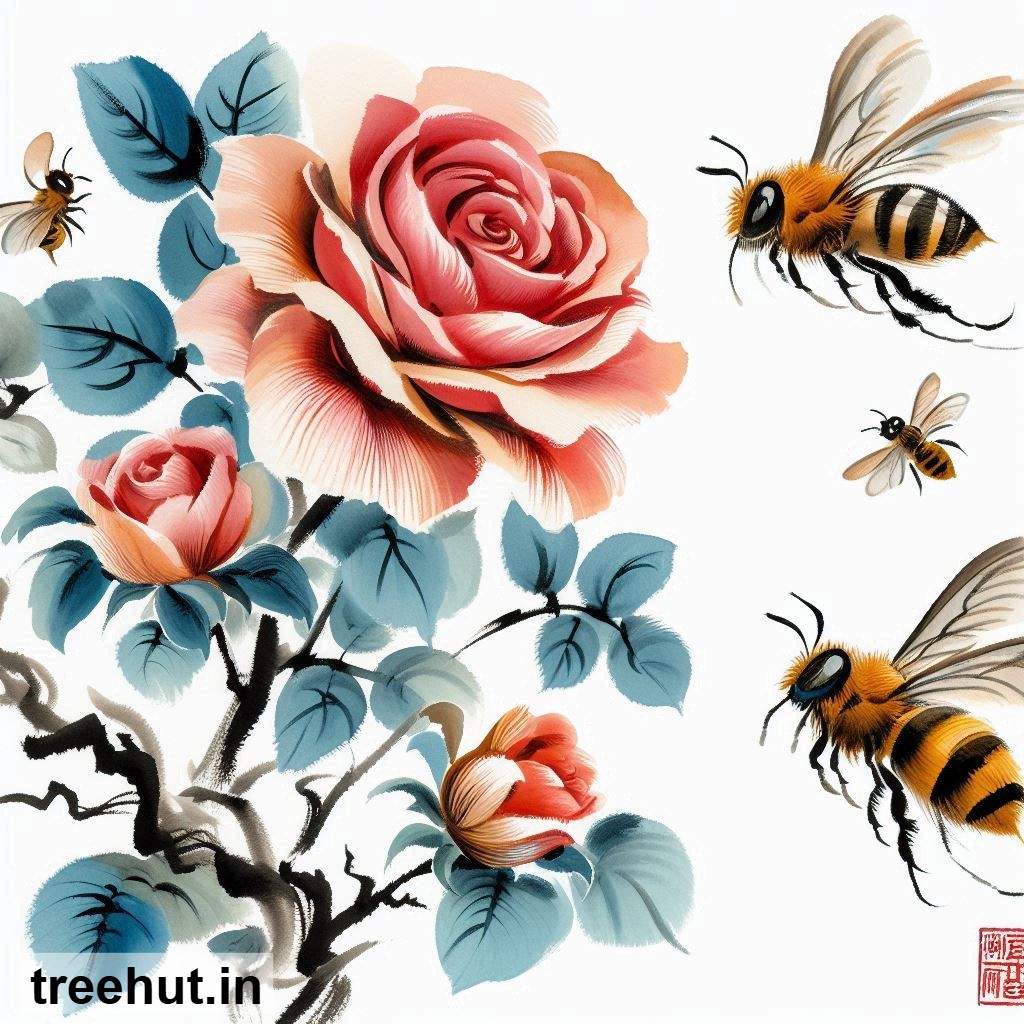
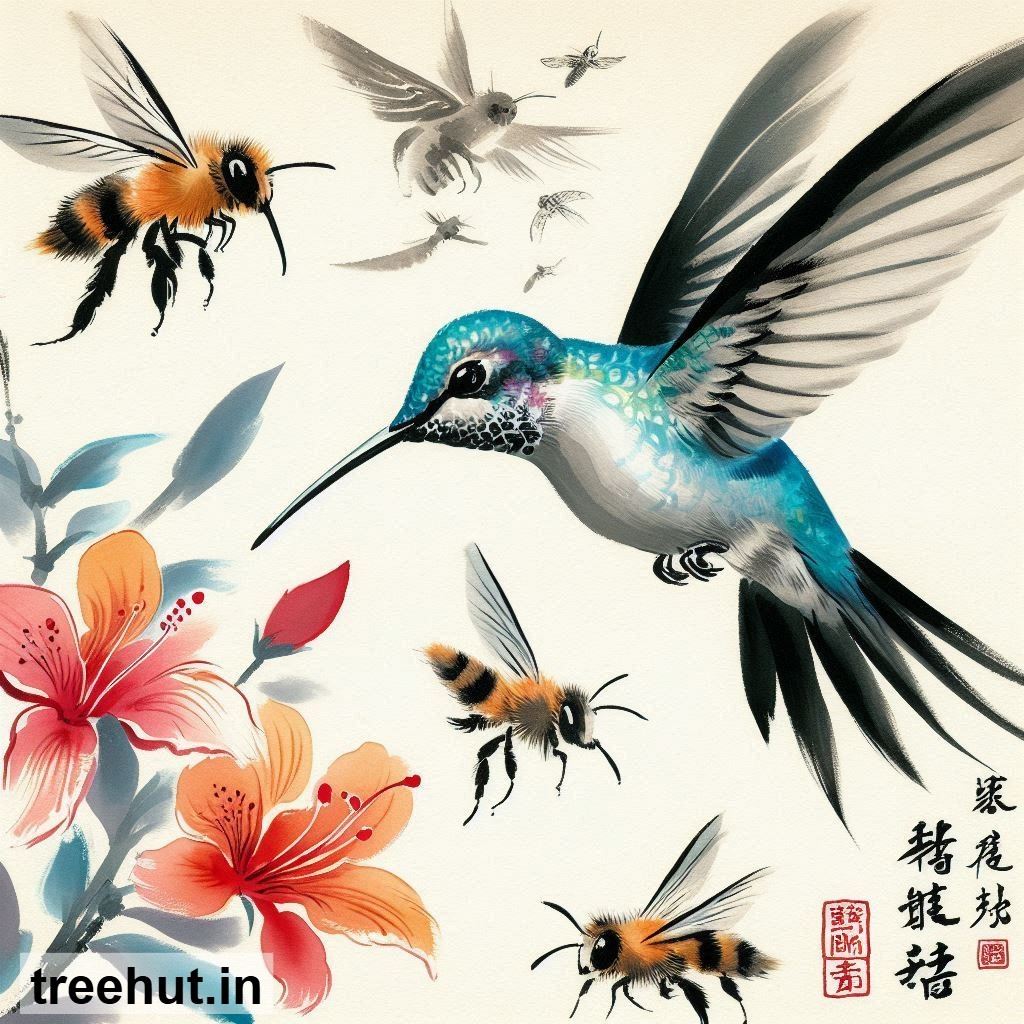
Bird-and-Flower (Hua Niao) Composition: Depicts seasonal blossoms like plum, peony, or chrysanthemum alongside birds such as magpies, cranes, or kingfishers. These pairings are symbolic—like plum and sparrow for resilience. Precision in detail with expressive brushwork is key.
Bamboo and Rock Study: Combines bamboo stalks (symbolizing integrity) with rugged scholar’s rocks. Paint the bamboo with fluid, confident strokes; contrast with dry-brushed texture for the rock. This subject is often used in literati painting to express inner character.
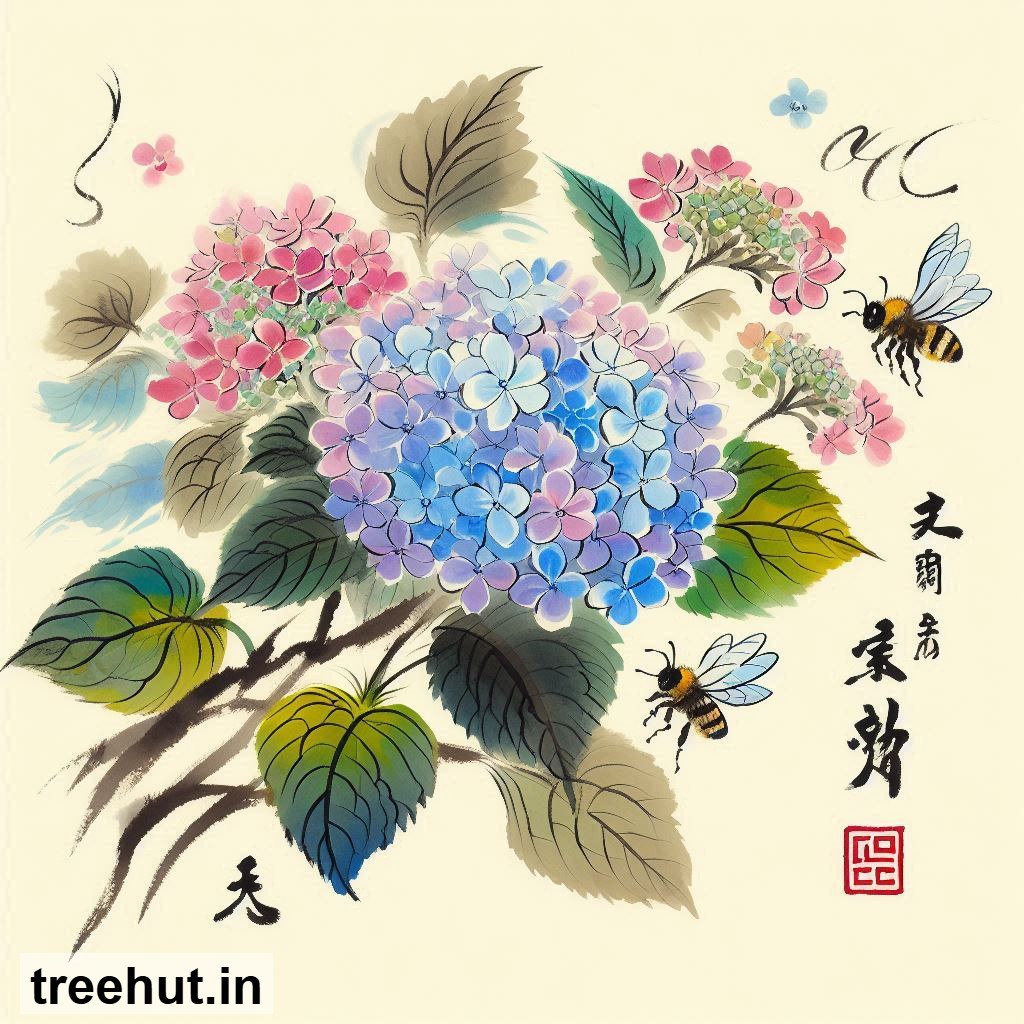
Calligraphic Integration: Incorporate poetry or proverbs in elegant Chinese calligraphy alongside the painting. Placement, script style, and brush rhythm must balance the visual composition and reinforce its meaning.
Monochrome Ink Wash: Use varying ink dilution to create tonal depth in a minimalist scene—such as a single tree, a fisherman’s boat, or distant mountains in fog. Emphasis is on negative space and emotional atmosphere.
Four Gentlemen (Si Junzi) Motifs: Paintings featuring plum blossom, orchid, bamboo, and chrysanthemum—each representing a season and a noble virtue. These are foundational subjects in Chinese brush painting, often practiced for mastering brush technique and expression of personal character.
Dragon and Phoenix Design: Often seen in traditional Chinese art, the dragon symbolizes power and yang (male energy), while the phoenix symbolizes grace and yin (female energy). Together, they represent harmony and prosperity. Use dynamic, swirling brushstrokes for the dragon and elegant, feathered strokes for the phoenix.
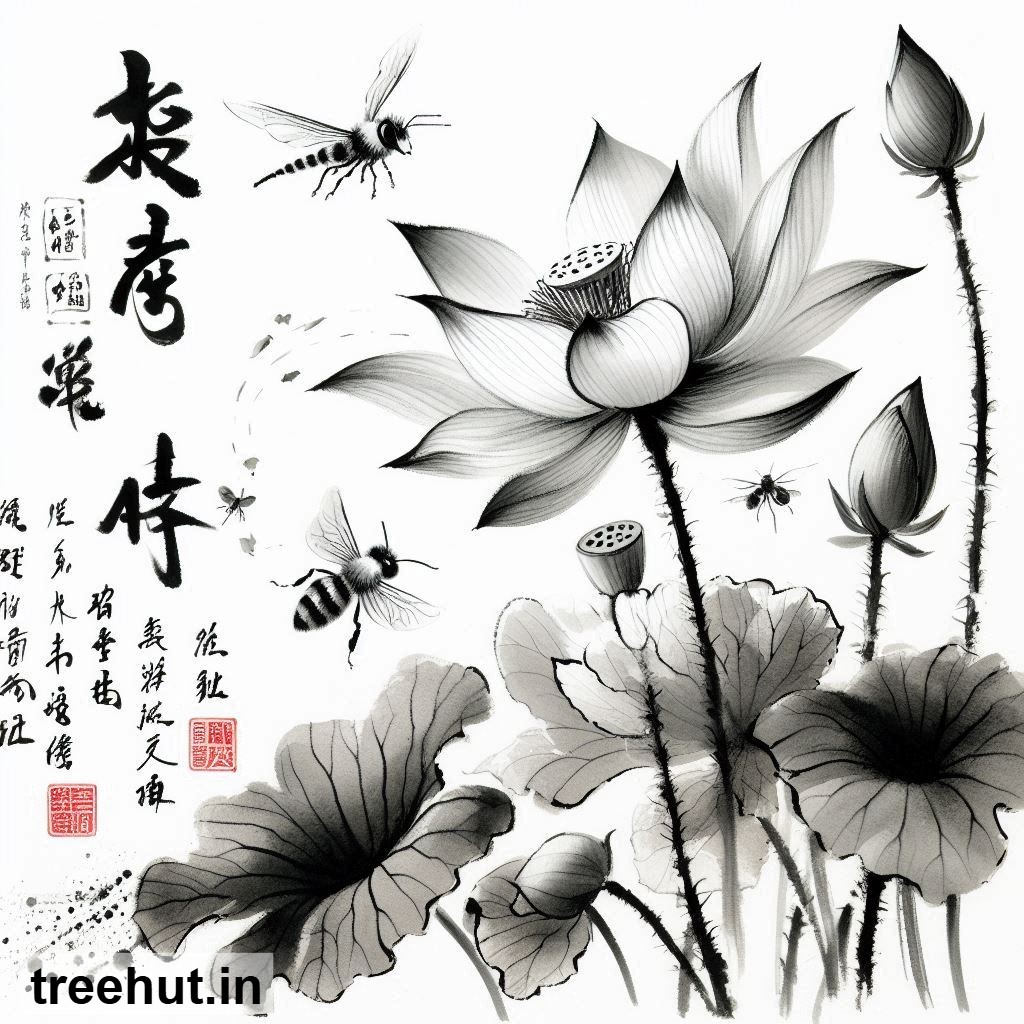
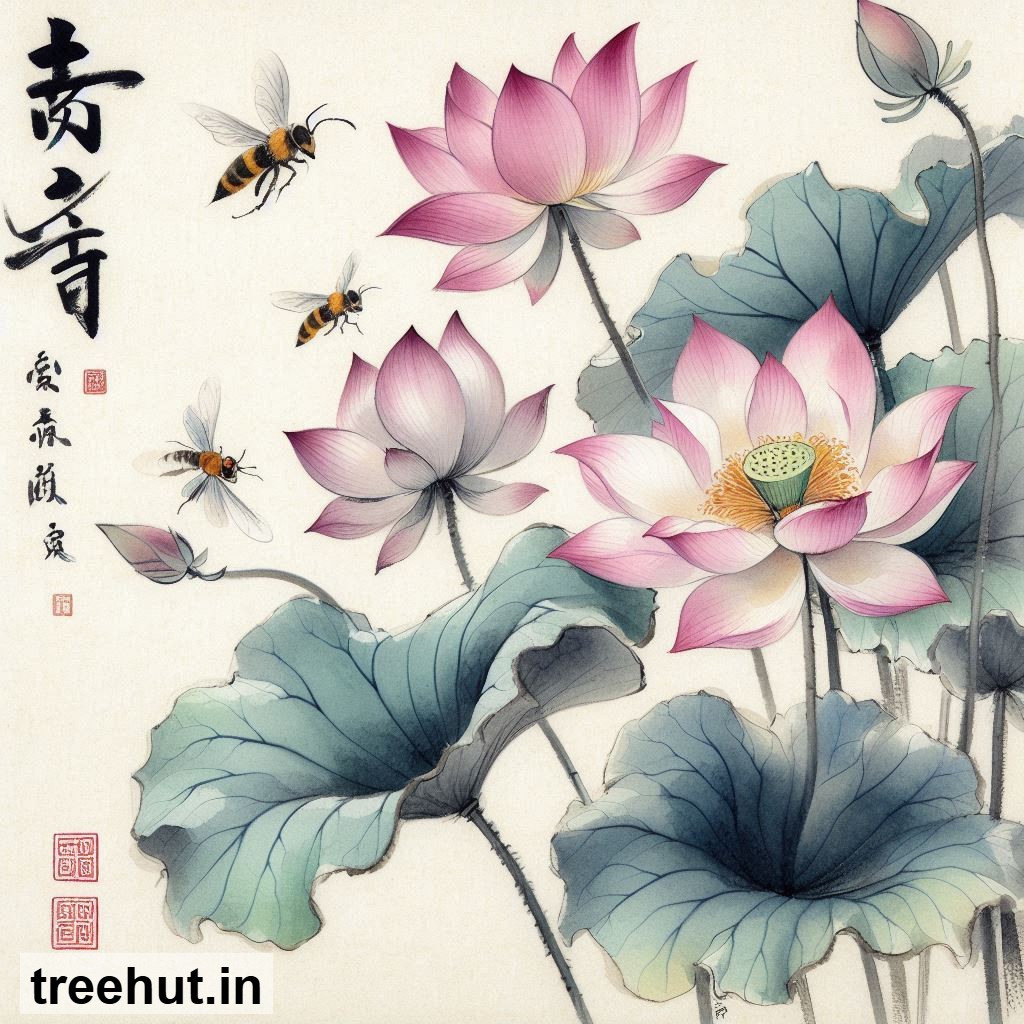
Lotus and Koi Scene: A popular theme symbolizing purity, perseverance, and abundance. Koi fish painted beneath lotus leaves can express calm and graceful movement. Use wet-on-wet ink techniques for water and layered color washes for lotus petals.
Ancient Scholars’ Studio: Depictions of secluded studios with scholars reading, playing guqin, or writing poetry amidst pine trees and rocks. These paintings reflect intellectual ideals and are rich in detail and narrative symbolism.
Mythical or Folklore Themes: Scenes from Chinese mythology—such as Chang’e flying to the moon or the Eight Immortals—can be rendered in traditional brushwork or narrative scroll style. These themes offer storytelling potential with expressive figures and landscapes.
Seasonal Scroll Paintings: Create vertical hanging scrolls for each season using appropriate flora and fauna. For example, winter with plum blossom and pine; spring with peonies and butterflies. Seasonal sets help develop thematic cohesion and brush control.
Immortal Cranes in Pine Forests: Cranes are symbols of longevity and transcendence, often painted with pine trees, which represent endurance. Use long, graceful strokes for the crane’s neck and legs, and sharp, angular lines for pine needles. This composition is serene and dignified, often seen in birthday or ceremonial artworks.
Ink Plum Blossom on Snowy Cliff: A dynamic contrast of dark ink branches against a pale or white background. Plum blossoms bloom in winter and symbolize strength in adversity. Focus on expressive brushwork—thick for gnarled trunks, delicate for blossoms. Keep negative space to suggest snow and stillness.
Boating Along the Riverbank: A narrative scene showing figures in a boat with distant bridges, pagodas, and willow trees. This design conveys a poetic, wandering mood. Use light ink washes for mist and distance, layering carefully to create perspective in traditional “floating world” style.
Celestial Landscape with Immortals: Depicts mythical beings on cloud paths, mountain peaks, or magical islands (like Penglai). Use swirling cloud motifs and tall, exaggerated mountains. Ideal for storytelling scrolls or symbolic compositions tied to Daoist beliefs.
Courtyard Garden with Scholars: A refined interior scene showing scholars painting, reading, or playing chess under a pavilion. Include intricate elements like lattice windows, bonsai trees, and flowing robes. It’s a balance between architecture and natural elegance, popular in Ming dynasty works.
Pagoda and Bridge in Misty Mountains: This vertical landscape composition blends human architecture with grand natural forms. The bridge often leads the viewer’s eye into the distance, symbolizing journey or transition. Use tonal layering and distant blurring to achieve depth.
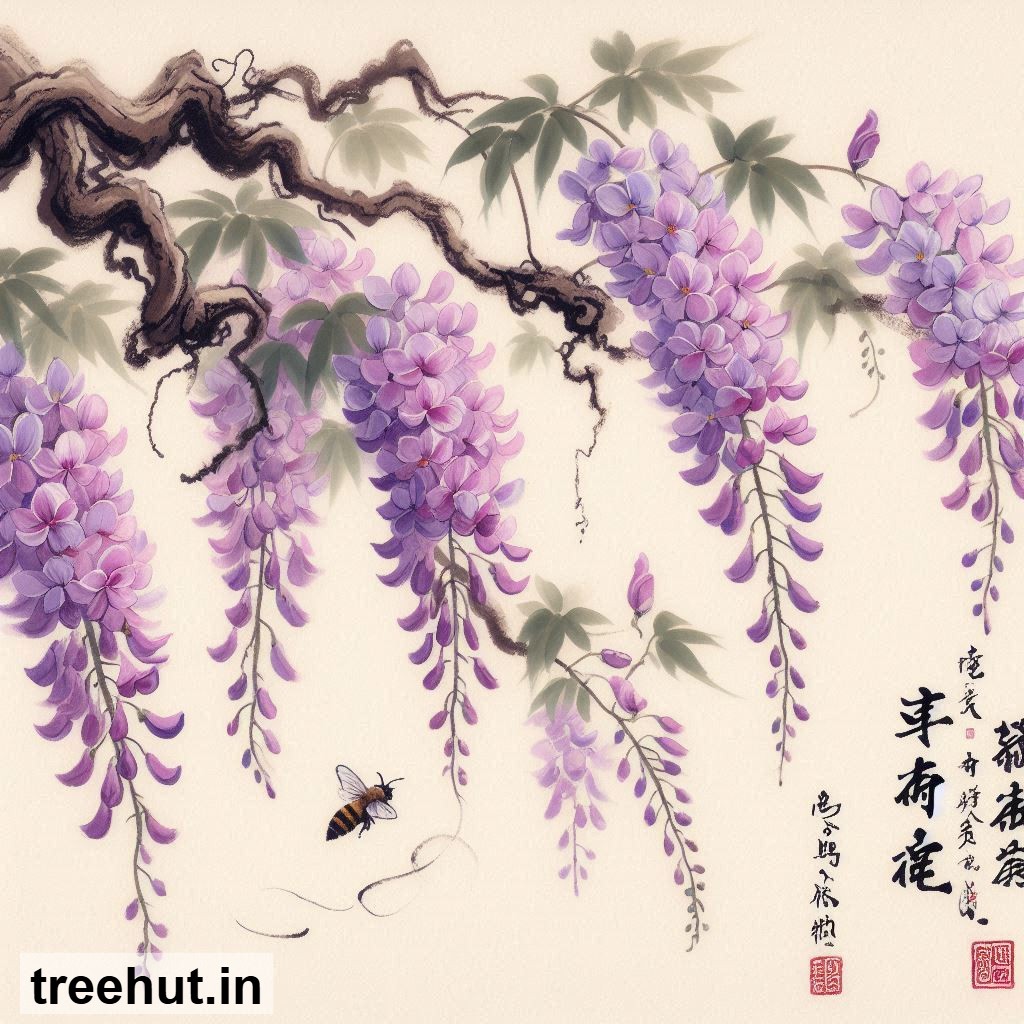
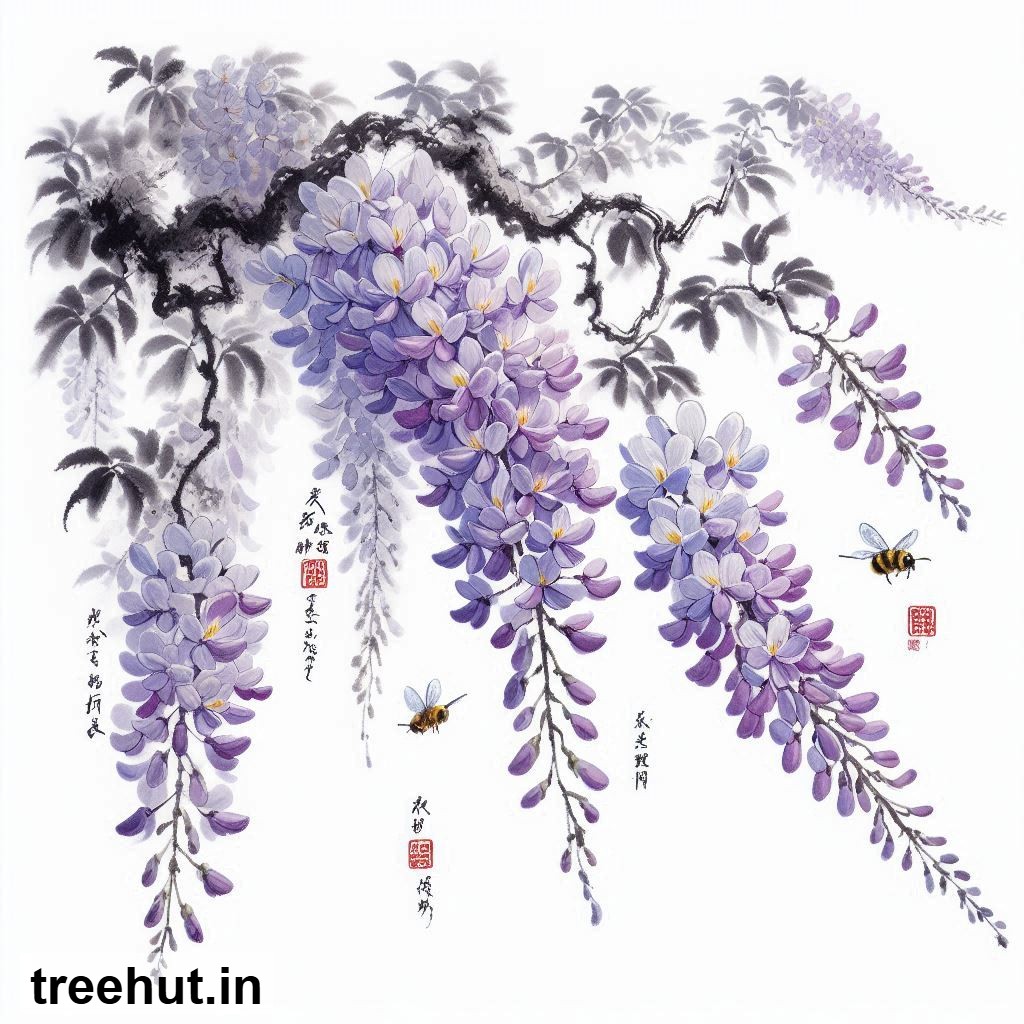
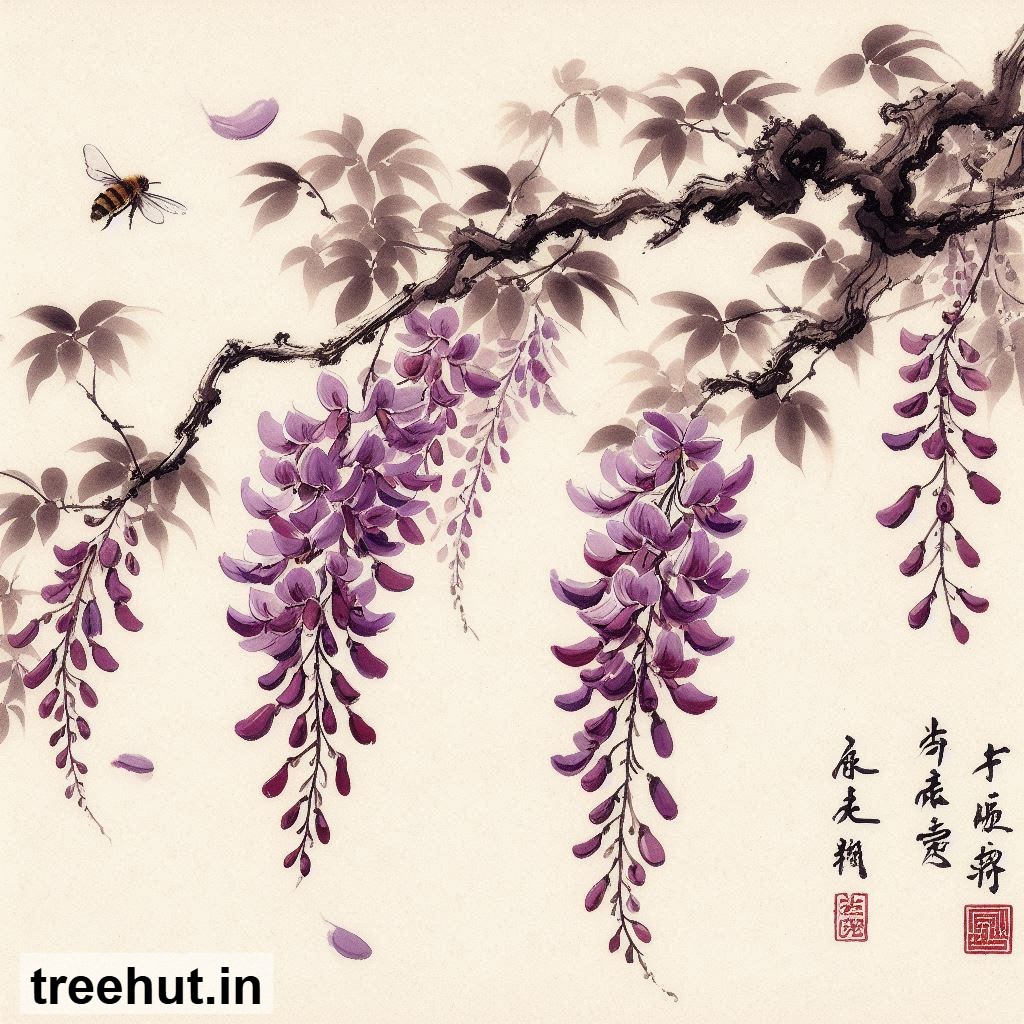
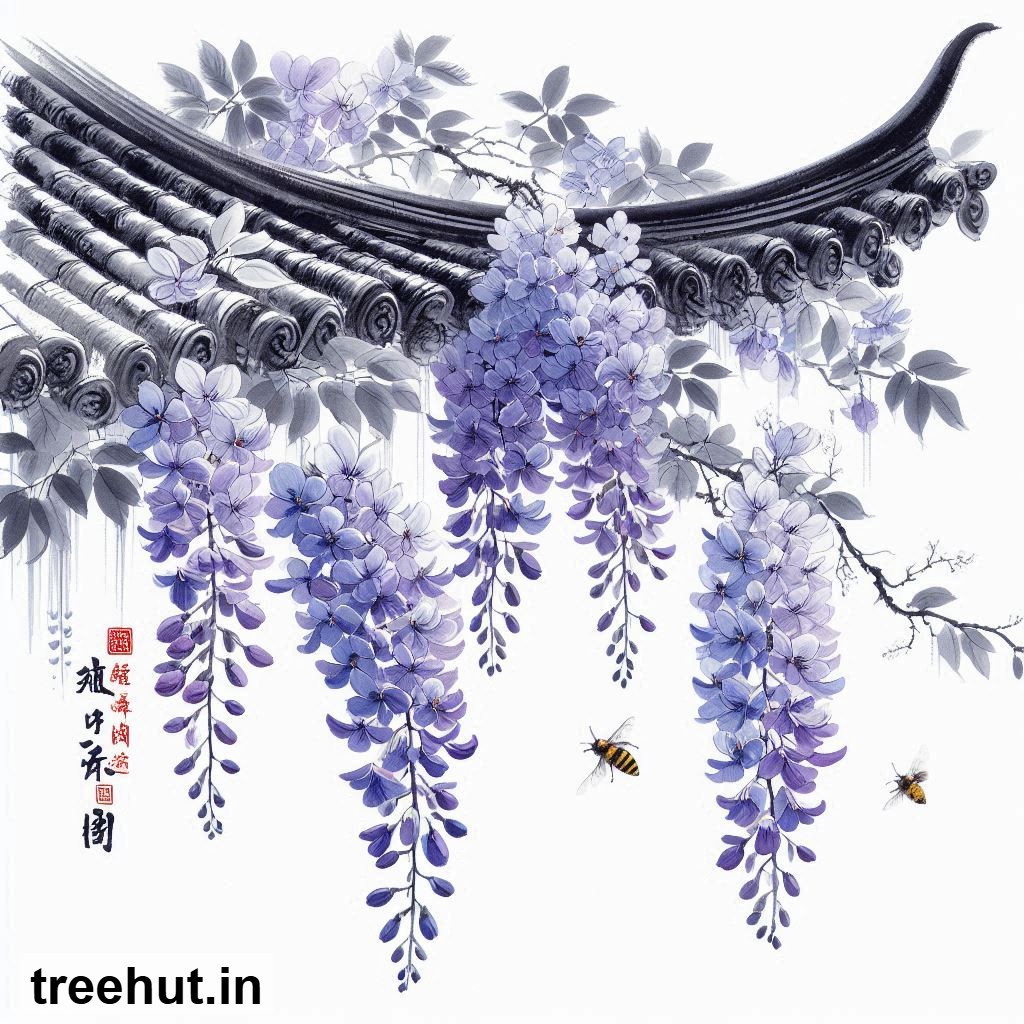
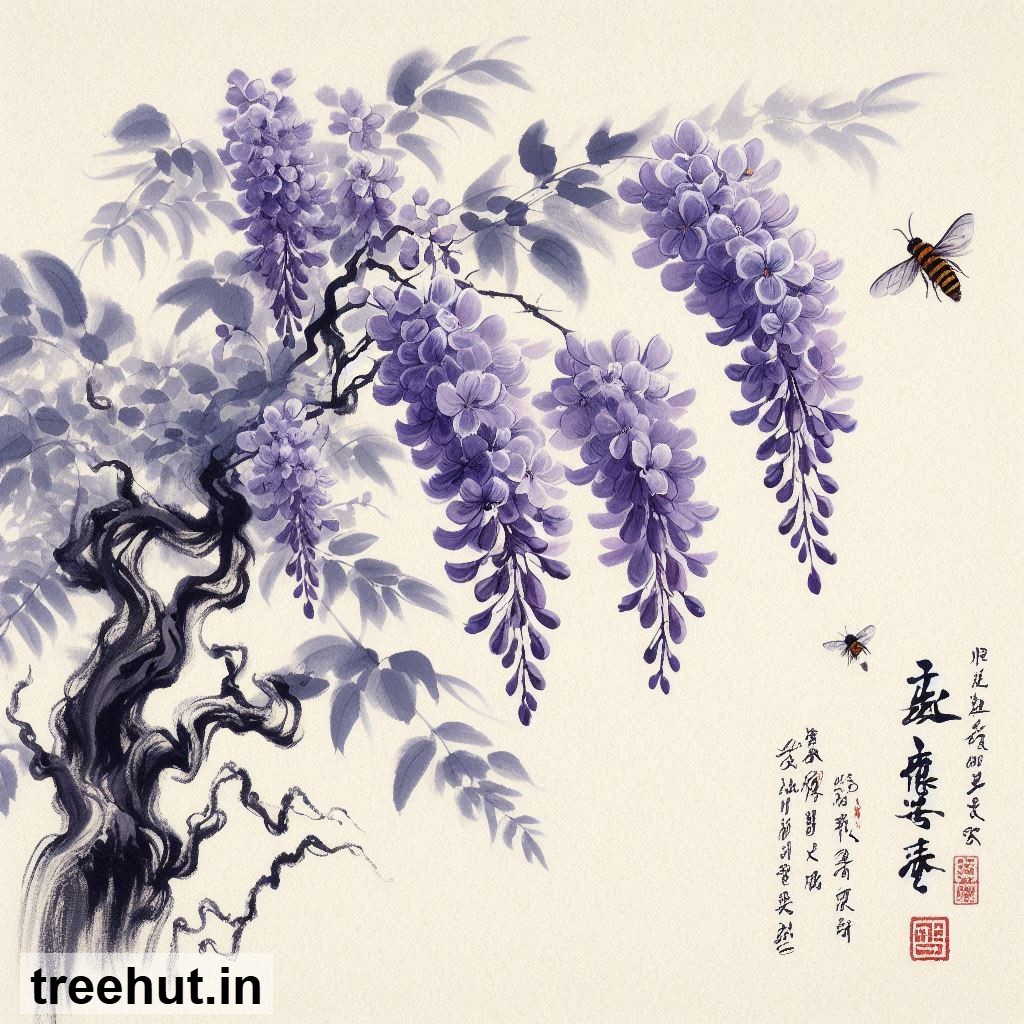
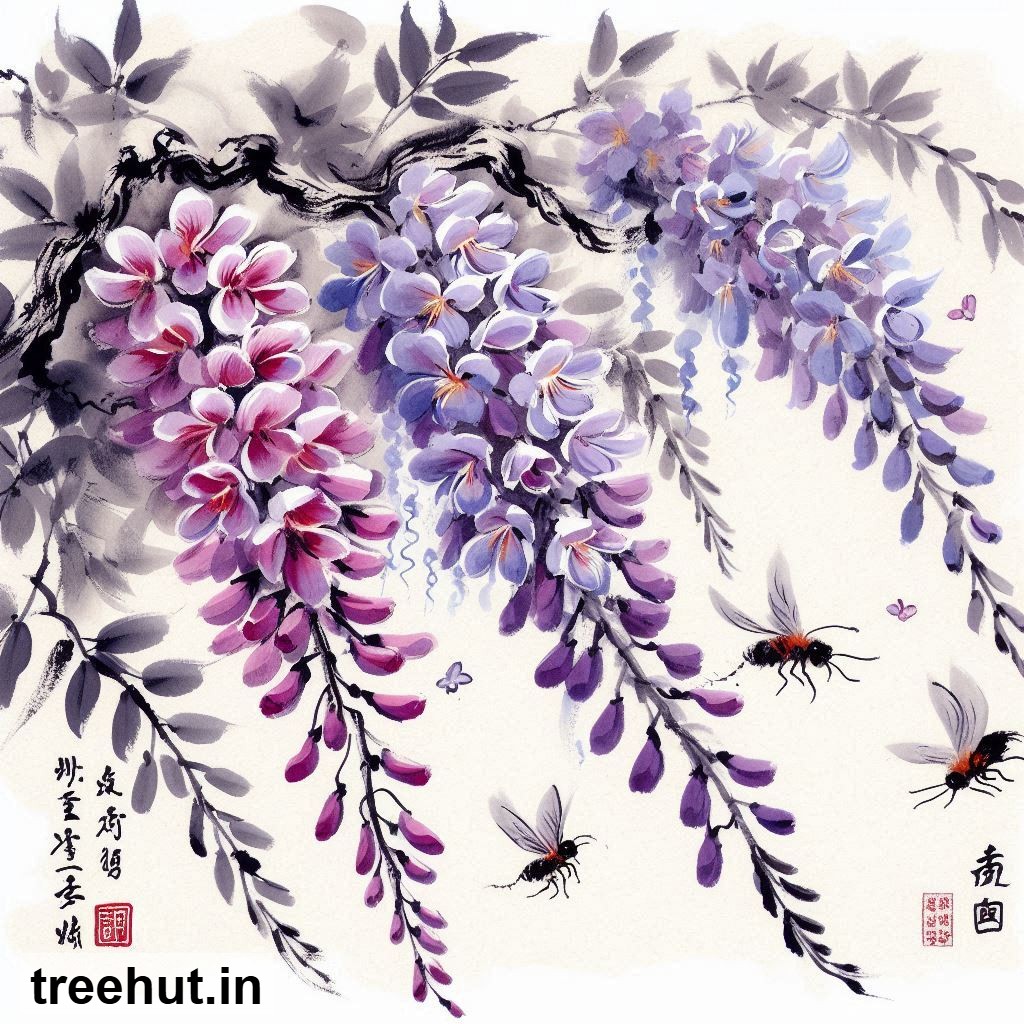
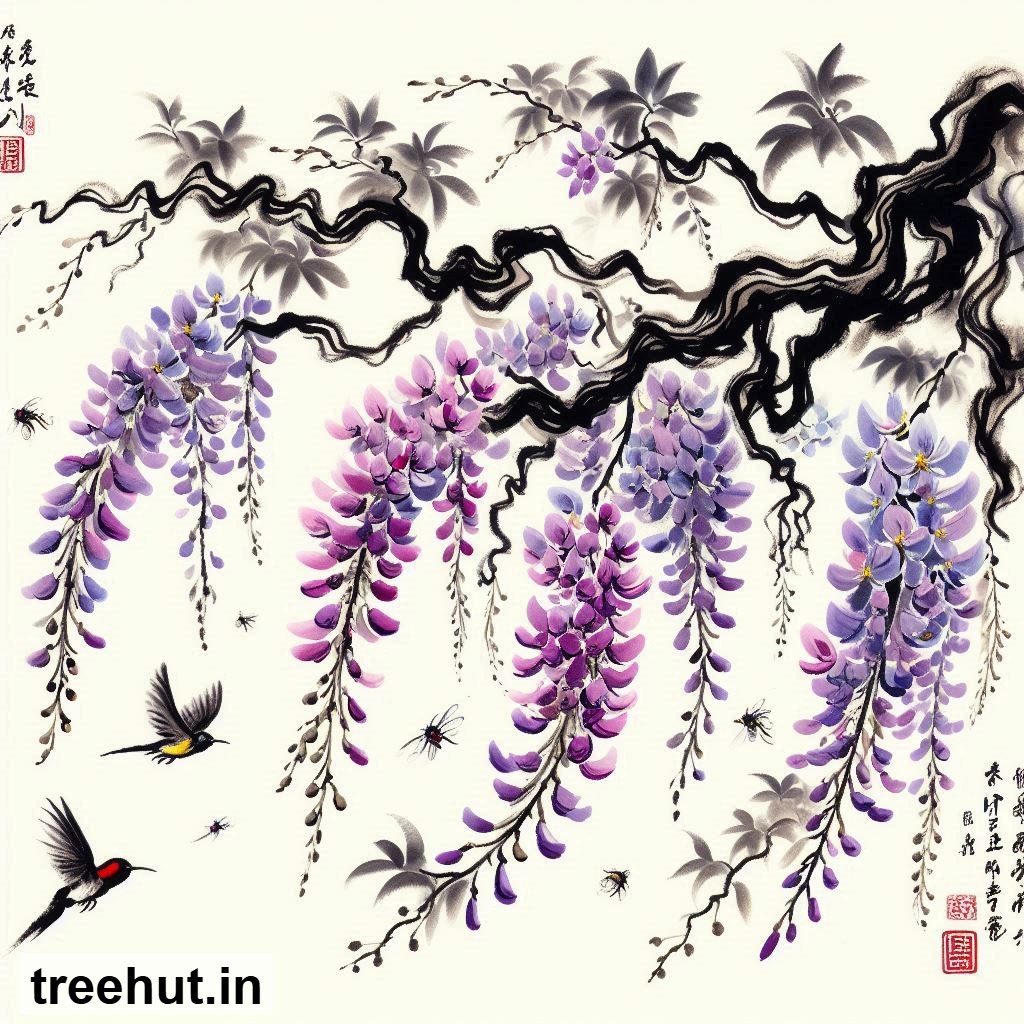
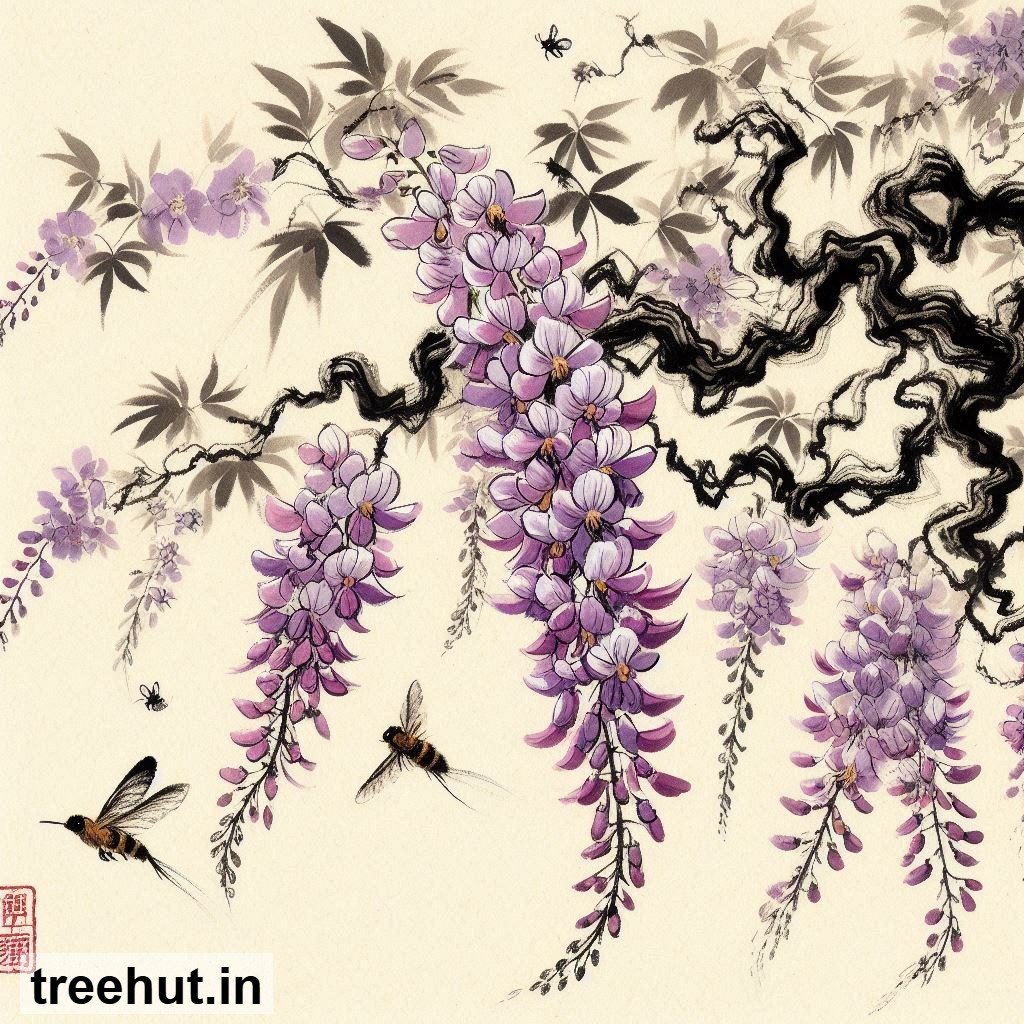
Wisteria and Swallow Composition: A graceful scene where swallows flutter around cascading wisteria vines. This springtime motif symbolizes renewal and harmony. Use flowing, curved strokes for the vines and blossoms, and rapid, light strokes for the birds in motion.
Golden Pheasant Amid Peonies: A traditional pairing symbolizing prosperity and beauty. The pheasant’s detailed plumage contrasts with the lush, rounded petals of the peony. Carefully balance bold color with elegant composition, using gold and crimson highlights where appropriate.
Monk or Hermit in Seclusion: Often placed in a vast mountain or forest setting, this figure embodies simplicity and spiritual retreat. The lone human form contrasts with monumental landscapes, emphasizing humility before nature. Minimalist ink tones and distant placement reinforce the mood.
Willow Tree by the Water’s Edge: A poetic and melancholic image, often used in depictions of parting or remembrance. Use long, downward ink lines for drooping branches and soft washes for water reflections. Add a small boat or bridge to complete the tranquil mood.
Frogs and Lotus in a Pond: A lighthearted and summery motif representing abundance and joy. Frogs can be painted with quick dabs for texture, and lotus leaves with bold, circular strokes. Contrast movement and stillness to enhance visual playfulness.
Plum, Bamboo, and Rock Trio: Known as the “Three Friends in Winter,” this classic trio symbolizes strength, perseverance, and harmony. Each element requires a different brush technique—calligraphic for bamboo, layered for plum, and textured for rock—making it an excellent study subject.
Tiger in Bamboo Forest: A bold composition representing power and courage. The tiger is often shown in motion, crouching or leaping through bamboo stalks. Use dynamic, sweeping strokes for the tiger’s stripes and taut musculature, and rhythmic, vertical lines for bamboo. The contrast between wild animal and calm nature creates visual tension.
Eight Horses of Wang Mu: A famous motif inspired by classical paintings, symbolizing vitality and achievement. Horses are painted with expressive movement—galloping, rearing, or resting. Use bold outlines and ink wash shading to capture anatomy and momentum.
Lanterns in a Moonlit Garden: A romantic night scene with glowing lanterns among trees or architecture under a full moon. The contrast of warm light with cool ink washes suggests serenity and contemplation. Include shadows and soft textures to enhance atmosphere.
Orchid and Butterfly Dance: Orchids symbolize humility and elegance, while butterflies represent transformation and joy. The fluttering motion of butterflies around slender orchid leaves creates movement and grace. Use fine brushwork for delicate detailing and compositional flow.
Ancient Pavilion Overlooking River: A contemplative landscape with a scholar or traveler standing at a railing, gazing into the mist. Include elements like willow trees, cranes, or scrolls to enrich narrative symbolism. Ideal for vertical hanging scrolls expressing solitude and introspection.
Ginkgo Tree and Autumn Breeze: The fan-shaped leaves of the ginkgo, painted in golden hues, are a symbol of longevity and seasonal transition. Use quick, overlapping brushstrokes for layered foliage, and let falling leaves trail across the composition to evoke motion.
Red-Crowned Cranes in Sunset Sky: Cranes, often symbols of immortality and grace, are painted flying across a glowing horizon. Use soft gradient washes to depict the fading sun and light ink strokes for clouds. Cranes in various poses add rhythm and fluidity to the sky.
Children Playing Under Osmanthus Tree: A joyful domestic scene rooted in Chinese folklore and seasonal celebration. Children holding lanterns or chasing butterflies under a fragrant osmanthus tree convey innocence and abundance. Use playful, light brushwork and warm tones for a festive feel.
Butterfly and Chrysanthemum Composition: Chrysanthemums symbolize autumn and the scholar’s retreat, while butterflies bring a sense of movement and joy. The combination is both seasonal and symbolic. Fine detail in petals and soft ink blending in butterfly wings make this a delicate, painterly theme.
Snow-Covered Pine on Cliff Edge: A striking winter landscape where strong pine trees withstand the weight of snow. Use dry brush and stippling techniques for snow texture, and bold, angular lines for pine trunks and rock edges. This composition emphasizes endurance and purity.
Full Moon with Lotus Pond: A serene nighttime scene with a large moon reflected in still waters, surrounded by open lotus blossoms. Use controlled ink dilution to suggest soft light and atmosphere. The circular form of the moon often anchors the composition symbolically and visually.
Mandarin Ducks on Rippling Water: Mandarin ducks symbolize marital harmony. Paint them floating together on a pond, surrounded by reeds or lotuses. Use soft ink blending to capture water ripples and reflections, enhancing intimacy and calmness.
Peacocks Amid Peony Blossoms: A luxurious and auspicious composition, the peacock symbolizes dignity and beauty, while the peony stands for wealth and honor. Use vibrant mineral pigments for feathers and blooms, and layer fine strokes for rich, detailed ornamentation. This is often a centerpiece in celebratory or decorative scrolls.
Carp Leaping Over Dragon Gate: A classic allegory of perseverance and transformation. A carp jumping against river currents toward a waterfall (the Dragon Gate) represents determination and academic success. Capture water movement with fluid brushwork and use bold outlines for the fish’s body to convey energy.
Moonlight Over West Lake: Inspired by Hangzhou’s famous West Lake, this landscape features arched bridges, weeping willows, and distant pagodas under moonlight. Use tonal ink washes and soft transitions to create mist and serenity. Ideal for poetic, narrative painting with an emphasis on atmosphere.
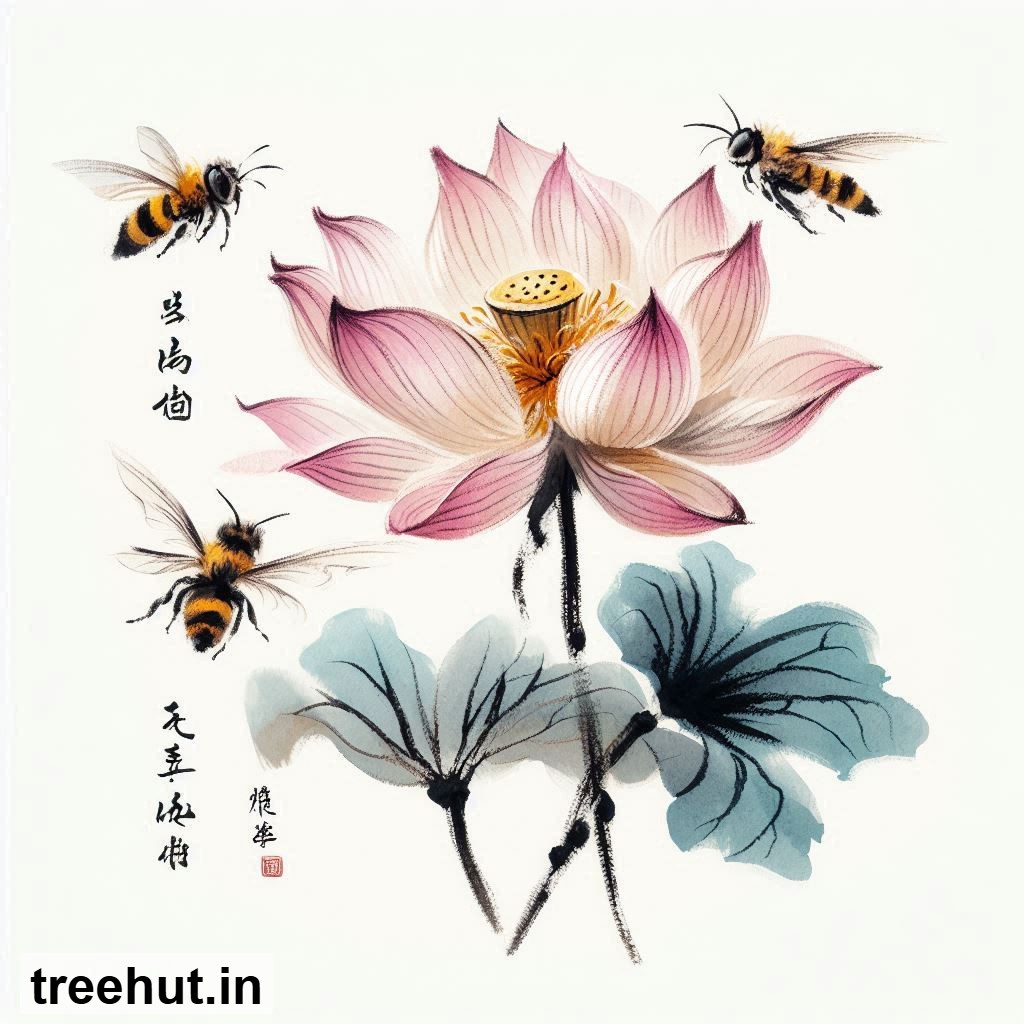
Lotus Emerging from Muddy Waters: A deeply symbolic composition representing spiritual purity rising from impurity. Paint murky waters with subdued ink tones, and let the lotus rise with vibrant, clean petals. This contrast reinforces philosophical themes found in Chinese poetry and Buddhism.
Tea Pavilion in Bamboo Grove: A peaceful scene of a scholar’s tea pavilion nestled among slender bamboo stalks. Often accompanied by flowing streams or mountain mist, it evokes scholarly retreat and tranquility. Use vertical composition with layered depth to enhance immersion.
Oxherd and Water Buffalo: A rustic, pastoral image often used to depict Daoist ideals or the simplicity of rural life. The child riding or leading the buffalo reflects harmony between humans and nature. Ink wash techniques help create a relaxed, gentle rhythm across the scene.
Longevity Peach Tree and Immortals: The peach tree is a symbol of immortality in Chinese mythology. Often painted with the Eight Immortals or the Queen Mother of the West (Xi Wangmu), this design features oversized peaches, twisted branches, and celestial figures. Use bold outlines and vivid color for peaches, with intricate detailing in robes and clouds to convey divinity.
Camellia Blooms in Winter Wind: Camellias symbolize admiration and refinement, especially when shown blooming in winter landscapes. Capture the glossy leaves with dense ink and the blossoms in controlled red or pink tones. Positioning the flowers against a stark background enhances their quiet strength.
Temple Bells in Morning Mist: A meditative composition featuring temple rooftops or bell towers emerging from a misty mountain. Use subtle layering and wet-on-wet washes to suggest fog and early light. This type of image is often accompanied by poetic inscriptions reflecting Buddhist serenity.
Crickets and Autumn Leaves: A fine, close-up scene focusing on fallen maple leaves and a cricket perched or in motion. This design combines micro-detail and seasonal symbolism. Fine linework and textured color bring depth to leaves, while the cricket offers dynamic contrast.
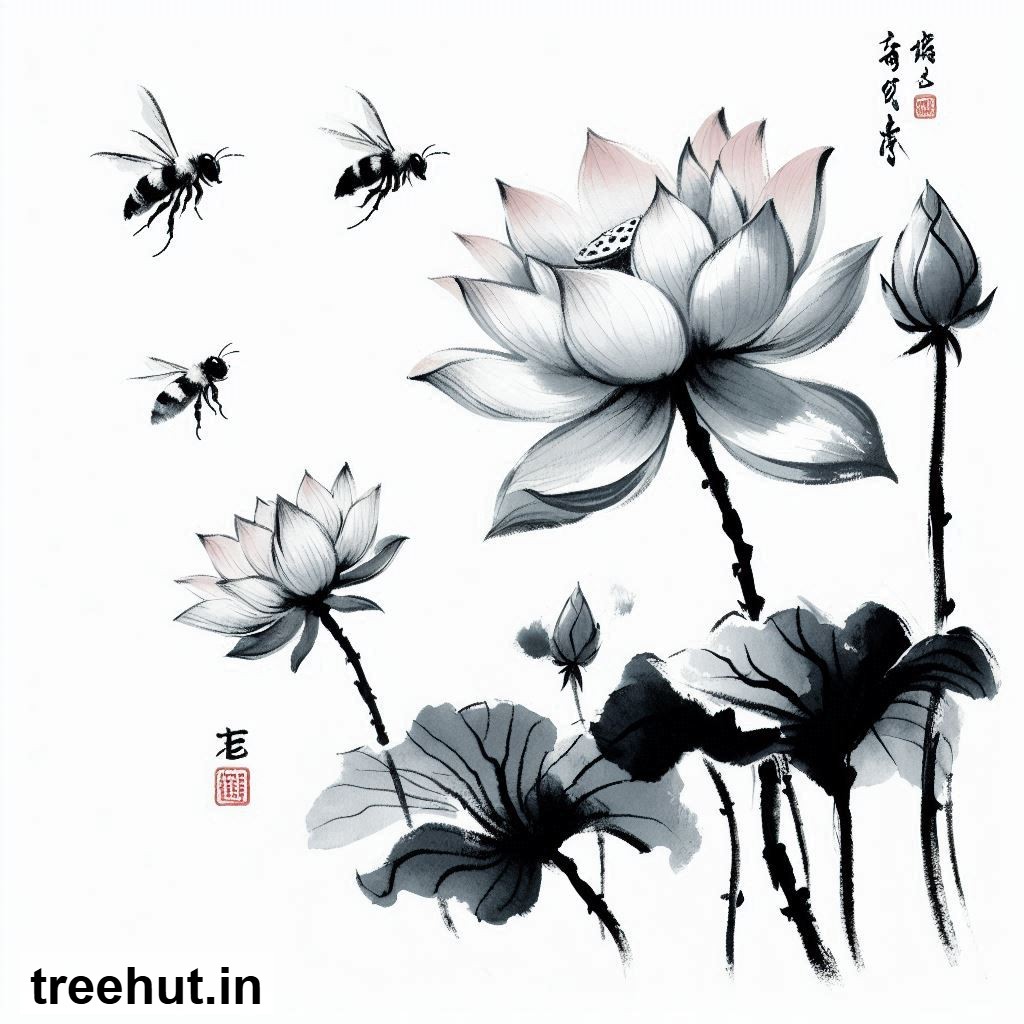
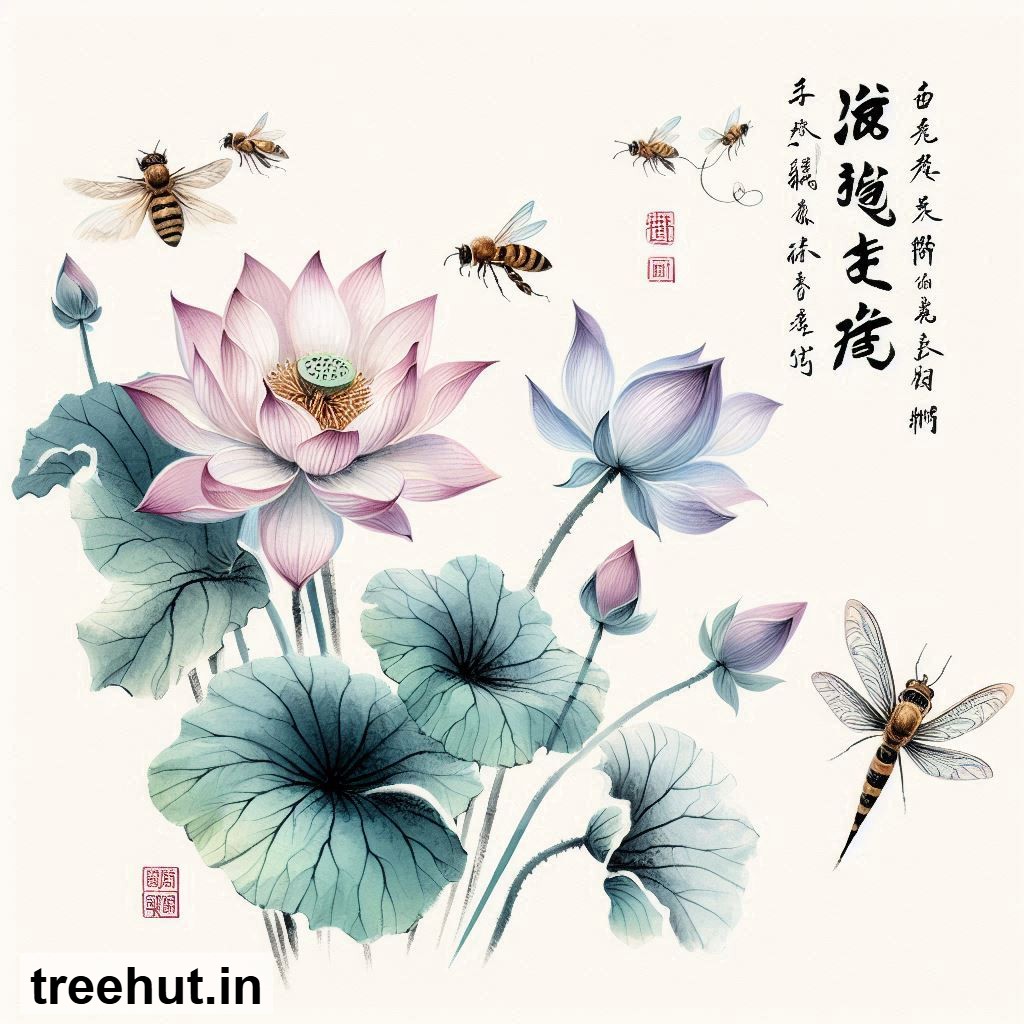
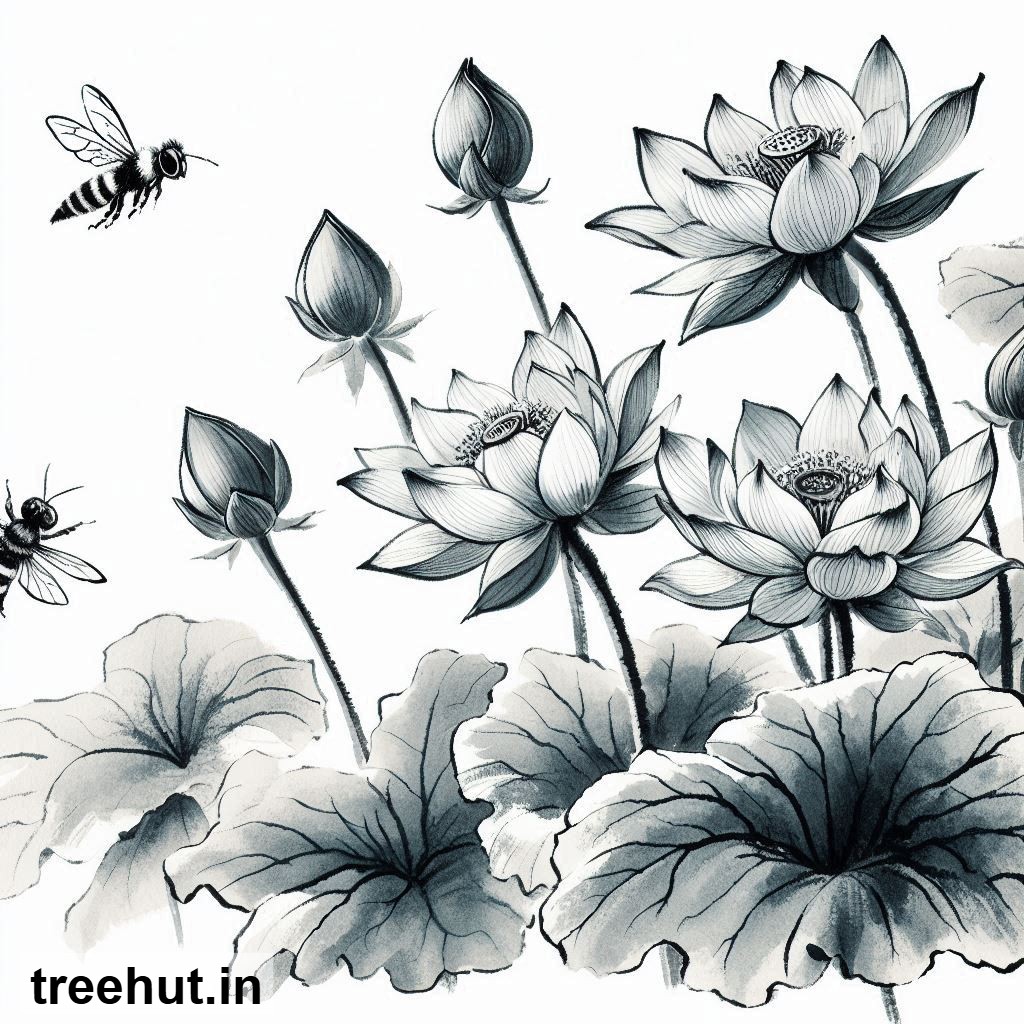
Sacred Lotus with Dragonfly: A dragonfly hovering over a blooming lotus suggests fleeting beauty and transformation. Paint with delicate washes and negative space to suggest airiness. The balance between stillness and motion is central to this elegant summer theme.
Ox Tilling in Spring Fields: A rural theme representing agriculture, humility, and seasonal renewal. The image of an ox plowing earth, often guided by a barefoot farmer, is rendered in expressive brush lines. This design may include newly budding trees or birds overhead to mark the season.
Han Palace Ladies and Garden Scenes: Inspired by classical court paintings, this design features elegant women in flowing robes amidst detailed pavilions, rockeries, and flower gardens. Use refined linework and soft color palettes to capture delicacy and grace. Patterns on fabrics and hair accessories offer opportunities for intricate brushwork.
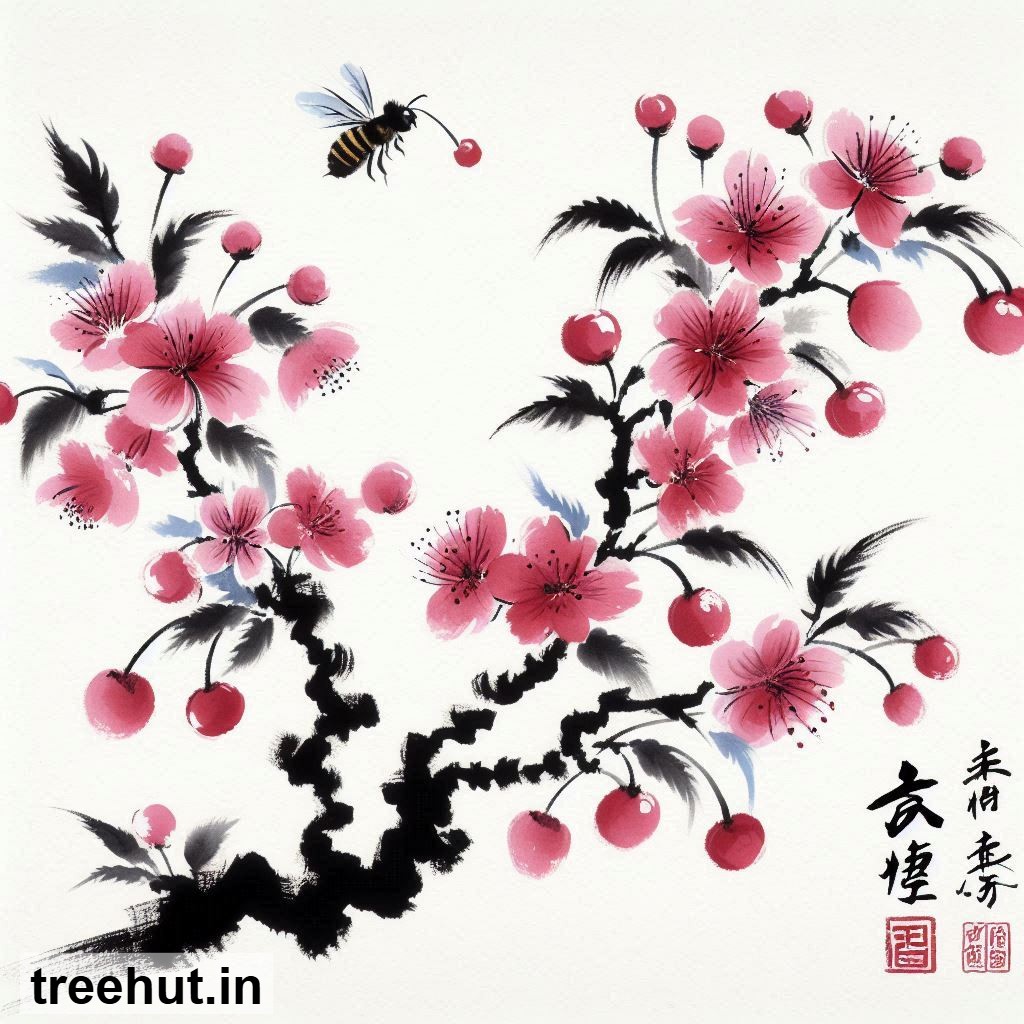
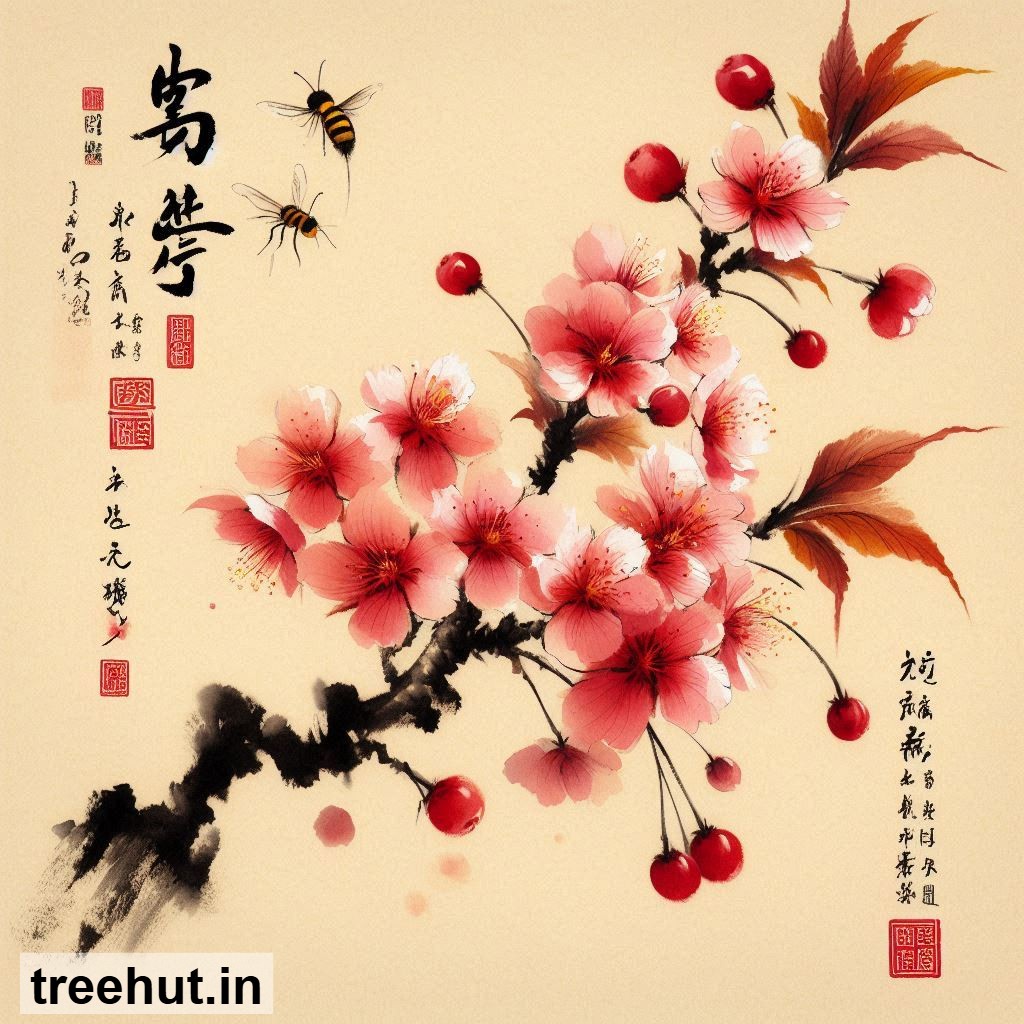
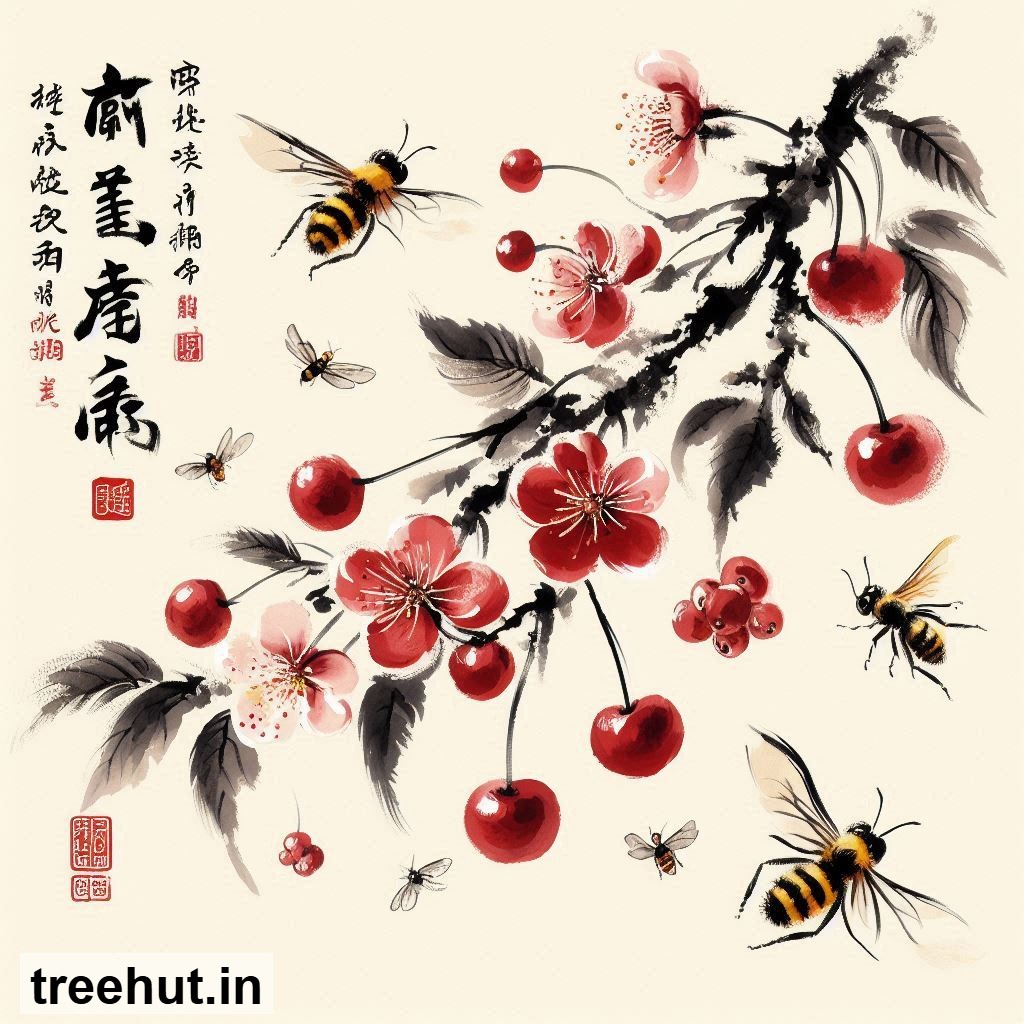
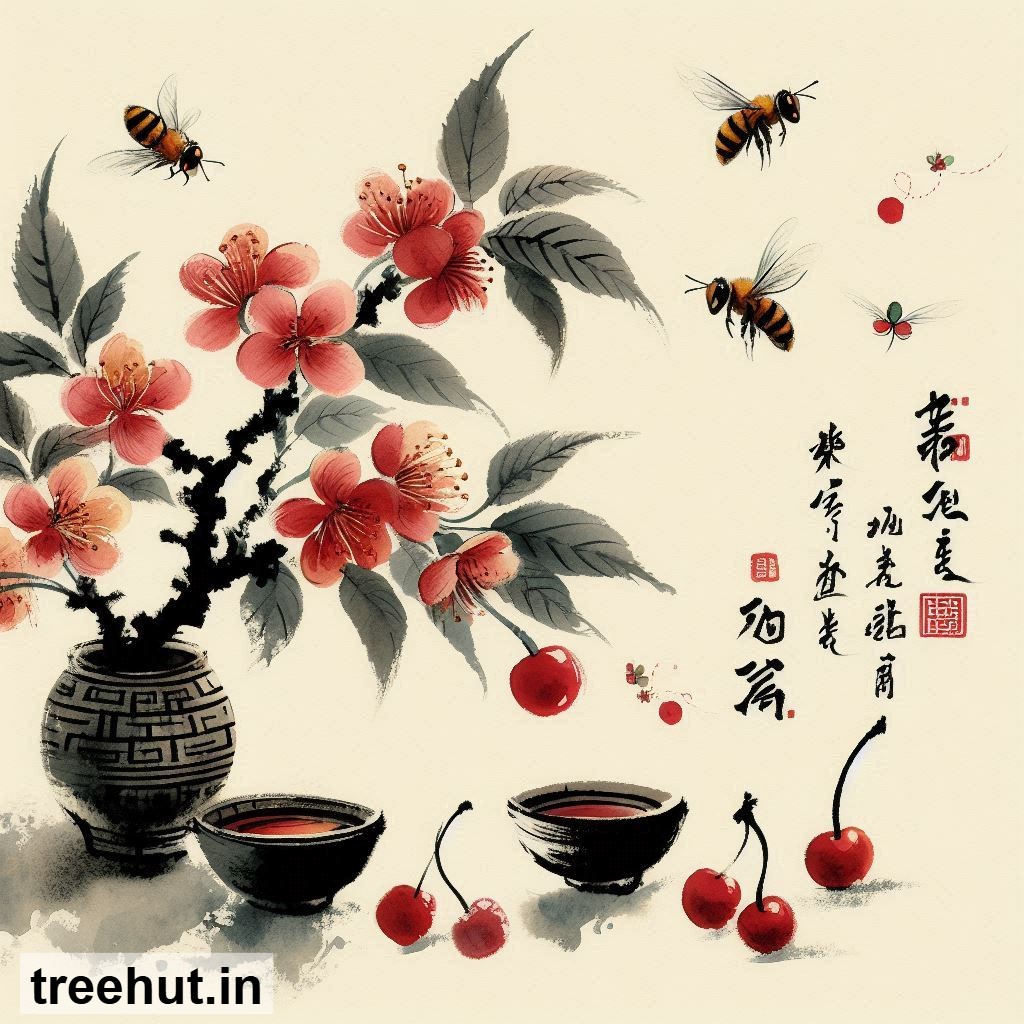
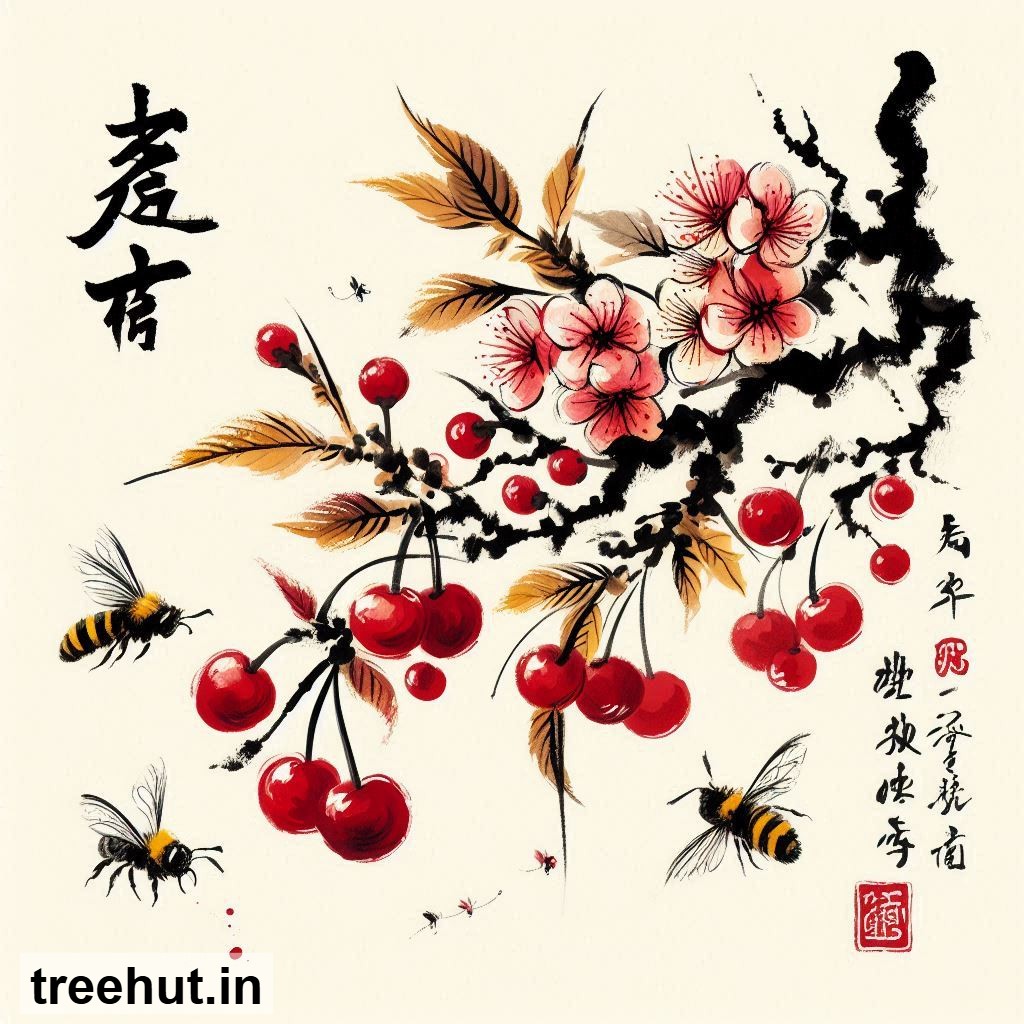
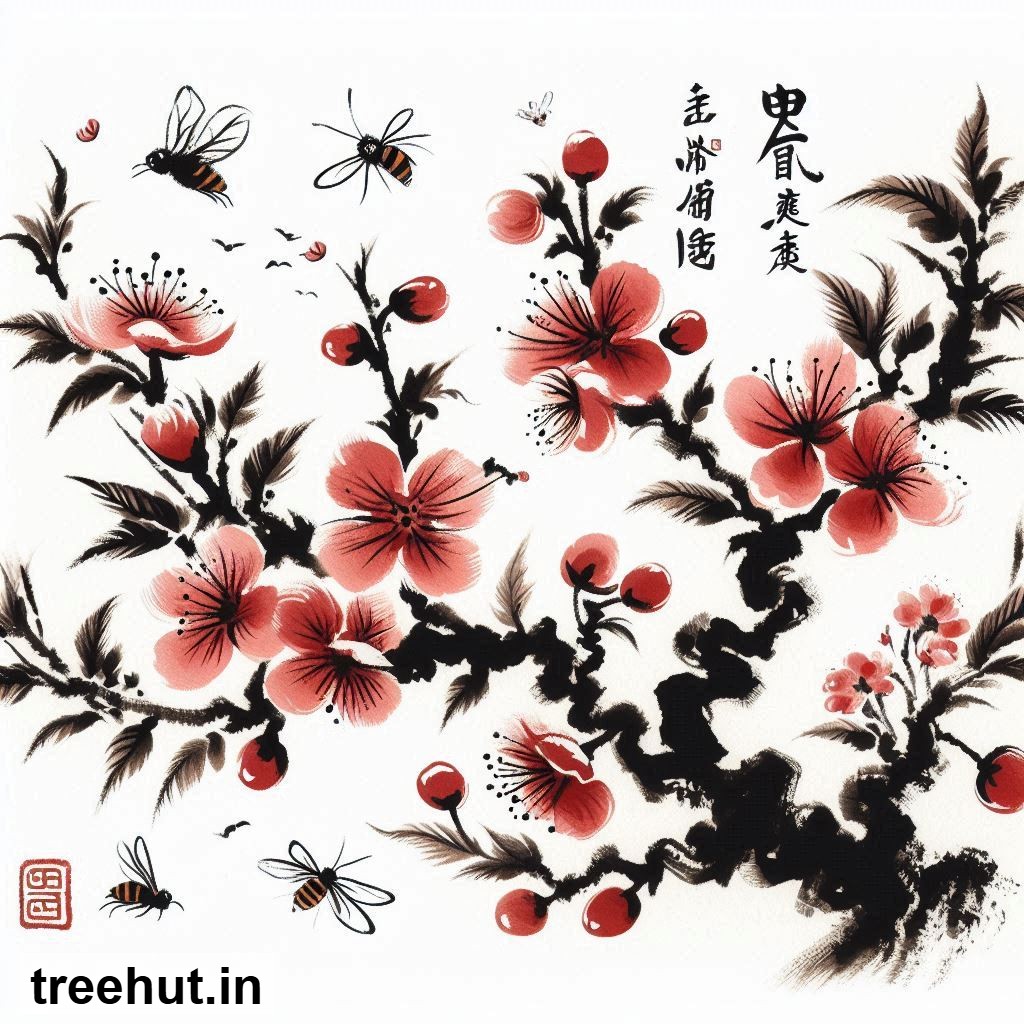
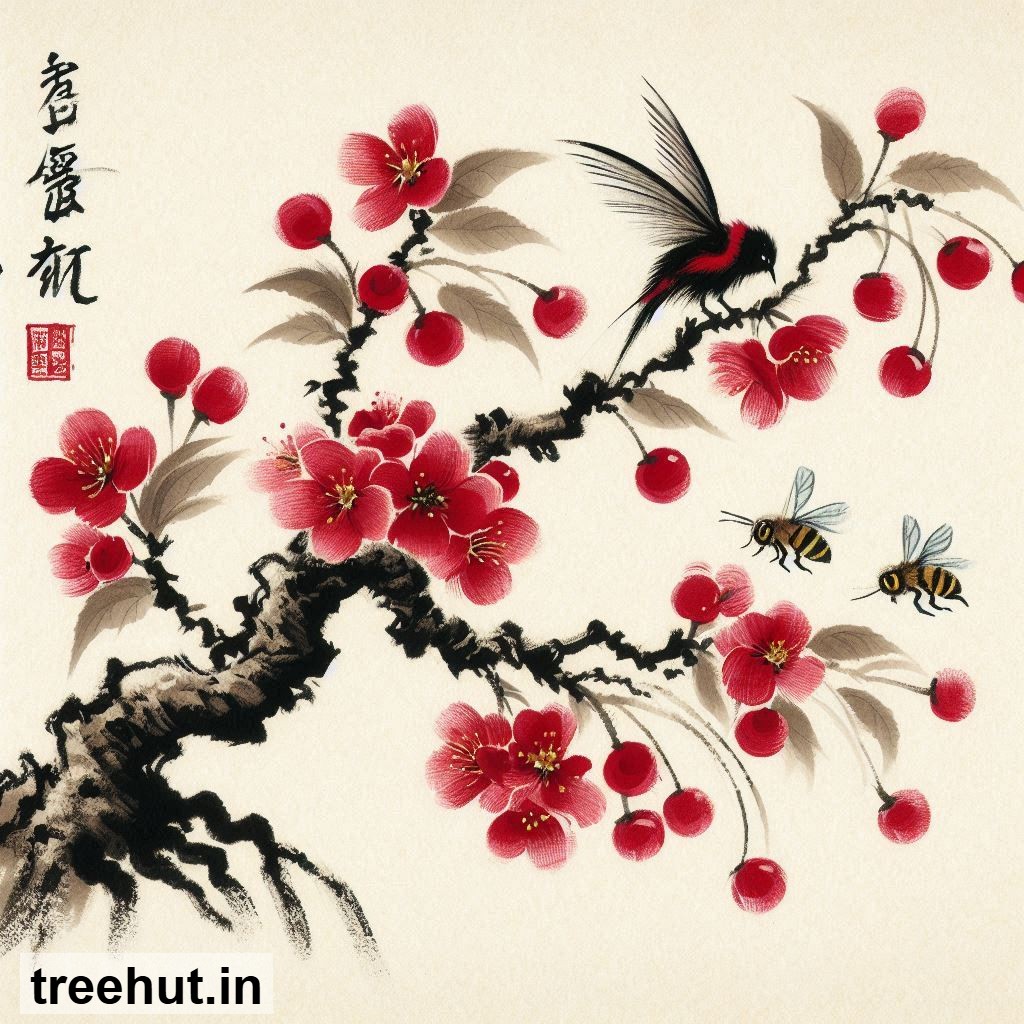
Cherry Blossoms in Spring Breeze: A poetic subject evoking renewal and ephemeral beauty. Cherry blossoms are often painted in clusters with sweeping branch lines and scattered falling petals. Use dry-brush texture for bark and light washes for blossoms. A subtle breeze can be implied by branch curvature and petal placement.
Wild Goose and Autumn Sky: Wild geese flying in V-formation against an expansive sky suggest change, migration, and poetic melancholy. Use minimalism to emphasize space and motion. Ink washes in gradient layers evoke distant clouds and fading daylight.
Sparrows Among Reed Grass: A spontaneous and lively motif, sparrows darting through tall grasses suggest agility and everyday vitality. Use swift, rhythmic strokes for birds and tall, flexible lines for reeds. Ideal for practicing movement and layering textures in a compact composition.
Mountain Monastery Hidden in Pines: A landscape of spiritual retreat with tiled rooftops barely visible through pine-laden slopes. Use "cun" (wrinkle) texture strokes for rocks and dry brush for pine foliage. This style emphasizes vertical layering and peaceful remoteness.
Falling Leaves Over River Boat: A lone figure in a small boat drifts beneath trees shedding autumn leaves—a symbol of solitude and impermanence. Use diagonals and soft curves to lead the eye and evoke quiet motion. Pair with calligraphy for enhanced poetic effect.
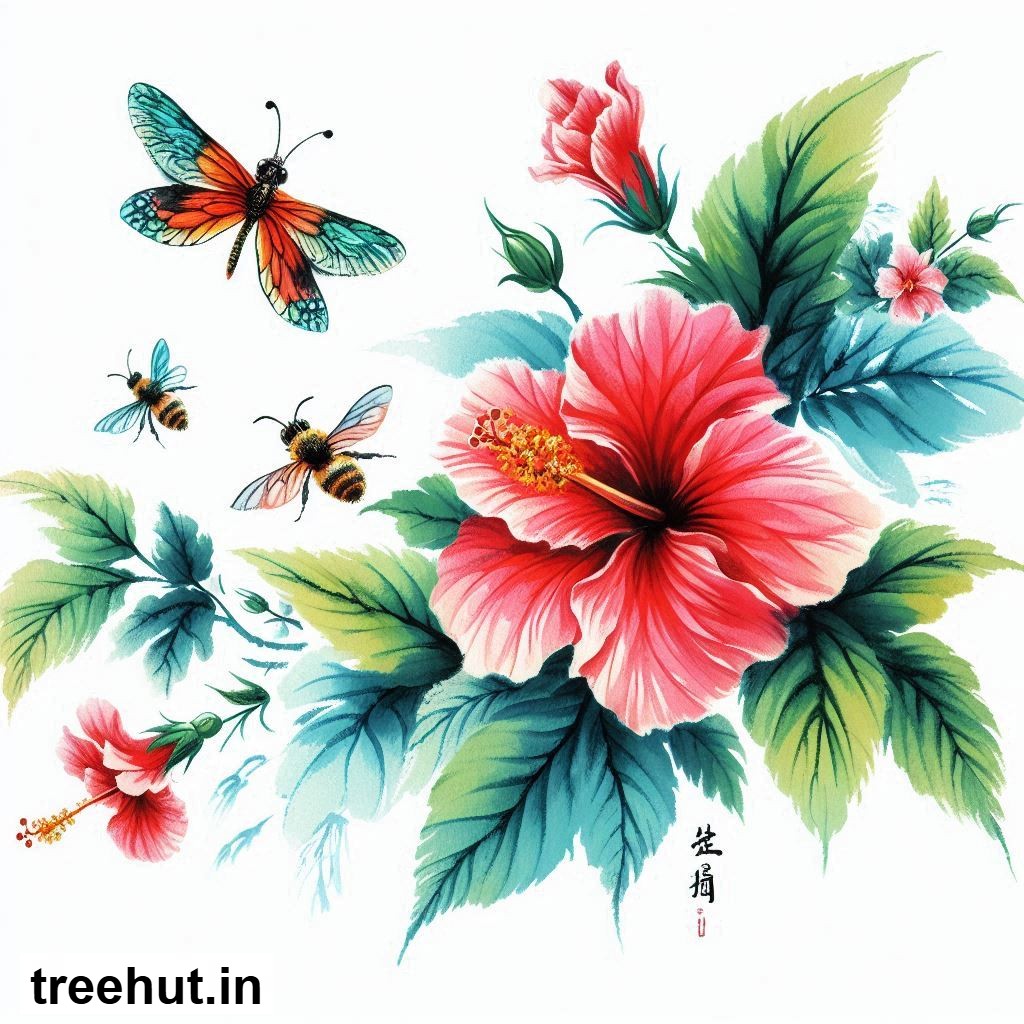
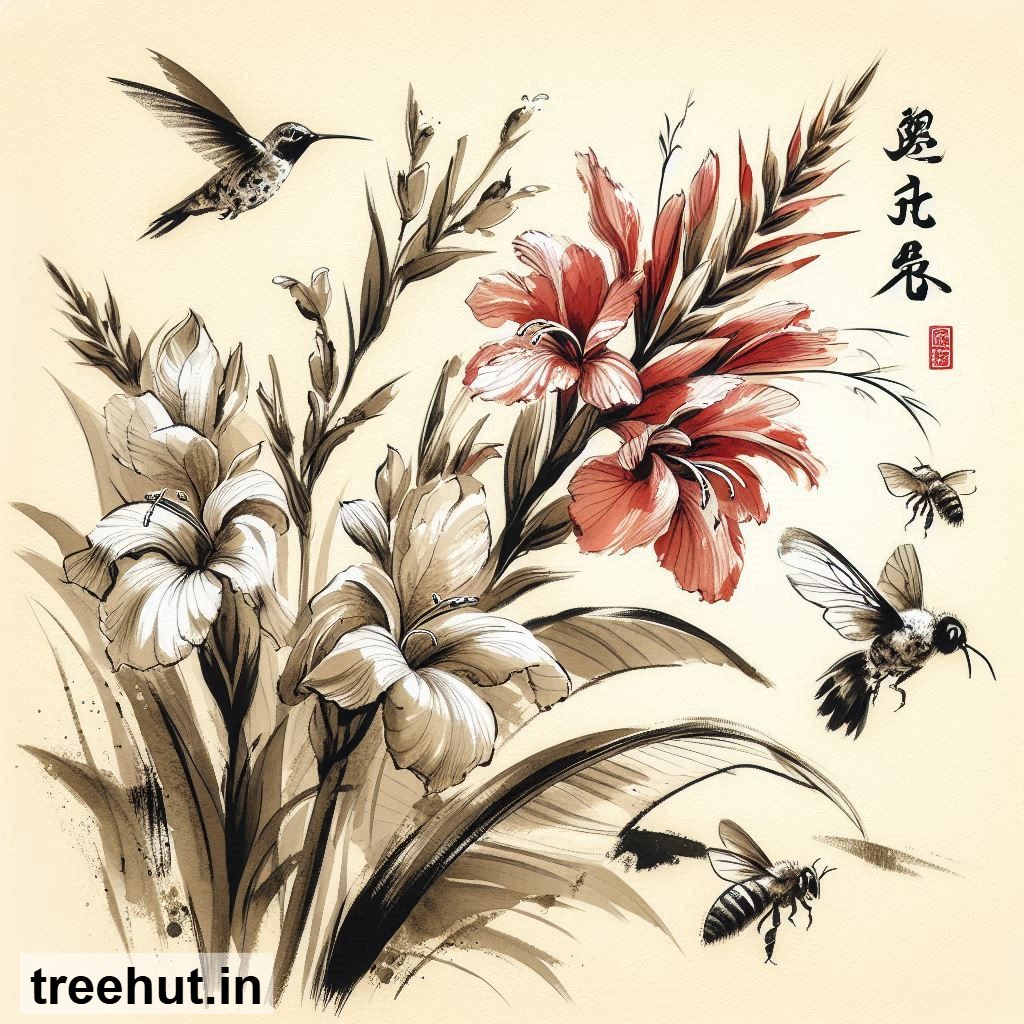
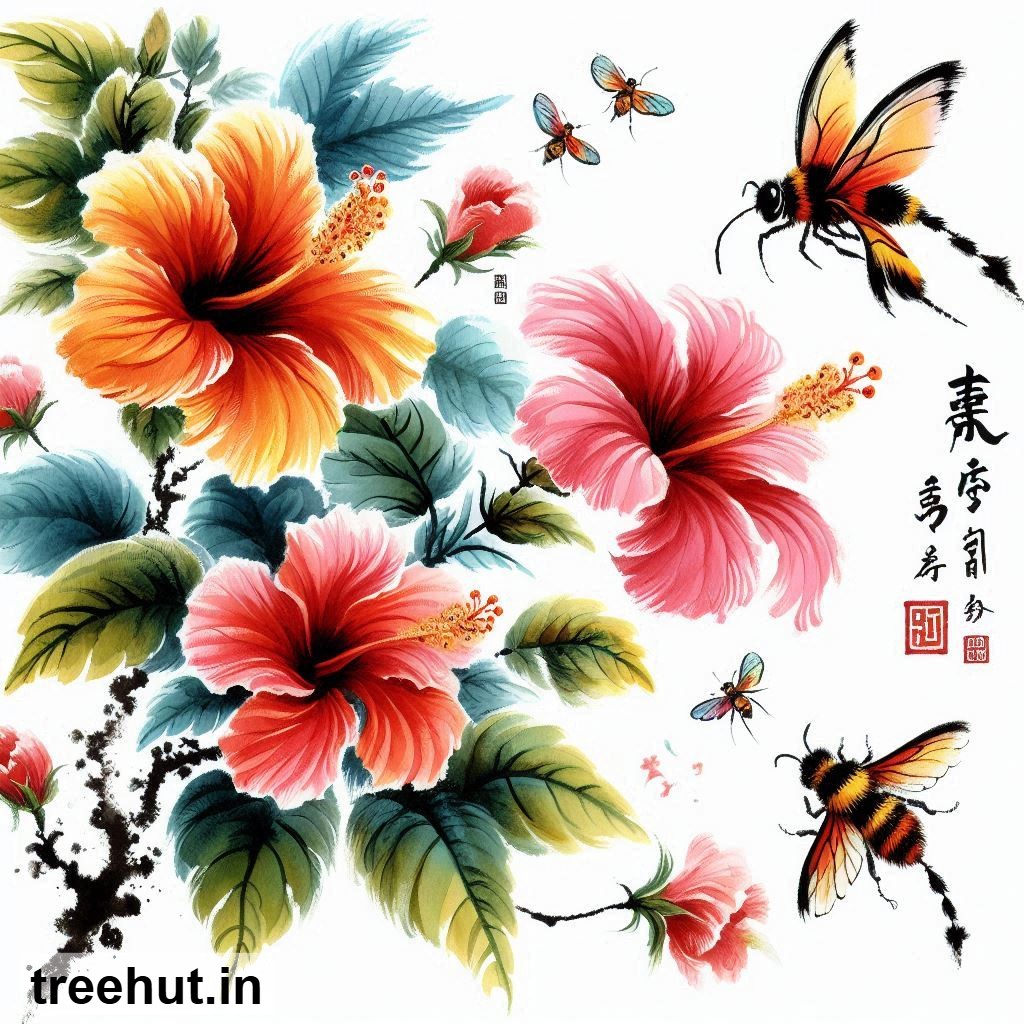
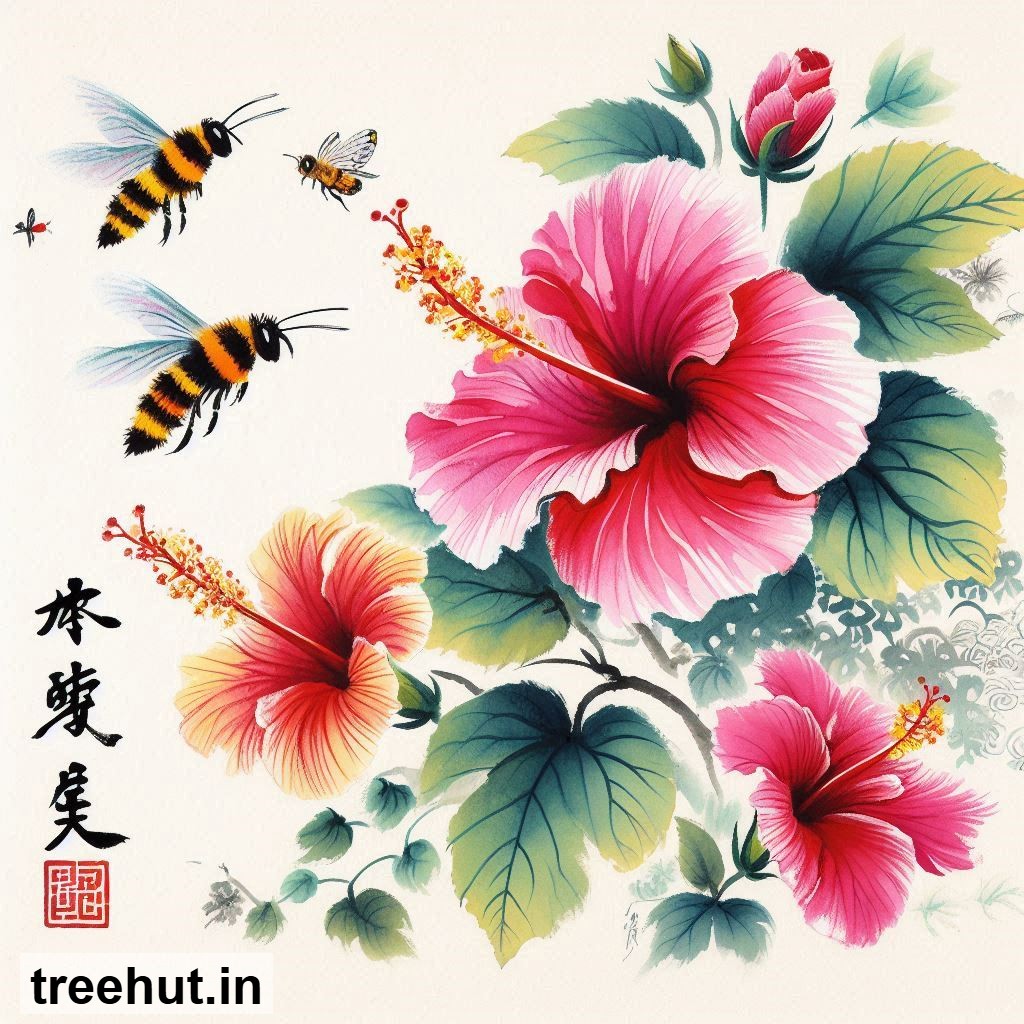
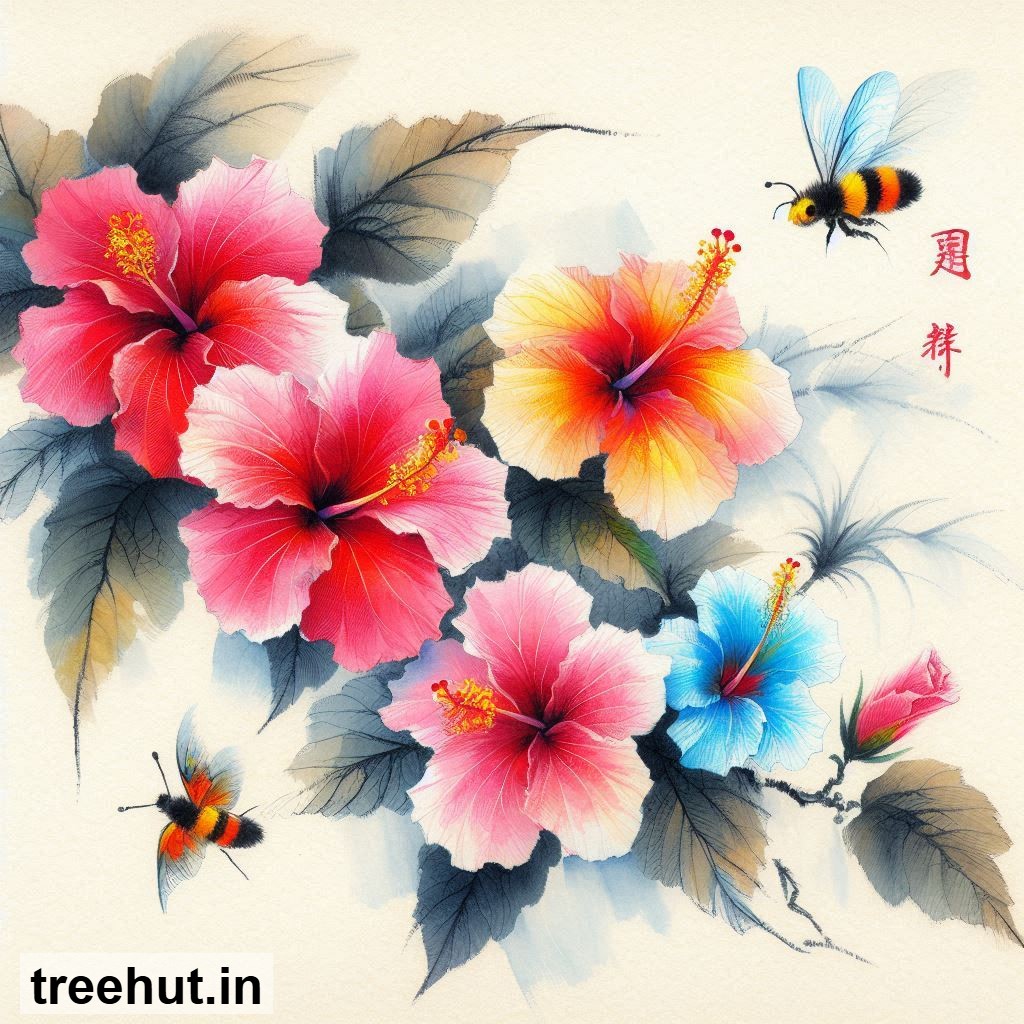
Hibiscus Blooming After Rain: The hibiscus, with its large, radiant petals and tropical presence, symbolizes delicate beauty and fleeting moments. In Chinese-style compositions, hibiscus is often paired with butterflies or morning mist. Use soft washes to capture petal translucency and fluid linework for leaves. Dew drops or rain-wet foliage can be added with reserved white space or gentle ink lifting to enhance freshness.
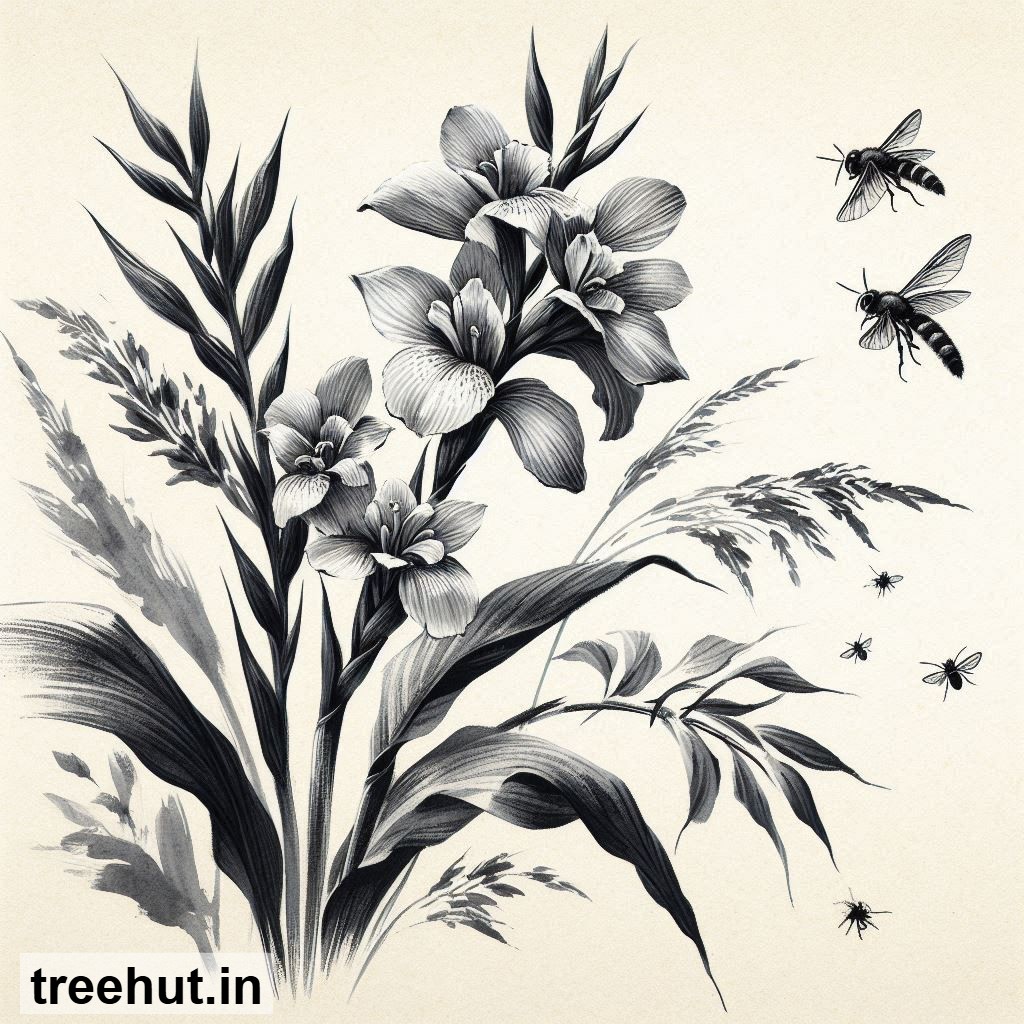
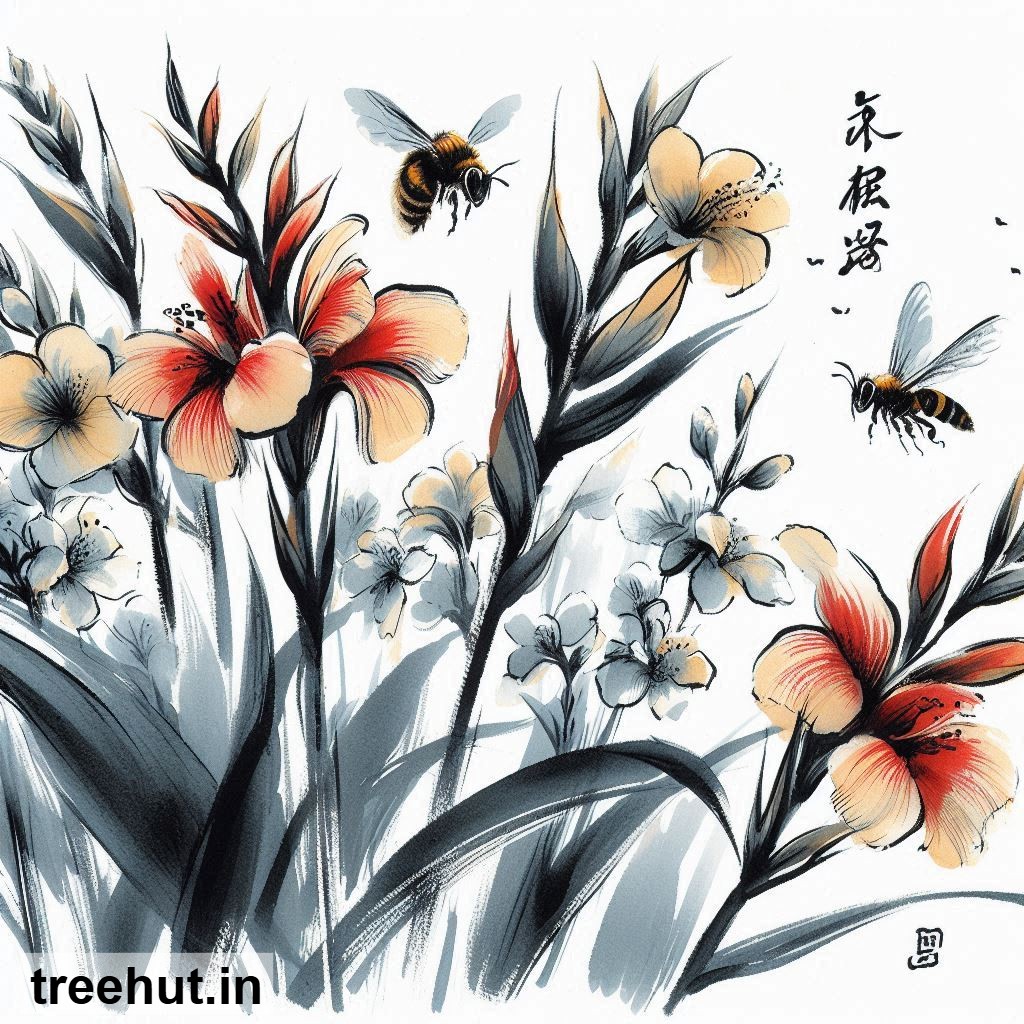
Canna Lily in Summer Garden: Bold and upright, the canna lily conveys vitality, strength, and prosperity. Its broad leaves and flame-shaped blossoms offer a dramatic vertical element. Use confident, wide brushstrokes for the foliage and layered red or orange mineral pigments for the blooms. Canna is often composed alongside rocks or stone paths to ground its vivid energy in traditional garden settings.
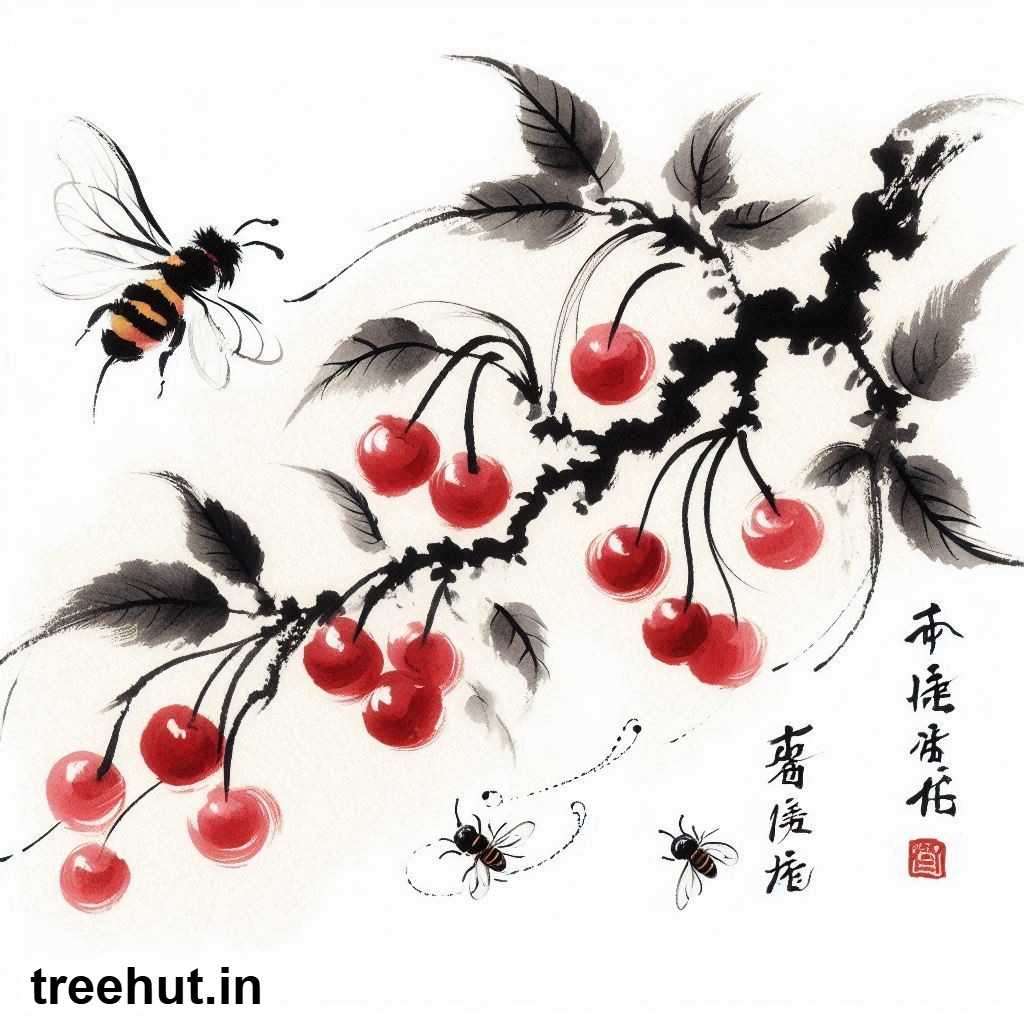
Persimmon Branch with Ripened Fruit: Persimmons are classic symbols of good fortune, wisdom, and the fruition of effort. A branch with plump, ripe persimmons makes a satisfying autumn composition. Use warm ink tones—reds and oranges—for the fruit, and dry brush for textured bark and curling leaves. Sometimes paired with magpies or squirrels, this theme adds playful or auspicious meaning.
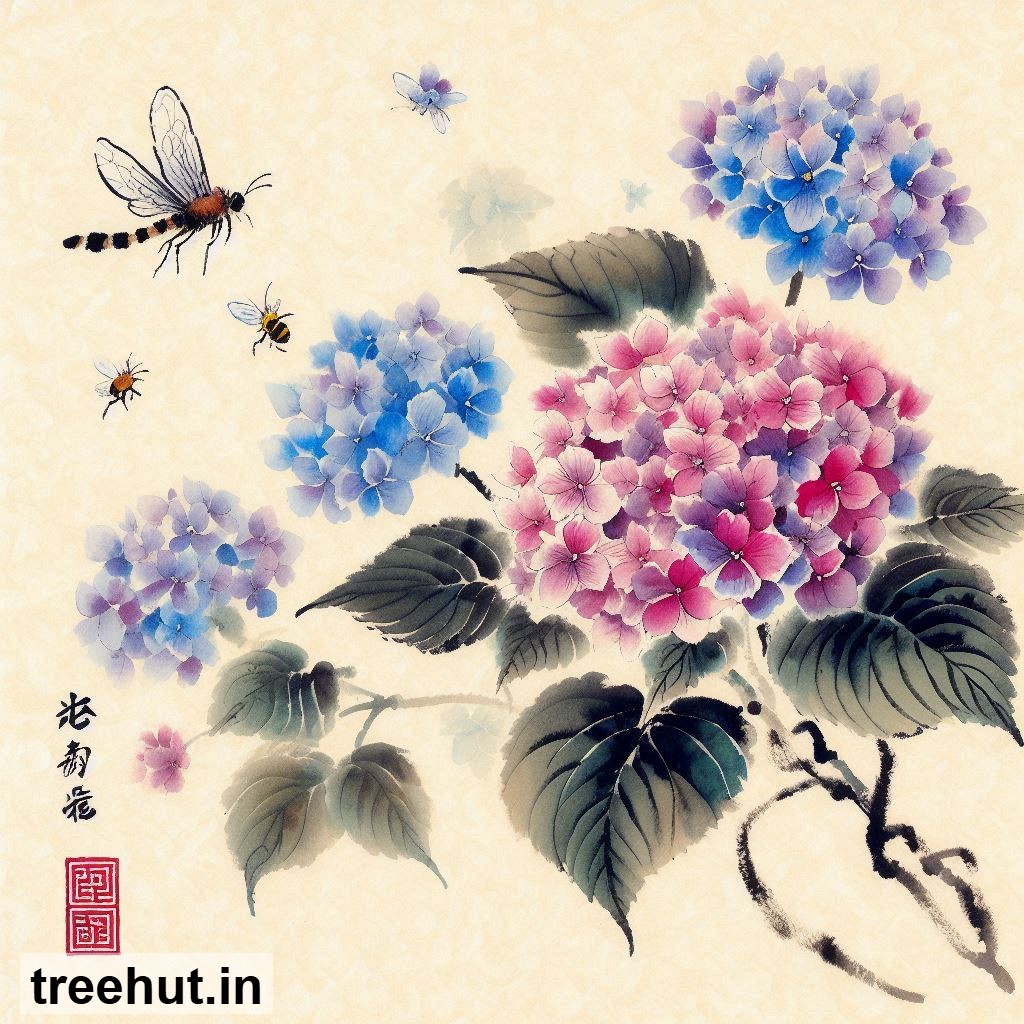
Hibiscus and Dragonfly: A graceful pairing where the fluttering dragonfly emphasizes the light, open structure of the hibiscus flower. Capture the contrast between still petals and the hovering insect with soft gradients and light brush flicks. This design lends itself well to horizontal scrolls or fan paintings, celebrating late summer calmness.
Canna Lily and Garden Rock: A formal balance of natural elegance and stability, the canna’s upward blossoms contrast beautifully with a rugged garden rock. Use textural “cun” strokes for the stone and wet-on-wet blending for leaf curvature. This pairing works especially well in upright, narrow formats.
Tips & Techniques: For flowers like hibiscus and canna, blend mineral pigments gently with water to create petal softness while preserving color richness. Use dry brush for persimmon branches and leaves to mimic seasonal dryness. Practice layering with light ink washes to separate foreground and background without losing clarity. Always pay attention to bloom direction and branch flow to maintain natural balance and rhythm in the composition.
Explore the balance between detail and emptiness—often, what you leave unpainted is as important as what you render. Practice varying ink tones in a single stroke for expressive depth. When composing, follow the “three distances” principle (high, deep, and level) for spatial harmony. Add tonal variation to backgrounds to evoke mist, light, or seasonality without cluttering the scene.
Develop sensitivity to line weight—vary pressure and speed to reflect the spirit (qi) of each subject. Incorporate seals (chops) and inscriptions with thoughtful placement to complete your composition. Avoid symmetry; embrace the natural irregularities found in rocks, trees, and clouds. Revisit historical masters like Ma Yuan or Shen Zhou to study how they conveyed immense emotion with minimal strokes.
Use contrasting textures—smooth washes for sky or water, rough dry brush for rocks or bark. Explore scroll storytelling: a handscroll lets the viewer "travel" through a landscape scene sequentially, while a hanging scroll captures a single, vertical moment. When using color, prefer traditional Chinese pigments and apply with restraint. Study symbolic meanings deeply—every element (from bird type to tree species) carries poetic and philosophical weight.
Practice layered ink washes (“shui mo”) to suggest depth in mist and water. Vary brush pressure to create expressive contrast between hard outlines and soft washes. Use intentional asymmetry to guide the viewer’s eye. Study classical scroll formats for how narrative and movement unfold horizontally or vertically across space. Combine nature with subtle human presence to enhance emotional storytelling.
Explore "poetic pairing"—combining natural elements and creatures that carry symbolic weight (like orchid and butterfly, or fish and lotus). Practice creating rhythm through brush pressure and spacing. Avoid symmetry; aim for dynamic balance using asymmetrical layouts. Mount your work on rice paper, silk, or scrolls to preserve traditional presentation and texture.
Limit your palette—many classical paintings rely on black ink with occasional mineral pigments (verdigris, cinnabar). Learn “cun” (texture stroke) methods to render rocks and mountains. Study scroll formats—horizontal handscrolls tell stories in sequence, while hanging scrolls highlight vertical drama. Allow compositions to "breathe" with space and rhythm, avoiding visual overcrowding.
Practice controlling moisture and pressure to achieve line variation. Use the "flying white" (fei bai) technique for dry brush texture, and the "graded wash" for depth and atmosphere. Reference Song and Ming dynasty painting styles for structure and refinement. Mounting work on silk or scrolls adds traditional presentation value.
Use soft xuan paper and Chinese ink with goat or wolf-hair brushes. Master "bone method" linework (gufa) for structure and "mo" ink technique for tonal variation. Start with basic brush control exercises, and study classical compositions for rhythm and balance. Let white space breathe—the void is as expressive as the form.