








Minimalist Zen Balcony Design Ideas
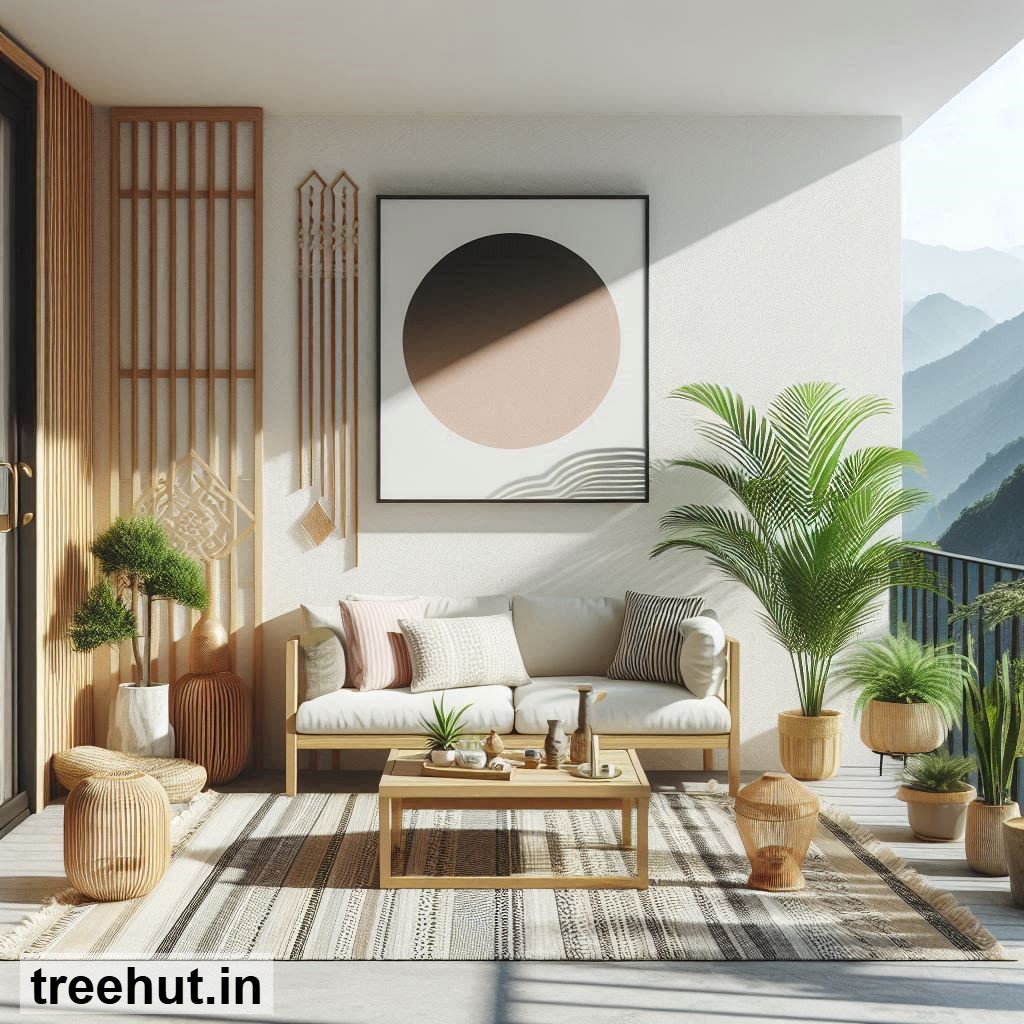
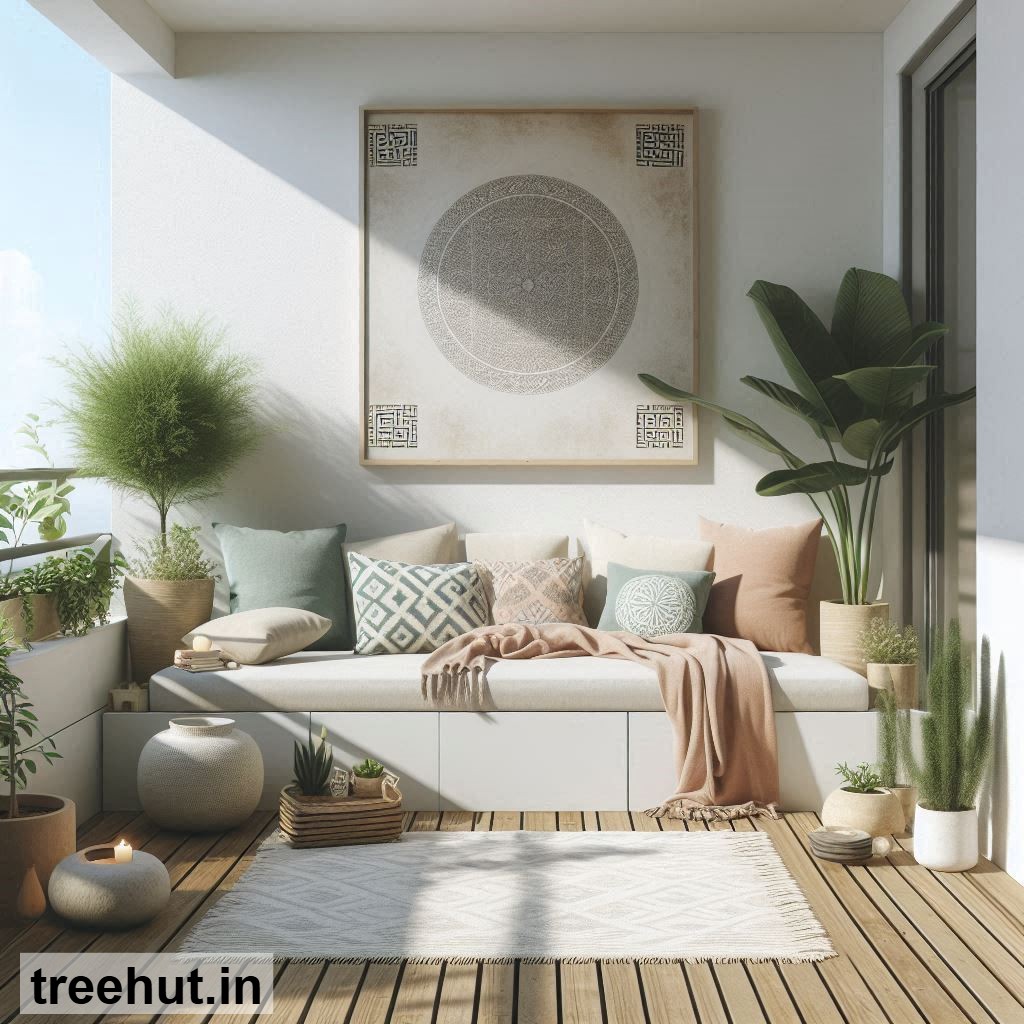
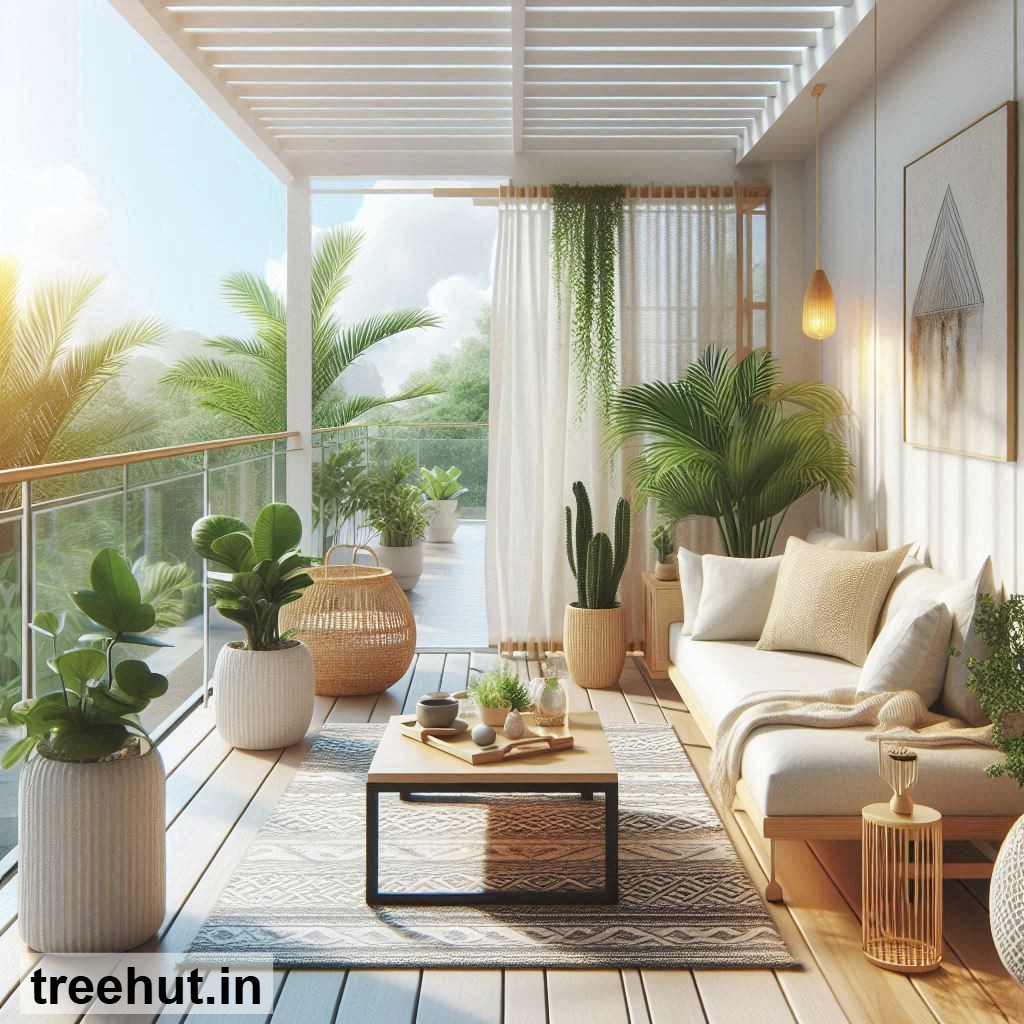
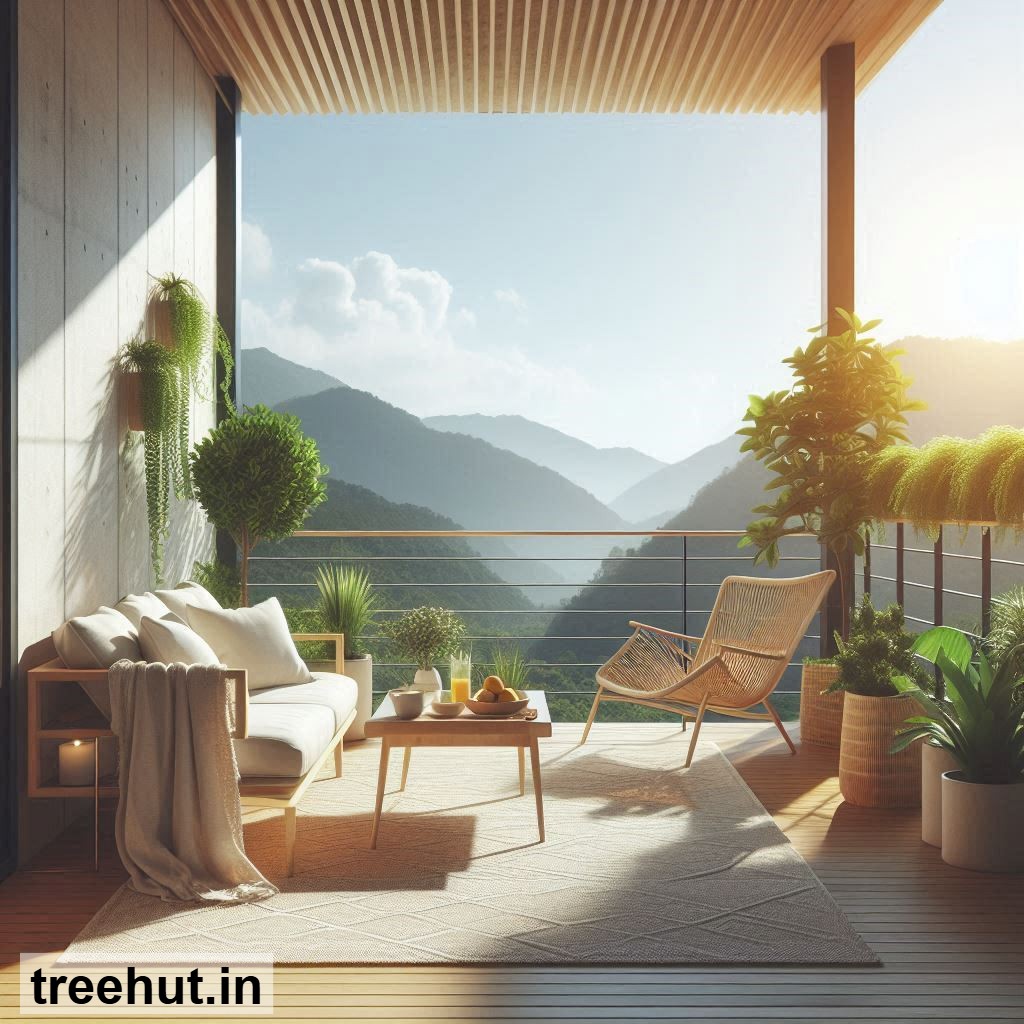
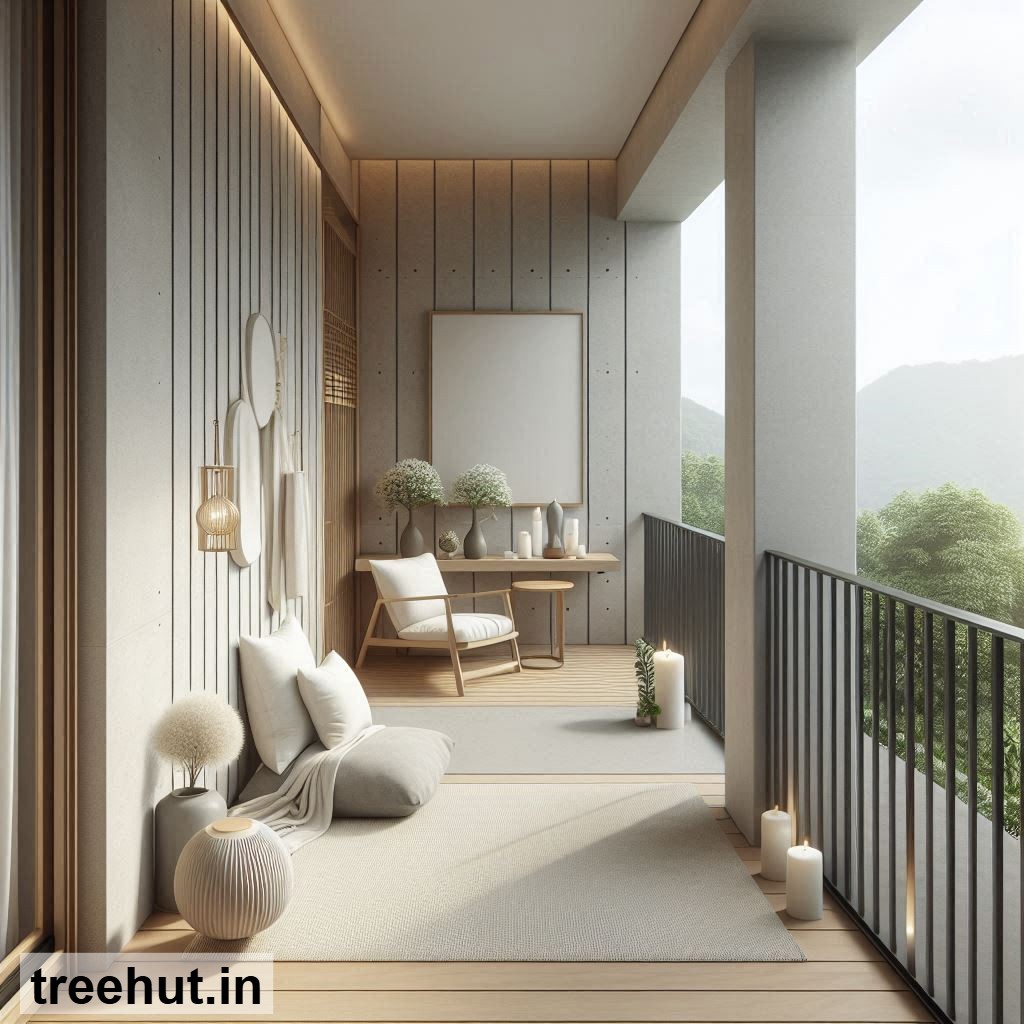
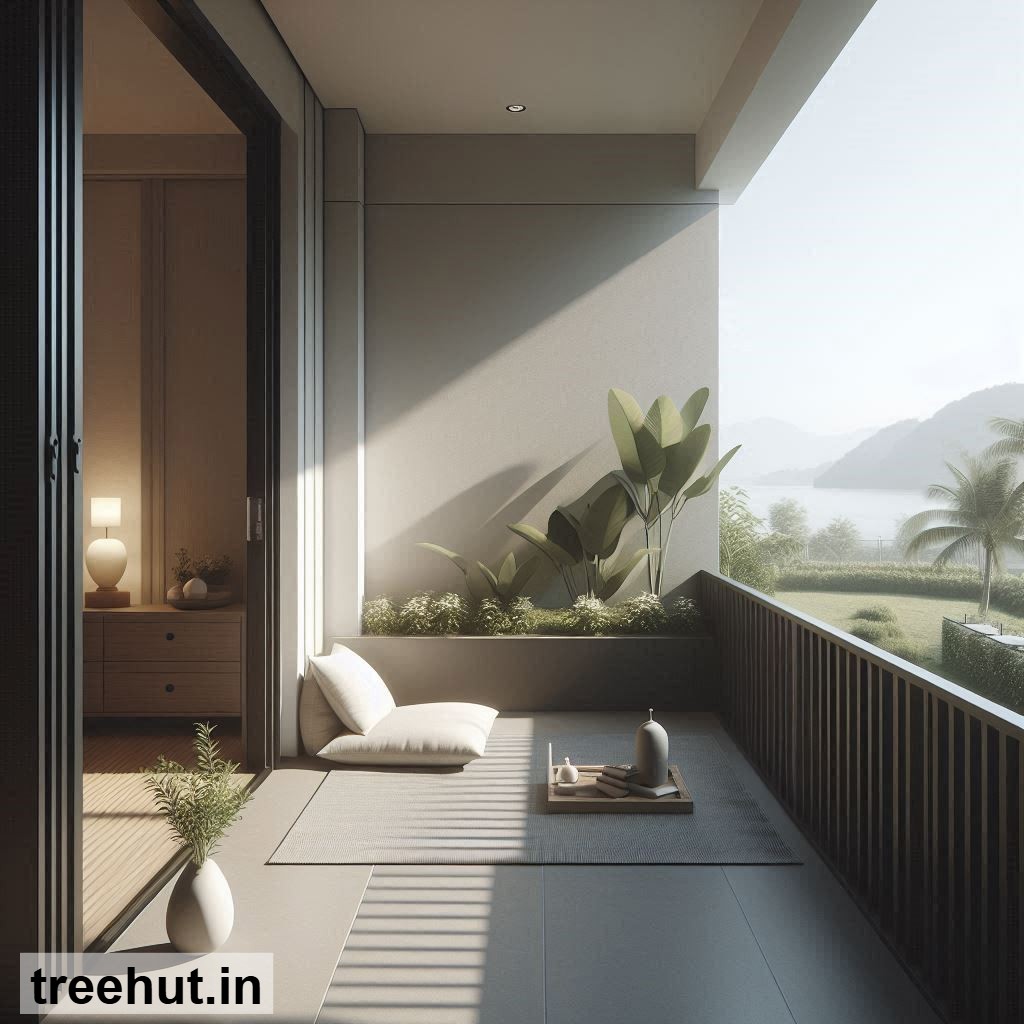
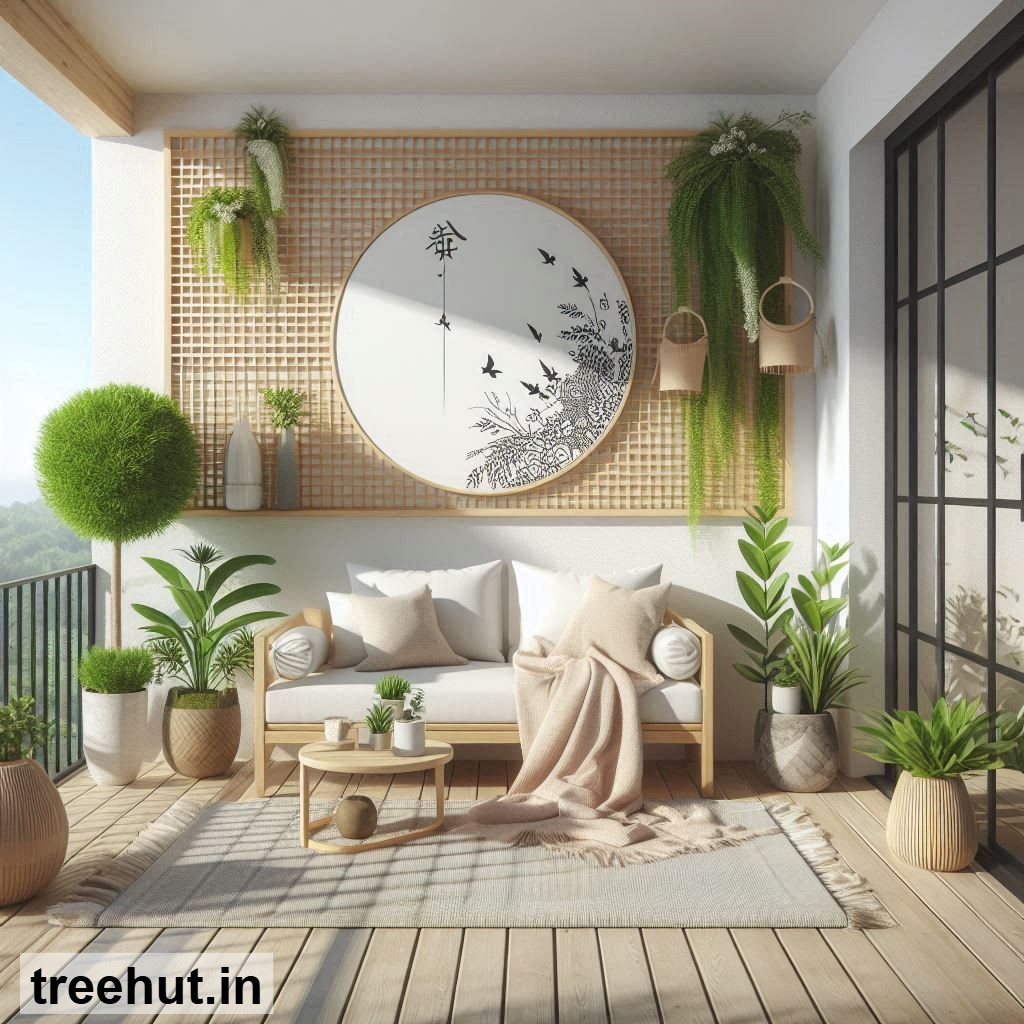
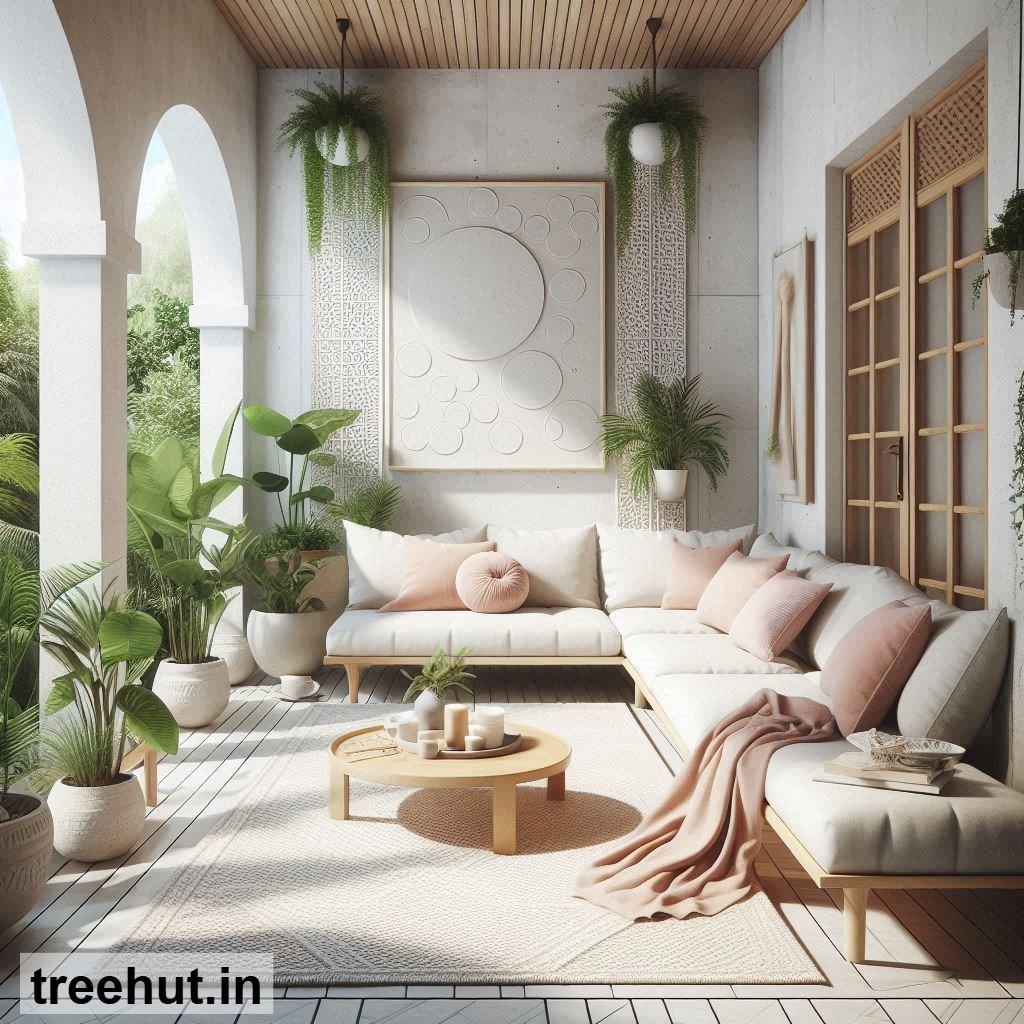
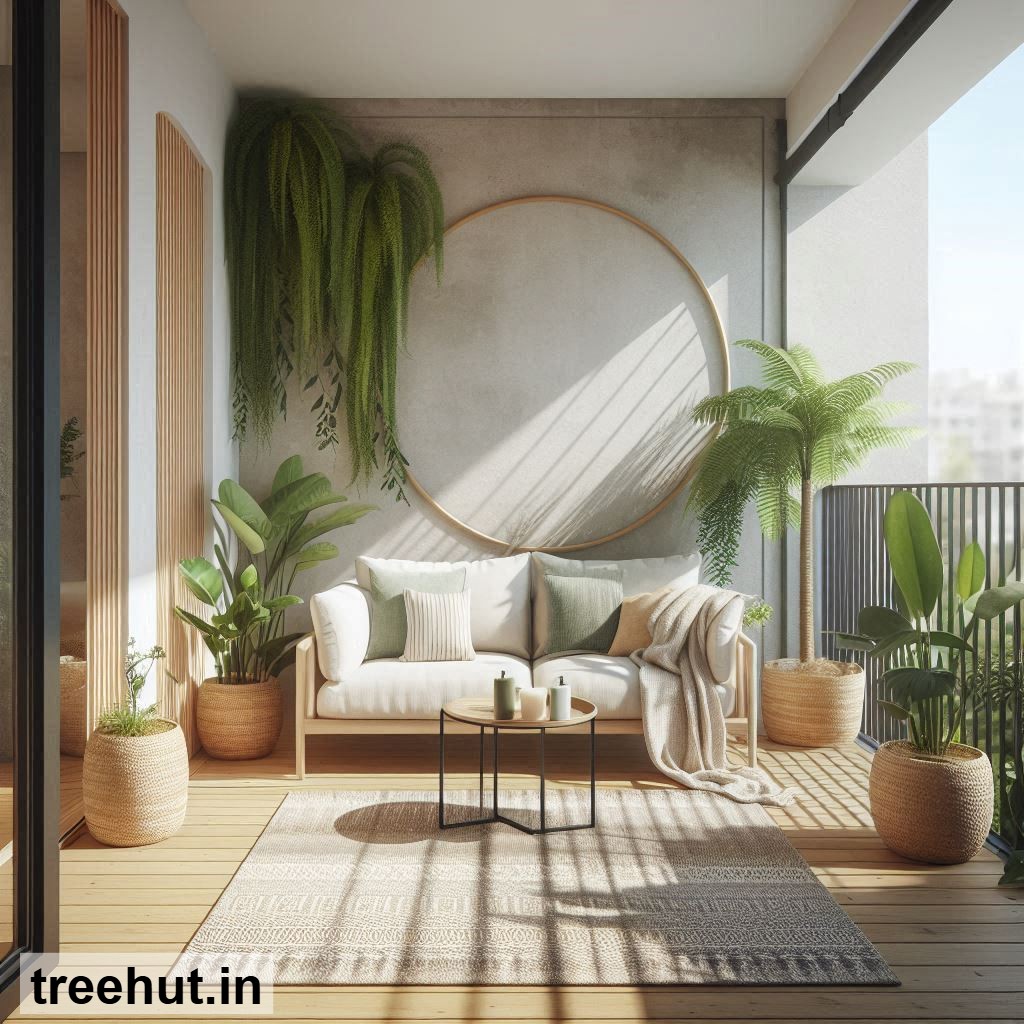
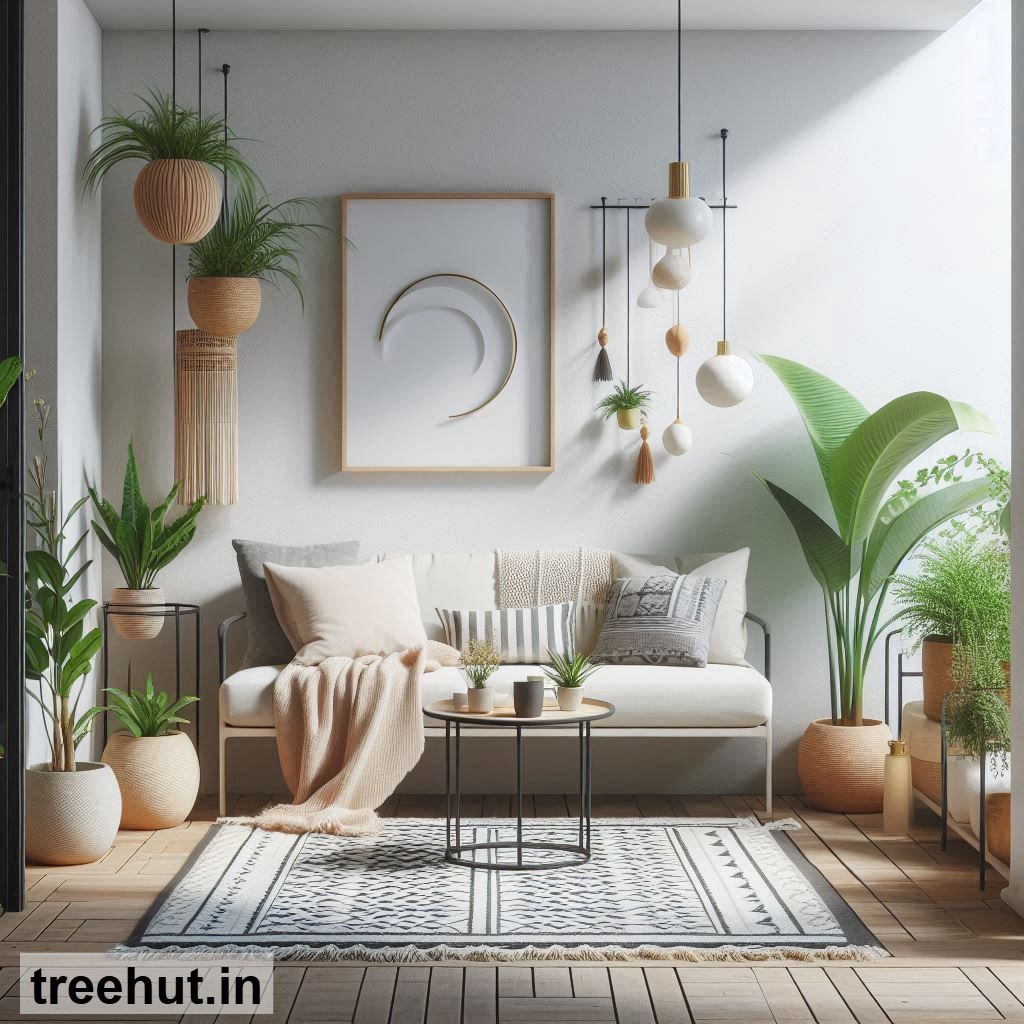
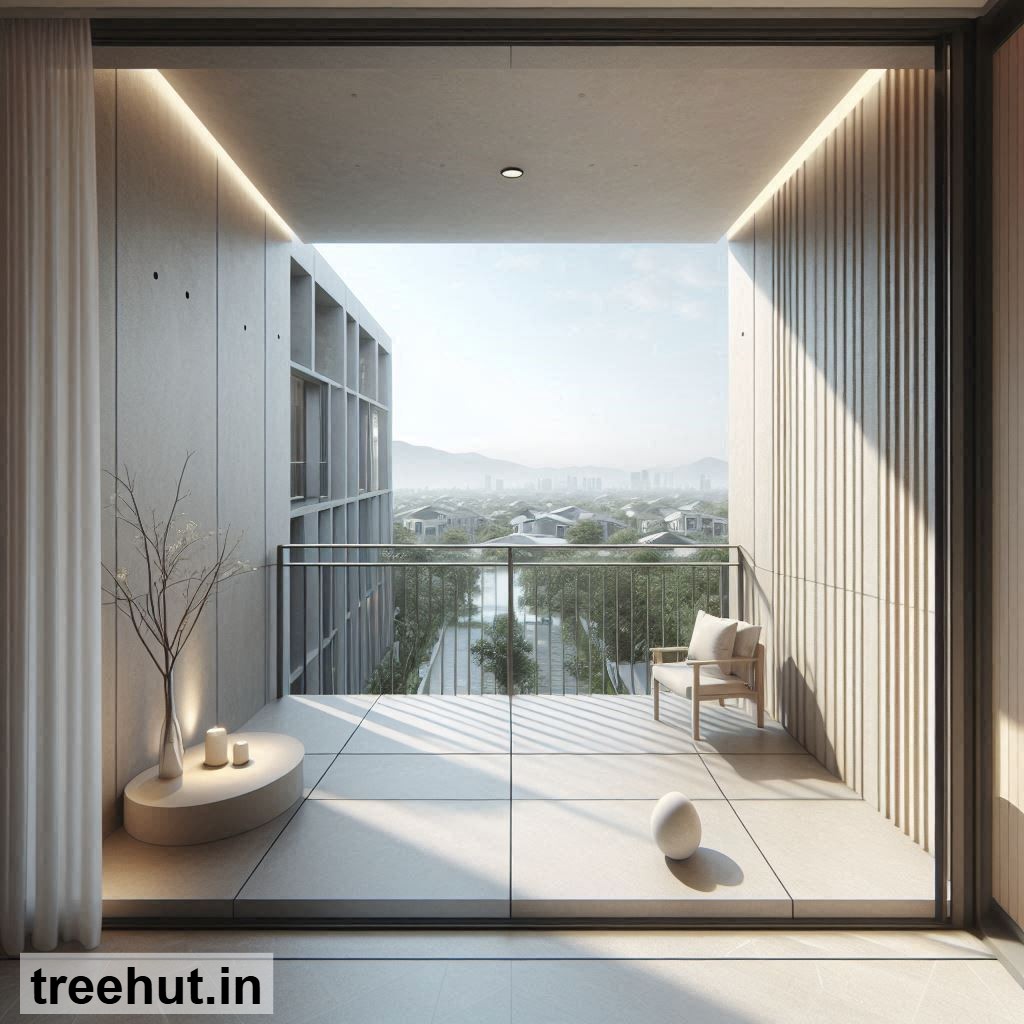
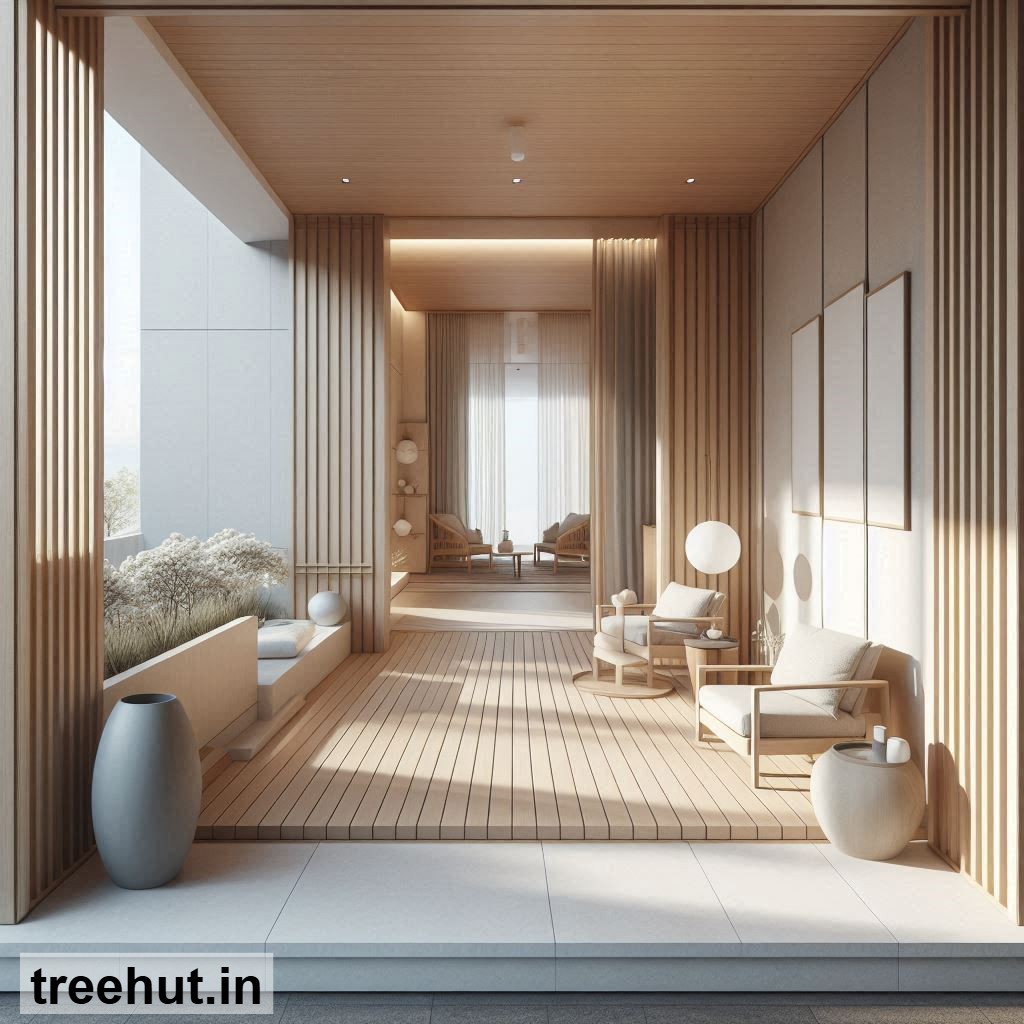
In the fast-paced modern world, a minimalist Zen balcony can serve as a sanctuary of stillness, simplicity, and serenity. Inspired by Japanese and Buddhist philosophies, this design concept focuses on balance, natural materials, and a clutter-free aesthetic that promotes mindfulness and calm. It’s the ideal retreat for high-end homes and urban apartments where space may be limited, but tranquility is unlimited.
Design Philosophy
At its core, the minimalist Zen aesthetic emphasizes simplicity, purpose, and harmony with nature. Every object on your balcony should serve a function—either practical or meditative. Avoid excess; instead, allow empty space to breathe and become part of the design. The ultimate goal is to create a space that invites peaceful contemplation and daily rejuvenation.
Color Palette and Materials
Choose a neutral, earthy color palette with tones such as stone gray, soft beige, bamboo brown, and off-white. Accents of moss green or muted terracotta can add warmth. Natural materials are essential: use bamboo blinds, smooth river stones, teak or acacia wood, and linen cushions. This grounding palette connects the balcony to the rhythms of nature.
Furniture Selection
Opt for low, functional furniture that encourages relaxation and meditative posture. A floor cushion or tatami mat can serve as a quiet reading spot. If you prefer elevated seating, choose sleek wooden or metal-framed chairs with clean lines and no ornate decoration. Keep furniture minimal and multipurpose; for example, a small stone bench can double as seating and a plant stand.
Compact Design for Urban Spaces
Minimalist Zen design is ideal for compact balconies. Use vertical space to avoid floor clutter—hanging planters, wall-mounted shelves, or a vertical bamboo screen can support greenery and decor. Choose foldable furniture and limit the number of items to create a breathable, open feel. Every inch should be intentional and harmonious with the whole space.
Seasonal Flowers and Greenery
Nature is a key component of Zen design. Integrate seasonal plants that reflect the impermanence of life—a core Zen principle. In spring, consider cherry blossoms or potted lilacs for subtle color and fragrance. In summer, bamboo or ornamental grasses sway gently in the breeze. Fall can bring small maples with fiery leaves, while winter may feature evergreens or bare minimalist branches in ceramic vases. Use bonsai trees or moss bowls to maintain greenery year-round without overwhelming the space.
Nighttime Lighting
Subtle lighting enhances the meditative mood of a Zen balcony at night. Avoid harsh overhead lights. Instead, use warm LED string lights, solar lanterns, or recessed deck lighting to create a soft glow. Paper lanterns or salt lamps can add warmth and ambiance without disrupting the tranquility. Lighting should mimic moonlight—gentle and indirect.
Water and Sound Elements
If space and budget allow, add a small tabletop water fountain or a bamboo water feature to incorporate soothing sound. The gentle flow of water can drown out urban noise and foster a deeper sense of peace. Wind chimes made from bamboo or soft metal can provide subtle, melodic sounds that blend with the natural environment.
Decorative Touches
Keep decorations minimal and meaningful. A single stone sculpture, a hand-painted mandala on a wood panel, or a carved wooden Buddha figure may serve as focal points. Avoid cluttering the space with multiple decor items. Instead, let one or two pieces carry symbolic or personal significance. Sand trays with rakes can be meditative and compact additions.
Mindfulness Zones
Designate a section of the balcony as a mindfulness zone—your private corner for yoga, meditation, or journaling. Keep a rolled mat stored in a natural fiber basket, or add a small altar with incense and candles. This dedicated area, no matter how small, serves as a daily invitation to return to stillness and awareness.
Maintenance and Longevity
Minimalist Zen spaces are inherently low-maintenance. Use hardy plants suited to your climate, weather-resistant natural furniture, and washable textiles. The key is regular tidying—sweeping the floor, trimming plants, and keeping items in their place maintains the sense of order and clarity that defines Zen living.
A minimalist Zen balcony invites transformation. This space becomes a sacred retreat from daily noise. Through simplicity, intentionality, and nature, you create a slice of peace that nurtures both body and mind.