




Ocean Birds Bulletin Board Ideas, Door Posters and Classroom Activities
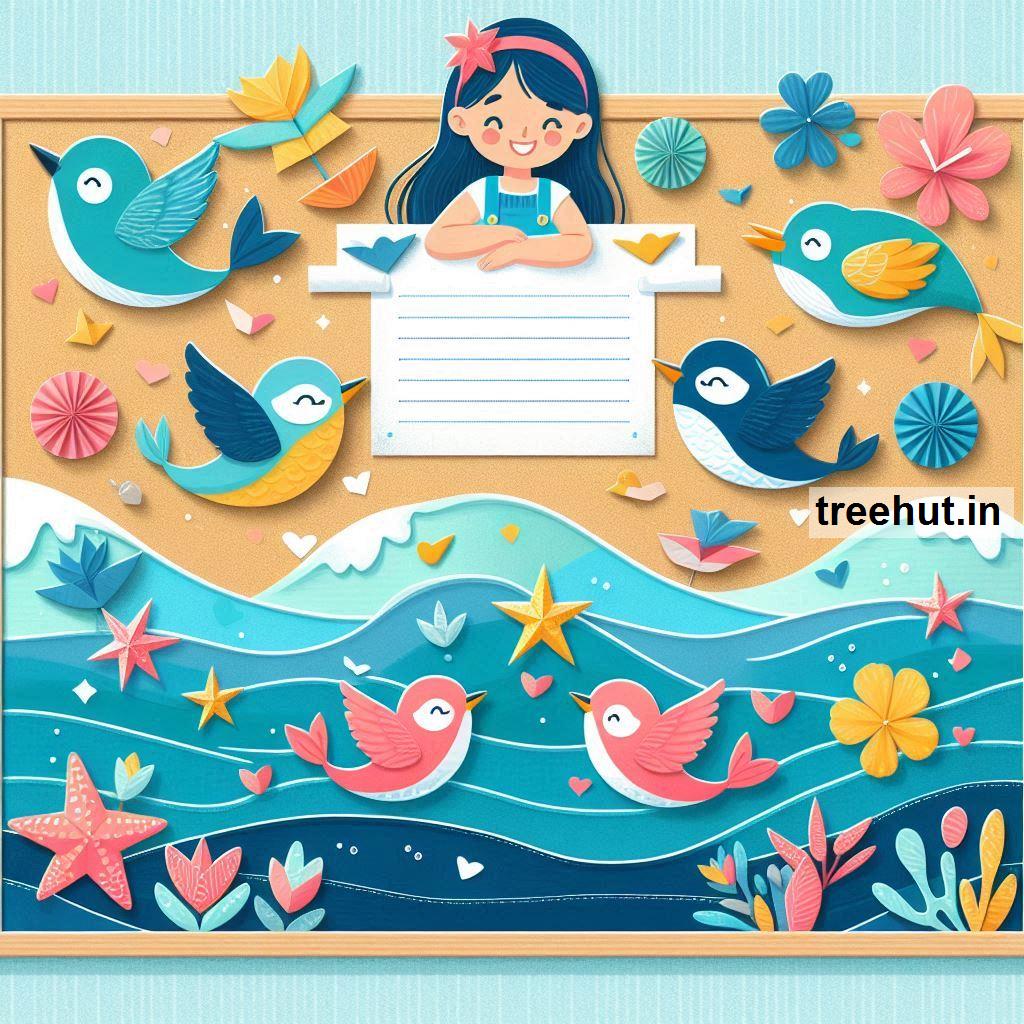
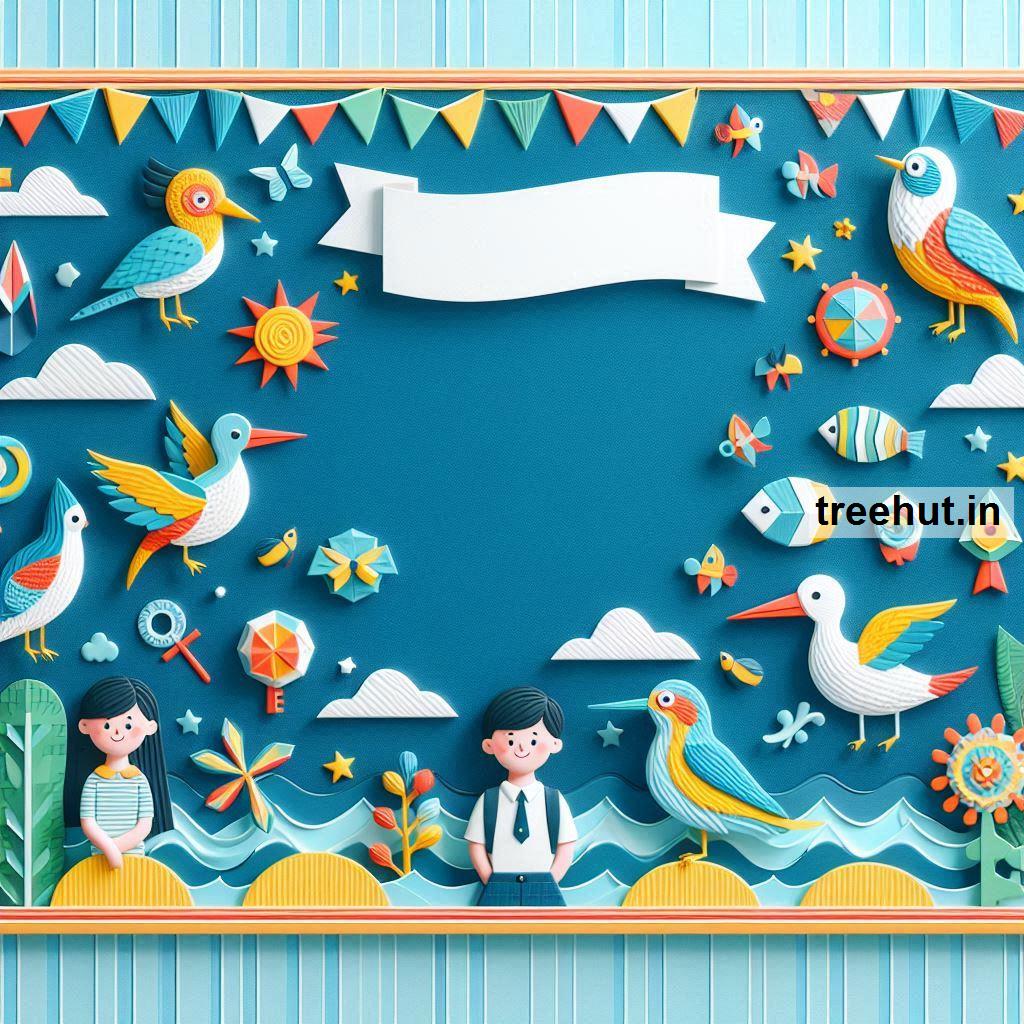
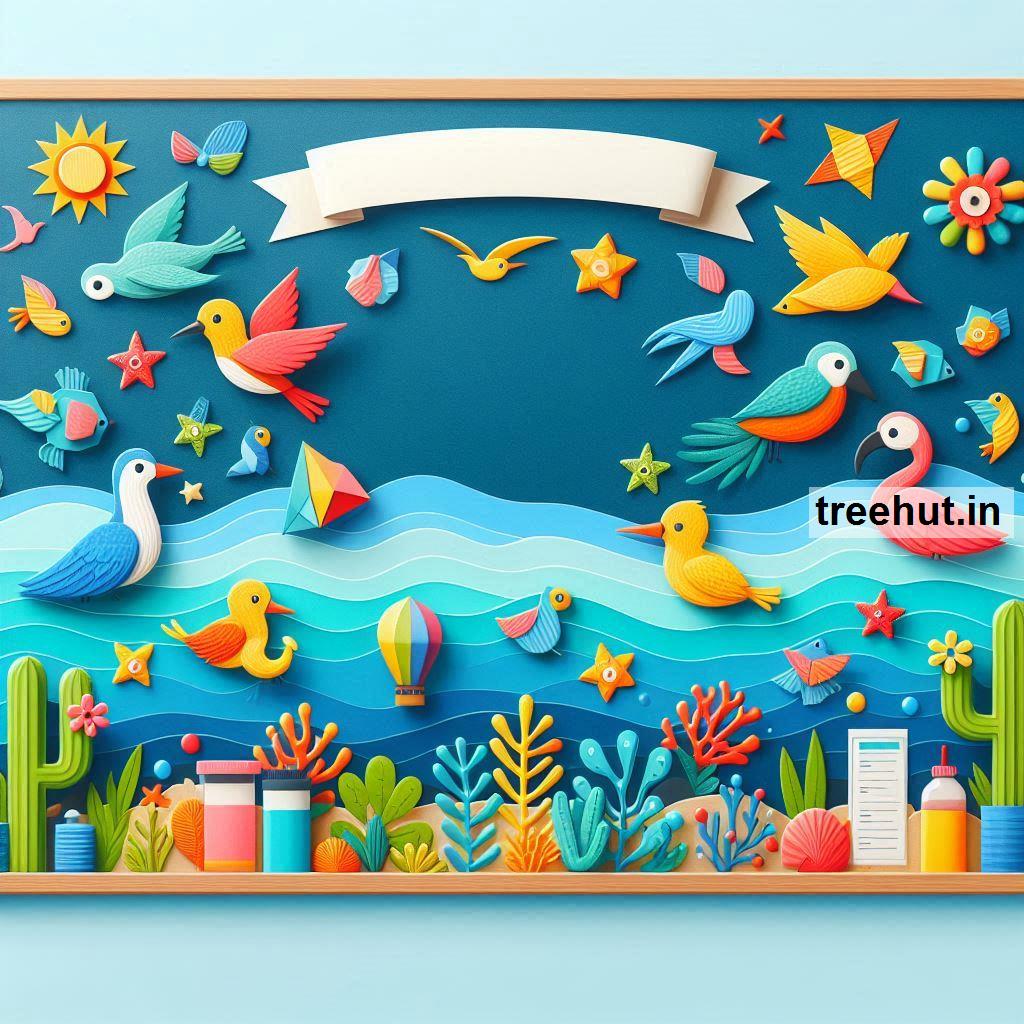
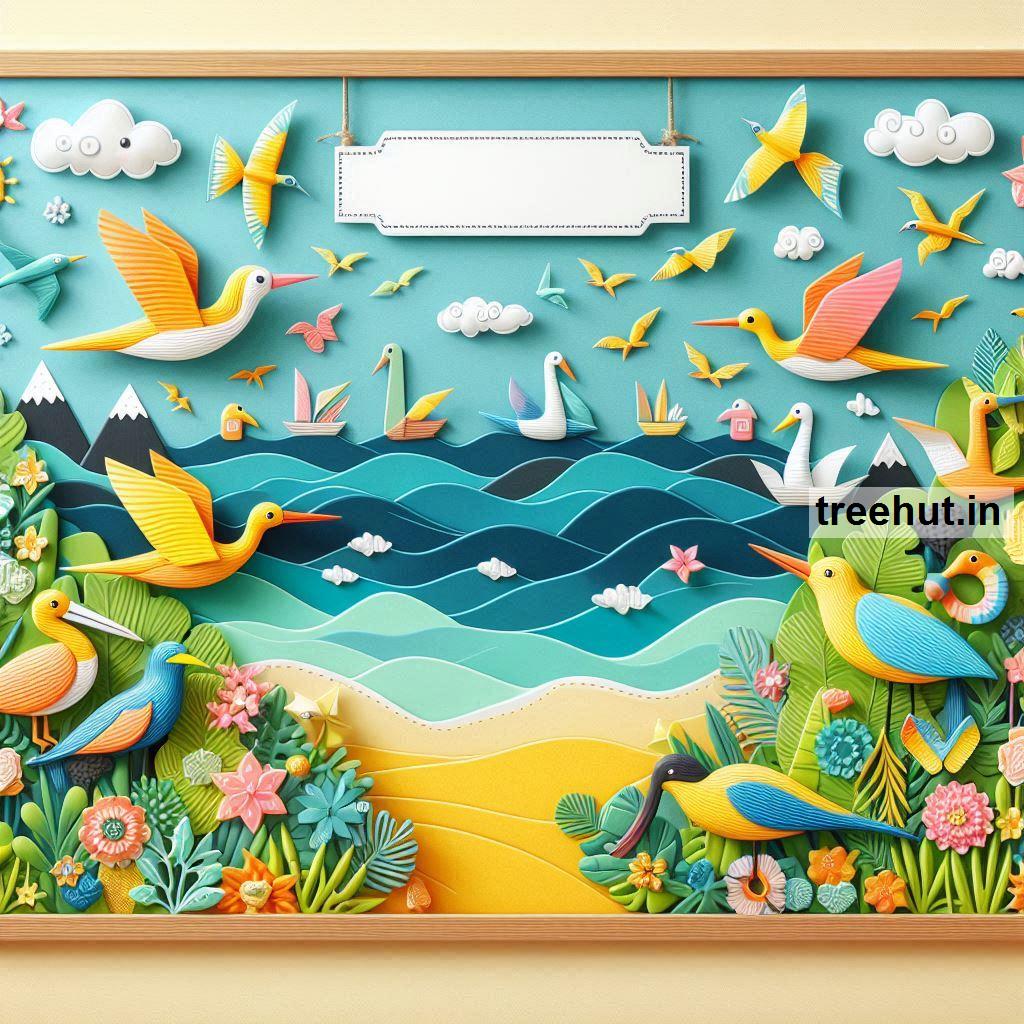
ocean birds-themed bulletin board ideas and classroom activities, perfect for learning about the diverse and fascinating bird species that inhabit ocean ecosystems:
Bulletin Board Ideas:
-
"Seabirds of the World"
- Create a bulletin board that features a variety of ocean birds like seagulls, albatrosses, puffins, pelicans, and terns. Include interesting facts about their habitats, feeding habits, and migratory patterns.
- Activity: Have students pick one seabird, research it, and create a mini-poster with fun facts, a drawing, and where it lives.
-
"Life on the Shore"
- Display images of birds that live along the coastline and interact with both land and sea, such as sandpipers and oystercatchers.
- Activity: Students can create a diorama or collage showing ocean birds interacting with the shoreline, such as nesting on cliffs or searching for food along the beach.
-
"Ocean Bird Migration"
- Highlight the migratory paths of ocean birds, especially species that travel long distances, like the Arctic Tern. Include a map showing their migration routes.
- Activity: Have students create a large map with migration routes drawn on it and place cut-out bird images at key points along the way.
-
"Protecting Our Seabirds"
- Focus on the conservation of ocean bird species and the threats they face, such as pollution and climate change.
- Activity: Students can write letters to local environmental groups or create a "Save the Seabirds" awareness campaign, promoting ways to protect these birds.
-
"Birds of the Ocean’s Food Chain"
- Display a chart or diagram that shows where seabirds fit in the food chain, from plankton to fish and up to the birds themselves.
- Activity: Students can create their own food chain diagrams showing how ocean birds are interconnected with other marine life.
-
"Nesting on the Cliffs"
- Feature birds that nest in coastal cliffs, such as puffins and guillemots. Include photos of their nests and explain how these birds adapt to the harsh cliff-side environment.
- Activity: Have students create paper nests for their chosen ocean bird and add them to the bulletin board as a collaborative piece.
-
"Birds of the High Seas"
- Showcase ocean birds that spend most of their lives far from land, such as albatrosses and shearwaters. Include information about their vast ocean journeys and how they find food.
- Activity: Students can draw these birds soaring across the ocean, or make a spinning albatross with movable wings to show its long flight.
-
"Feeding Habits of Seabirds"
- Display various seabird species along with descriptions of their feeding techniques, such as diving, scavenging, or picking at the shore.
- Activity: Students can act out different feeding techniques or role-play as various seabirds to demonstrate how they find food.
-
"Ocean Birds and Their Adaptations"
- Focus on the unique adaptations of ocean birds, such as webbed feet, waterproof feathers, and specialized bills for catching fish.
- Activity: Have students create illustrations showing the different adaptations of ocean birds and how these help them survive in their environments.
-
"Seabird Facts"
- Display a variety of fun facts about ocean birds, such as the fact that the wandering albatross has the largest wingspan of any living bird, or that penguins are flightless seabirds.
- Activity: Create a quiz with interesting seabird trivia or organize a fact-finding scavenger hunt.
Classroom Activities:
-
Create a Seabird Field Guide
- Activity: Have students choose an ocean bird to research and then create a "Field Guide" with drawings, interesting facts, and information about the bird’s behavior and habitat.
- Extension: Use the field guides in class for a scavenger hunt where students identify ocean birds from pictures or descriptions.
-
Seabird Habitat Diorama
- Activity: Provide materials for students to create a diorama of an ocean bird’s habitat, including cliffs, beaches, or ocean scenes, with birds placed in their natural environment.
- Extension: Students can present their dioramas and explain how their bird adapts to life in the ocean environment.
-
Ocean Bird Sound Matching Game
- Activity: Play audio clips of different ocean birds’ calls (such as gulls, pelicans, or terns) and challenge students to match the sound to the correct bird on a poster or chart.
- Extension: Students can then try mimicking the sounds and explain what each call might mean in the bird's communication.
-
Ocean Bird Migration Map
- Activity: Create a classroom map and mark migratory paths for seabirds like the Arctic Tern, which migrates annually from the Arctic to the Antarctic.
- Extension: Students can use colored string to connect key locations and mark stopping points along the way.
-
Seabird Adaptation Art
- Activity: Teach students about the unique adaptations of ocean birds (like webbed feet for swimming or beaks for fishing). Then, have them draw their bird with an emphasis on these adaptations.
- Extension: Students can make models or 3D representations of the birds using craft supplies.
-
Bird Watching Journals
- Activity: Take the class on a bird-watching trip (either in-person or virtual). Have students keep journals to note observations of any seabirds they see.
- Extension: Students can research and draw the birds they observe, documenting their characteristics and behaviors.
-
Penguin Pals Activity
- Activity: Focus on penguins as the most well-known flightless seabirds. Have students create their own penguin character and write a short story or poem about their penguin’s ocean adventures.
- Extension: Organize a "Penguin Parade" where students dress up like penguins and present their stories.
-
Seabird Conservation Campaign
- Activity: Teach students about the environmental challenges that ocean birds face, such as plastic pollution and climate change. Then, have them create posters or a presentation on how to help protect seabirds.
- Extension: Students can write letters to local organizations about how to promote awareness of seabird conservation.
-
Seabird Migration Simulation
- Activity: Set up an interactive classroom game where students “migrate” as seabirds. Mark out a large “migration path” around the classroom, with obstacles like storms or lack of food, to simulate the challenges seabirds face during migration.
- Extension: Discuss how human activities, such as pollution or habitat destruction, can impact migratory birds’ routes.
-
Ocean Bird Art and Poetry
- Activity: Have students create visual art or write poems inspired by seabirds. Encourage them to use vibrant colors or descriptive language to reflect the beauty and movement of birds over the ocean.
- Extension: Combine their art and poetry to create a class "Ocean Birds" art gallery or poetry book.
Additional Classroom Extensions:
- Seabird Migration Timeline: Create a timeline of the migratory journey for seabirds like the Arctic Tern. Mark milestones like breeding seasons, migration stops, and ocean crossings.
- Seabird Video and Discussion: Show a documentary or video about seabirds, then hold a class discussion about the challenges they face and what we can do to help them.
These ocean bird-themed bulletin boards and classroom activities offer a fun and educational way for students to engage with the diverse and fascinating world of seabirds.