


Panda Bulletin Board Ideas, Door Posters and Classroom Activities
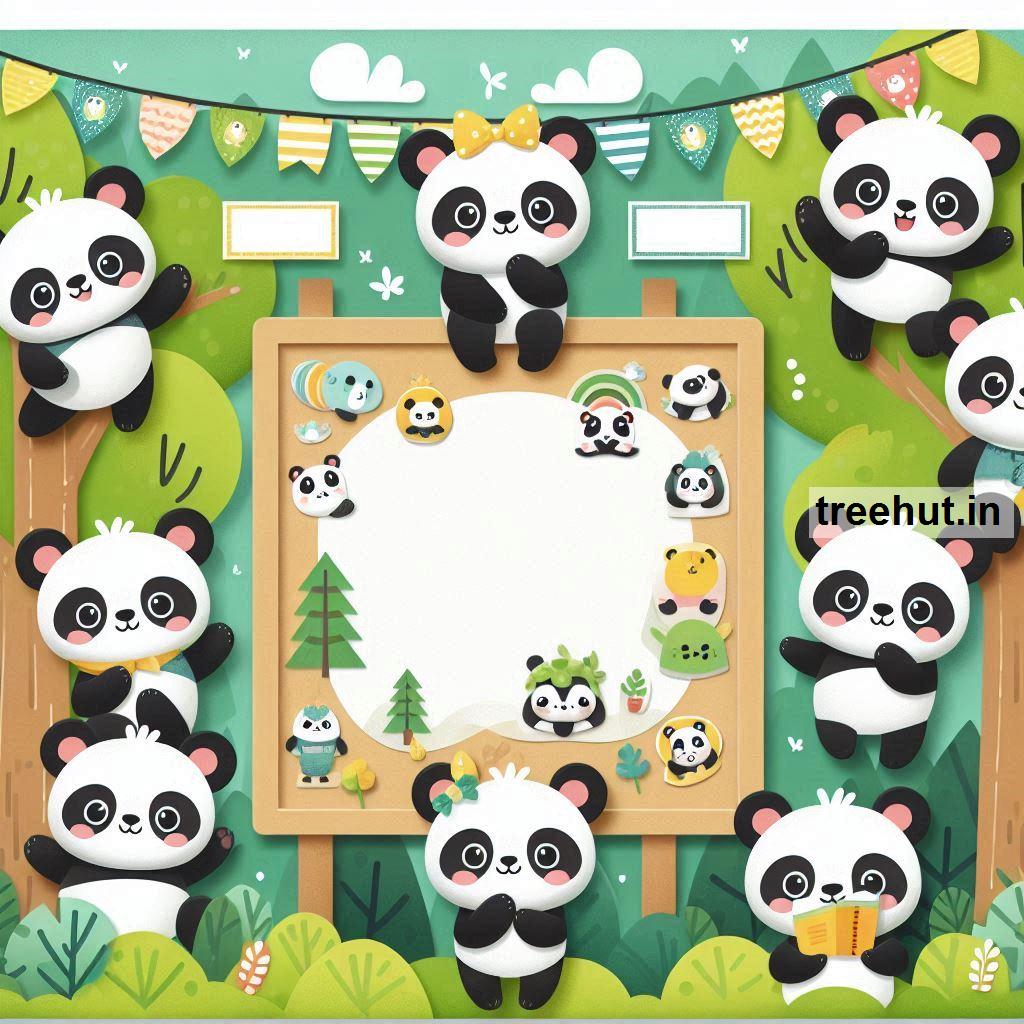
Panda-themed bulletin board ideas and classroom activities that focus on these beloved animals, their habitat, and their importance in nature:
Bulletin Board Ideas:
-
"Panda Facts"
- Display a board filled with fun facts about pandas, such as their diet of bamboo, how much they sleep, and their endangered status.
- Activity: Students can contribute a new fact about pandas they learn each week. This can be a year-long project where students add new discoveries to the board.
-
"Pandas in the Wild"
- Feature images of pandas in their natural habitat, the bamboo forests of China. Highlight the different aspects of their environment and what makes it ideal for pandas.
- Activity: Have students draw their own panda habitats or create a 3D diorama of a bamboo forest.
-
"Panda Life Cycle"
- Show the stages of a panda's life, from cub to adult, with illustrations of pandas at each stage.
- Activity: Students can create a life cycle chart or timeline for pandas, labeling each stage and drawing their own pictures.
-
"Endangered Pandas"
- Highlight the endangered status of pandas and what is being done to help protect them. Use images of pandas with facts about conservation efforts.
- Activity: Students can create posters about endangered species or write letters to raise awareness about panda conservation.
-
"Pandas Around the World"
- Display images of pandas and map their locations on a world map to show where pandas live (mainly China).
- Activity: Students can learn about the countries where pandas are found and mark them on a map. You can also have them create a scrapbook with facts about pandas in different countries.
-
"Panda's Favorite Foods"
- Create a display with pictures of pandas eating bamboo and other foods they enjoy. Include information about how pandas eat up to 40 pounds of bamboo per day.
- Activity: Students can make a collage of panda food or create a "menu" for a panda restaurant, featuring different bamboo types and other panda snacks.
-
"Panda Pals"
- Display pandas in pairs or groups, highlighting how pandas are solitary animals but can be seen in pairs during the breeding season.
- Activity: Have students create "Panda Pal" drawings or crafts and share facts about panda behavior and relationships.
-
"Panda Habitat Diorama"
- Create a 3D diorama of a panda’s habitat, including bamboo, trees, and other wildlife that live in the same area.
- Activity: Students can each build their own diorama of a panda's habitat, using materials like construction paper, cotton balls, and natural elements.
-
"Panda Puzzles"
- Display different parts of a panda (like a head, body, and legs) that can be put together as a puzzle.
- Activity: Students can work together to assemble a large panda puzzle, and each student can research a different part of the panda to present to the class.
-
"Panda Playtime"
- Show pandas playing in the wild or in zoos, displaying their playful behavior, which is a huge part of their charm.
- Activity: Have students act out "panda playtime" by pretending to be pandas. They can engage in activities such as rolling around and climbing, just like pandas do.
Classroom Activities:
-
Panda Research Project
- Activity: Assign each student or group to research different aspects of pandas, such as their habitat, diet, behavior, or conservation efforts. They can present their findings in a short report or create a poster.
- Extension: Have students compare pandas with other animals that live in similar habitats, such as red pandas, and discuss how pandas differ from other species.
-
Panda Craft
- Activity: Provide students with materials like paper, glue, googly eyes, and cotton balls to create their own panda crafts. Students can make paper plate pandas, panda masks, or paper cut-out pandas.
- Extension: Students can add fun facts about pandas to their crafts and share these facts with the class.
-
Panda Life Cycle
- Activity: Have students create a life cycle chart of a panda using pictures or drawings to represent each stage (egg, cub, juvenile, adult).
- Extension: Students can learn about the gestation period of a panda and create a timeline for the life cycle of pandas.
-
Bamboo Hunt
- Activity: Use small cut-out pieces of "bamboo" and hide them around the classroom. Each piece will have a fact about pandas written on it. Students will go on a bamboo hunt to find the pieces and learn about pandas as they discover new facts.
- Extension: Students can write their own panda facts on bamboo pieces to contribute to the game.
-
Panda's Diet
- Activity: Teach students about the panda’s diet, which primarily consists of bamboo. Students can create a "menu" for a panda restaurant, including different types of bamboo and other foods pandas might eat.
- Extension: Have students role-play as pandas eating different bamboo dishes, and have them explain why pandas prefer bamboo over other foods.
-
Panda Conservation Poster
- Activity: Have students create posters about panda conservation and the efforts to protect pandas from extinction. They can use facts, images, and catchy phrases to raise awareness.
- Extension: Hold a poster contest where students vote on the best designs to display in the classroom or around the school.
-
Panda Puzzles and Games
- Activity: Use panda-themed puzzles or games to help students learn about pandas while having fun. These can include matching games, word searches, or crossword puzzles with panda-related terms.
- Extension: Students can create their own panda puzzles for the class to solve.
-
Panda-Themed Storytelling
- Activity: Encourage students to create stories about pandas. They could write about a day in the life of a panda, a panda's adventures, or how pandas might help other animals in the wild.
- Extension: Have students act out their stories in class or illustrate them for a class book about pandas.
-
Panda Olympics
- Activity: Create a series of "Panda Olympics" activities that mimic how pandas move or play. Activities could include "bamboo balancing" (balancing a bamboo stick), "rolling like a panda," or "panda hide and seek."
- Extension: Discuss how pandas' movements and behavior are unique compared to other animals.
-
Panda Tracking
- Activity: Introduce students to how conservationists track pandas in the wild to monitor their movements. Students can create their own "tracking maps" and learn how pandas move through their habitats.
- Extension: Have students simulate tracking an animal by following clues around the classroom or playground.
These panda-themed bulletin boards and classroom activities will engage students in learning about pandas, their habitats, and the importance of conservation efforts to protect these amazing creatures.