

Diwali Rangoli Decoration Ideas with Uruli and Fresh Flowers and 80 Diwali Rangoli techniques for Kids' Classroom Activities
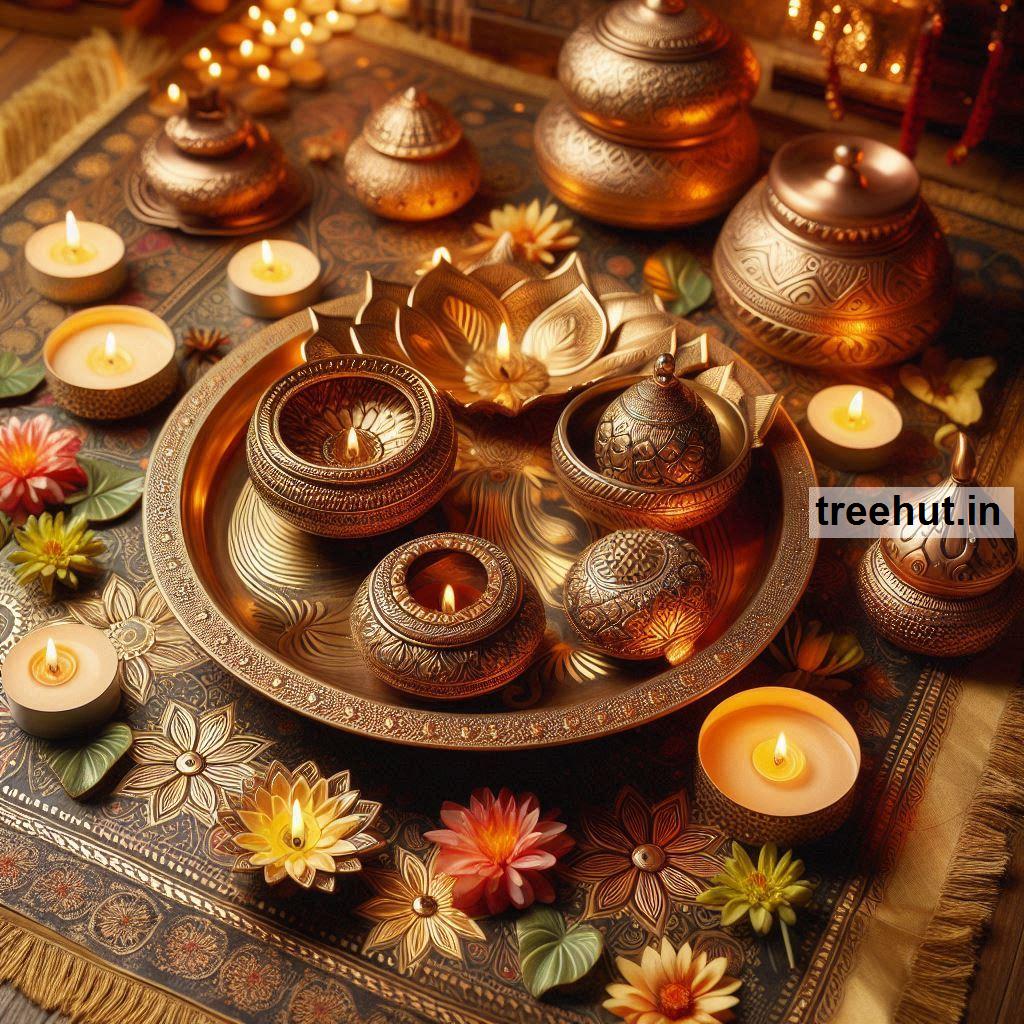
Diwali decoration ideas using urulis (traditional Indian brass or metal bowls) along with fresh flowers and 80 techniques for creating Rangoli with urulis. These ideas will help you create a beautiful and festive atmosphere for Diwali celebrations.
Diwali Decoration Ideas with Urulis and Fresh Flowers
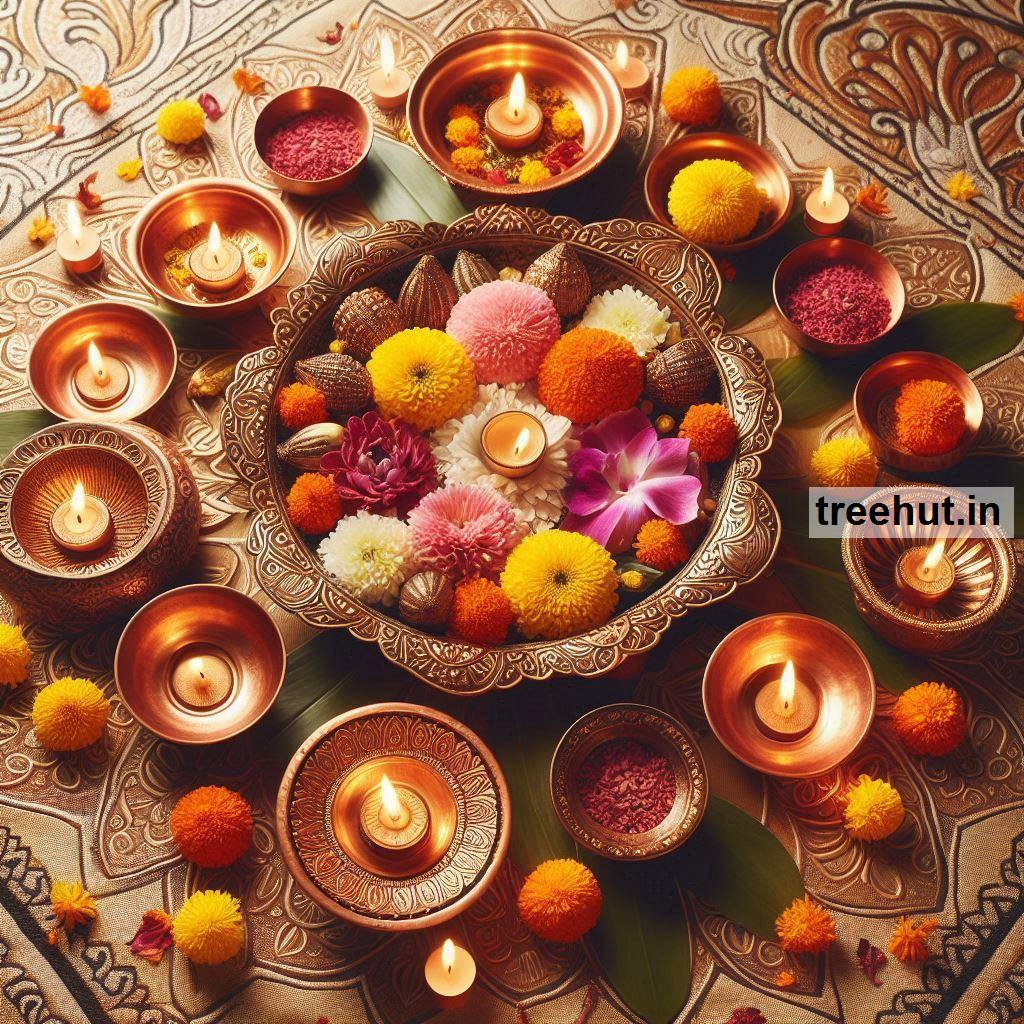
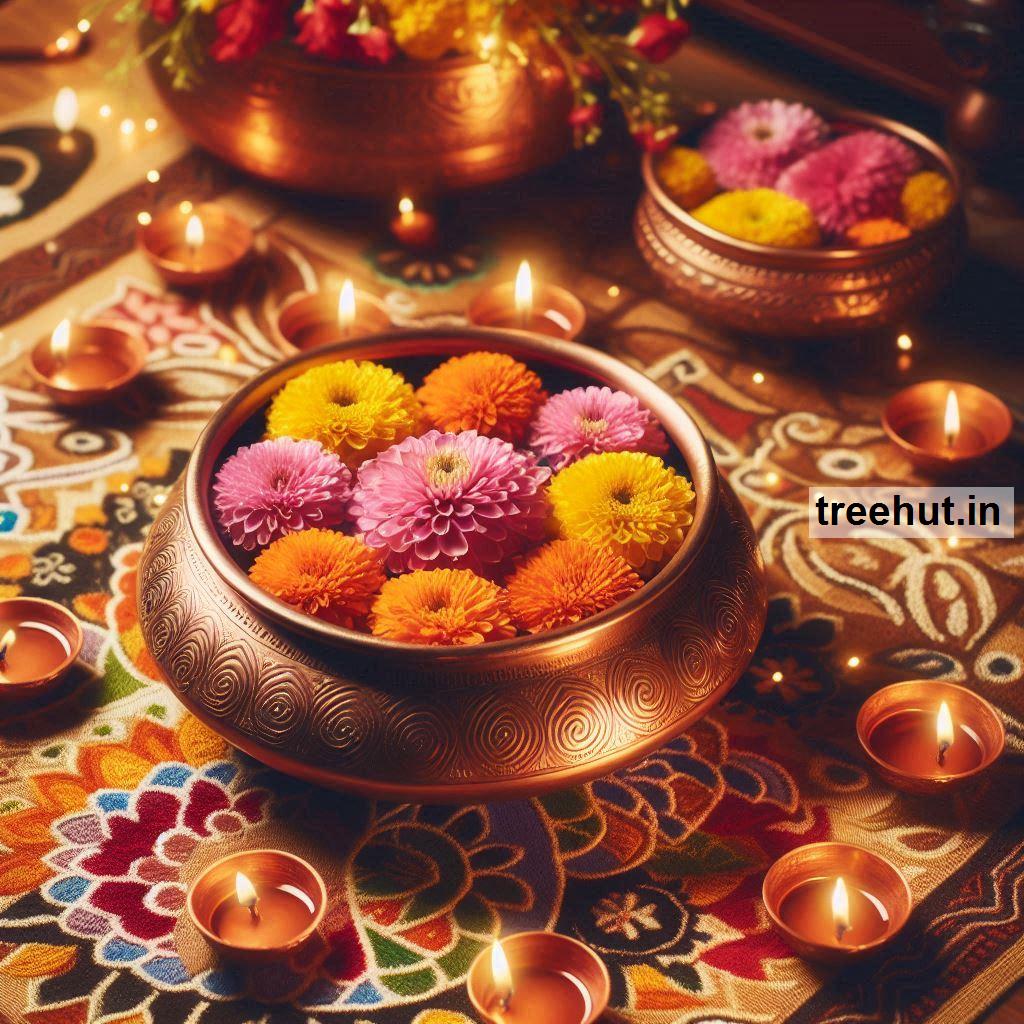
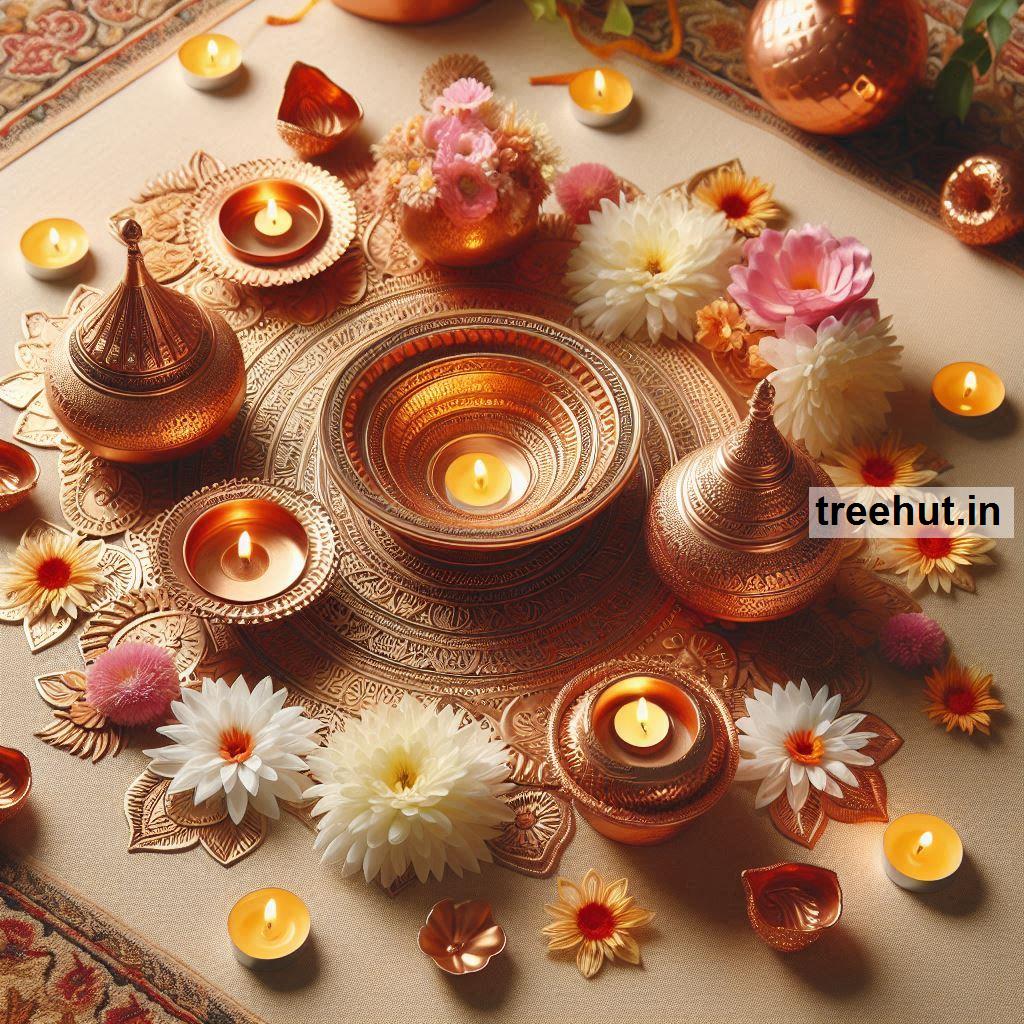
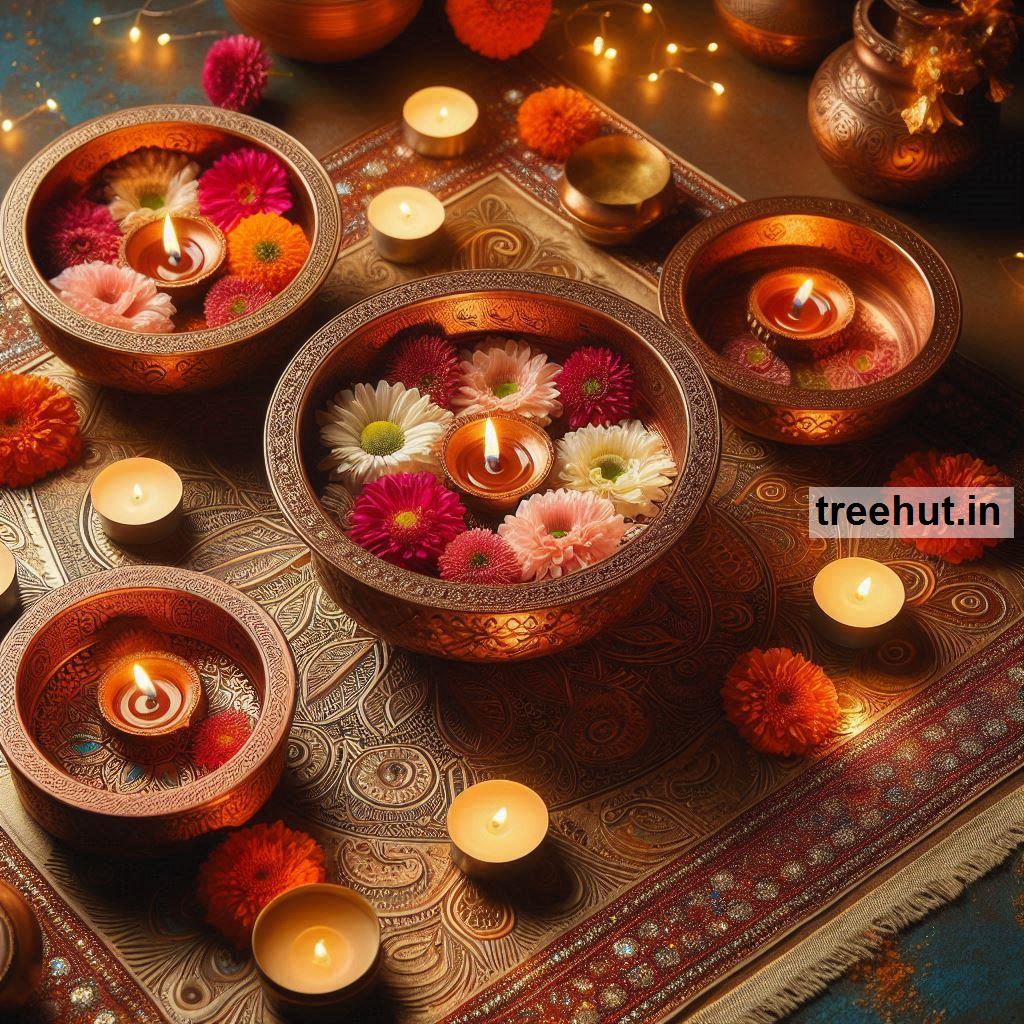
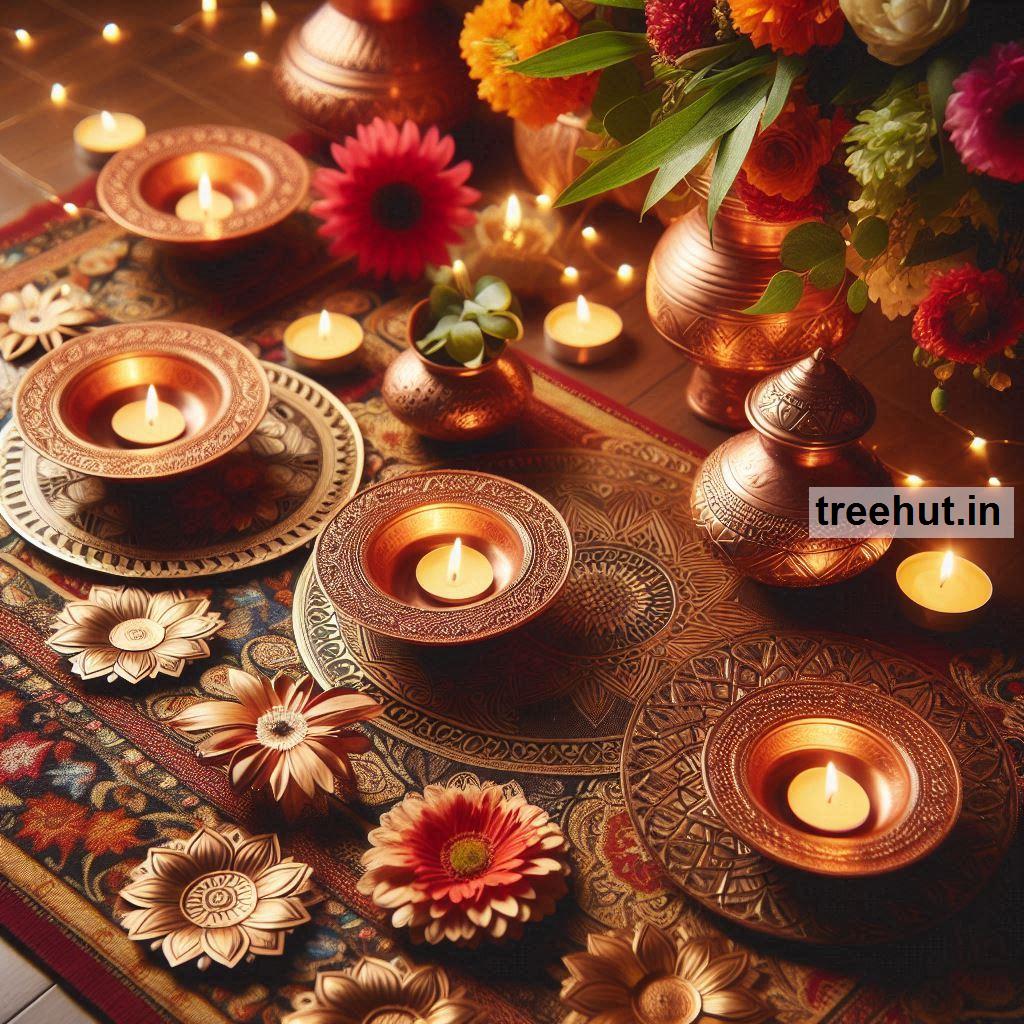
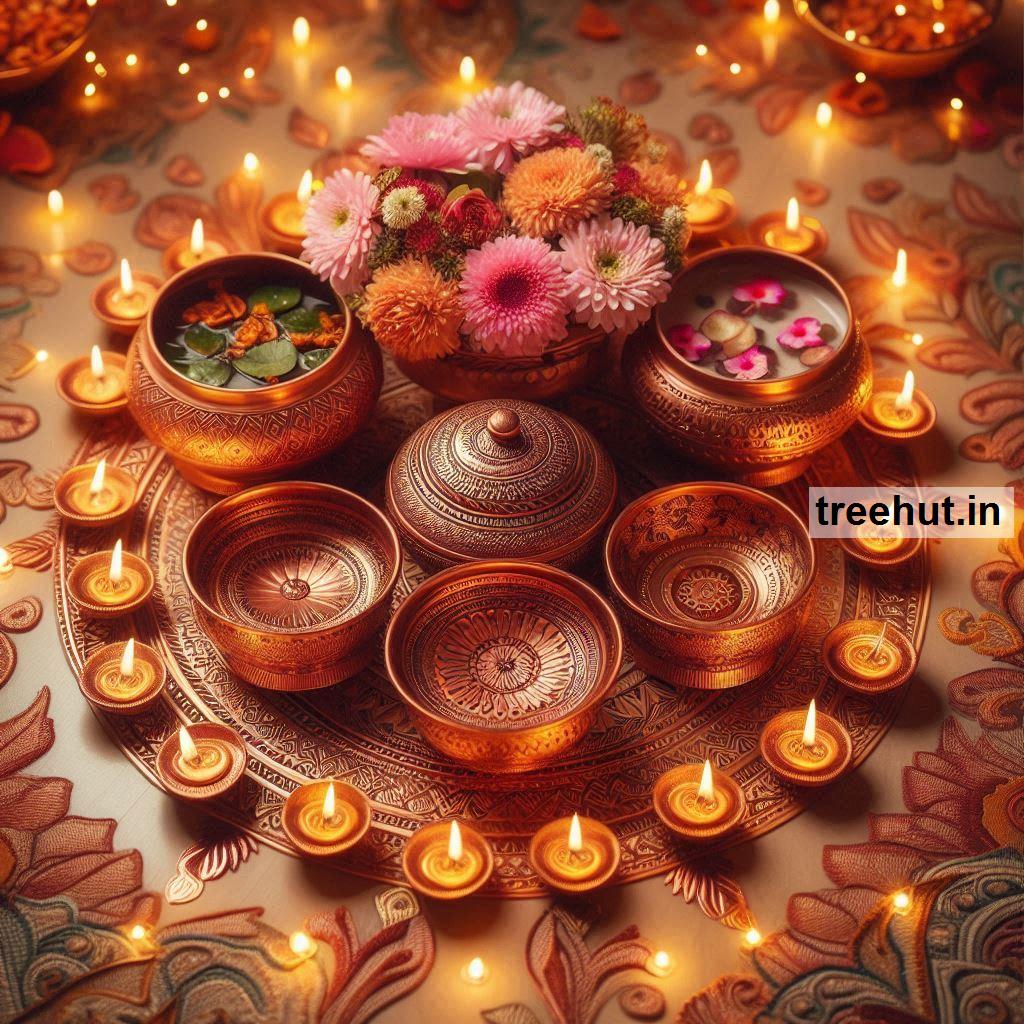
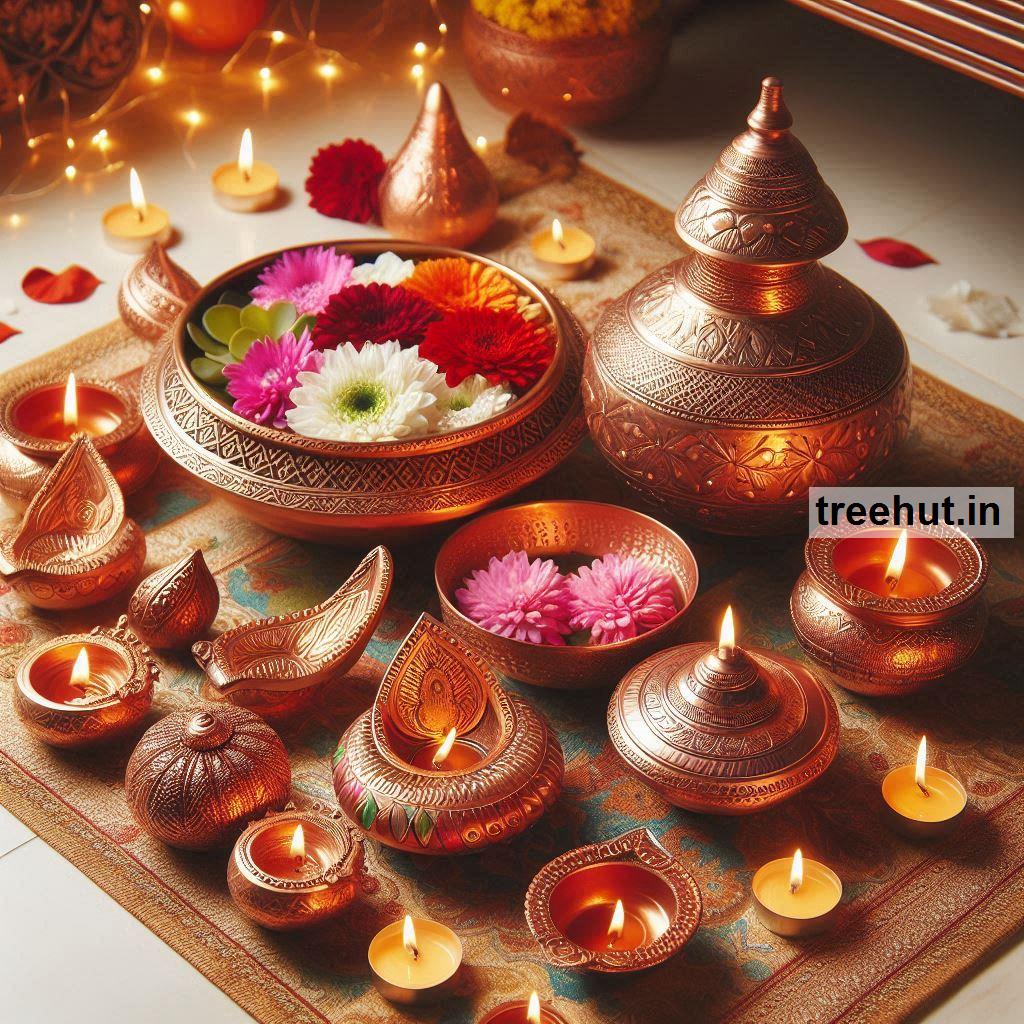
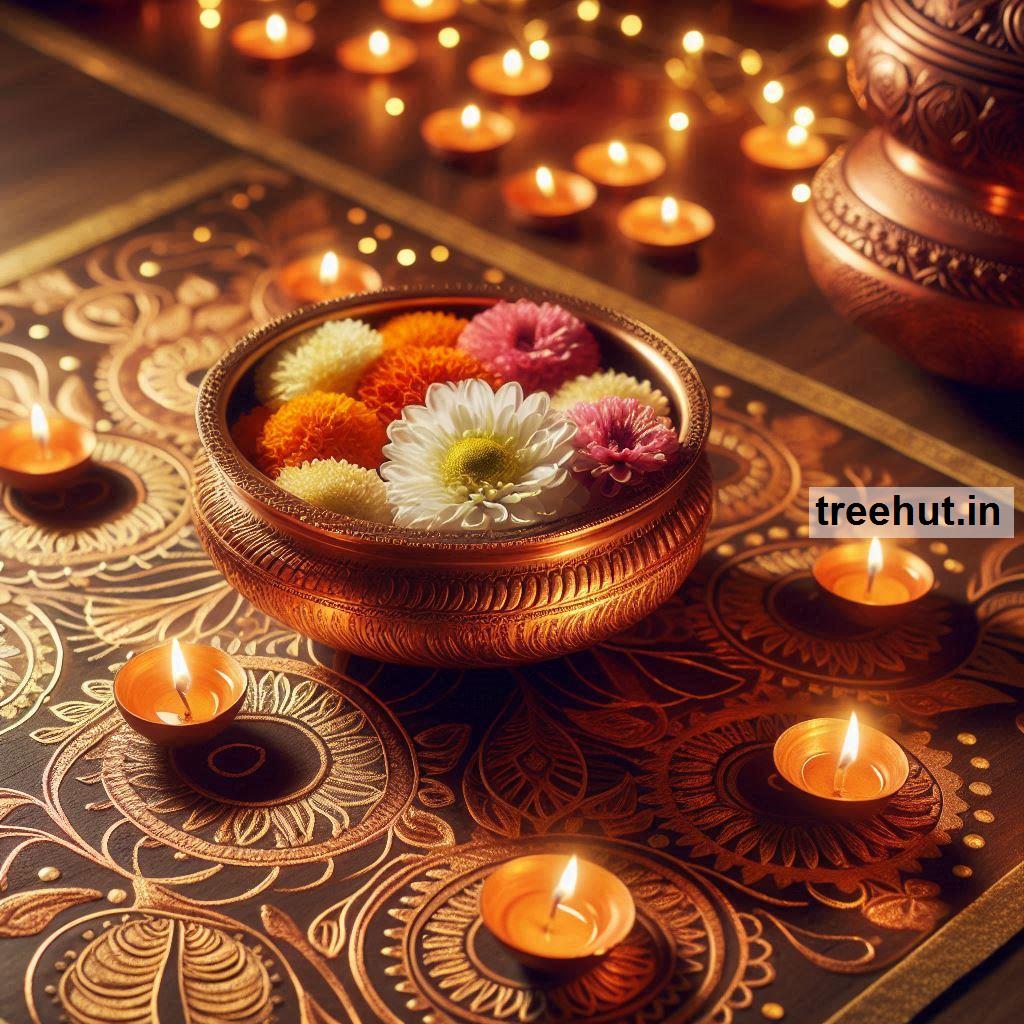
- Uruli Centerpiece: Fill an uruli with water and float fresh flowers, such as marigolds or lotus, to create a stunning centerpiece for the table.
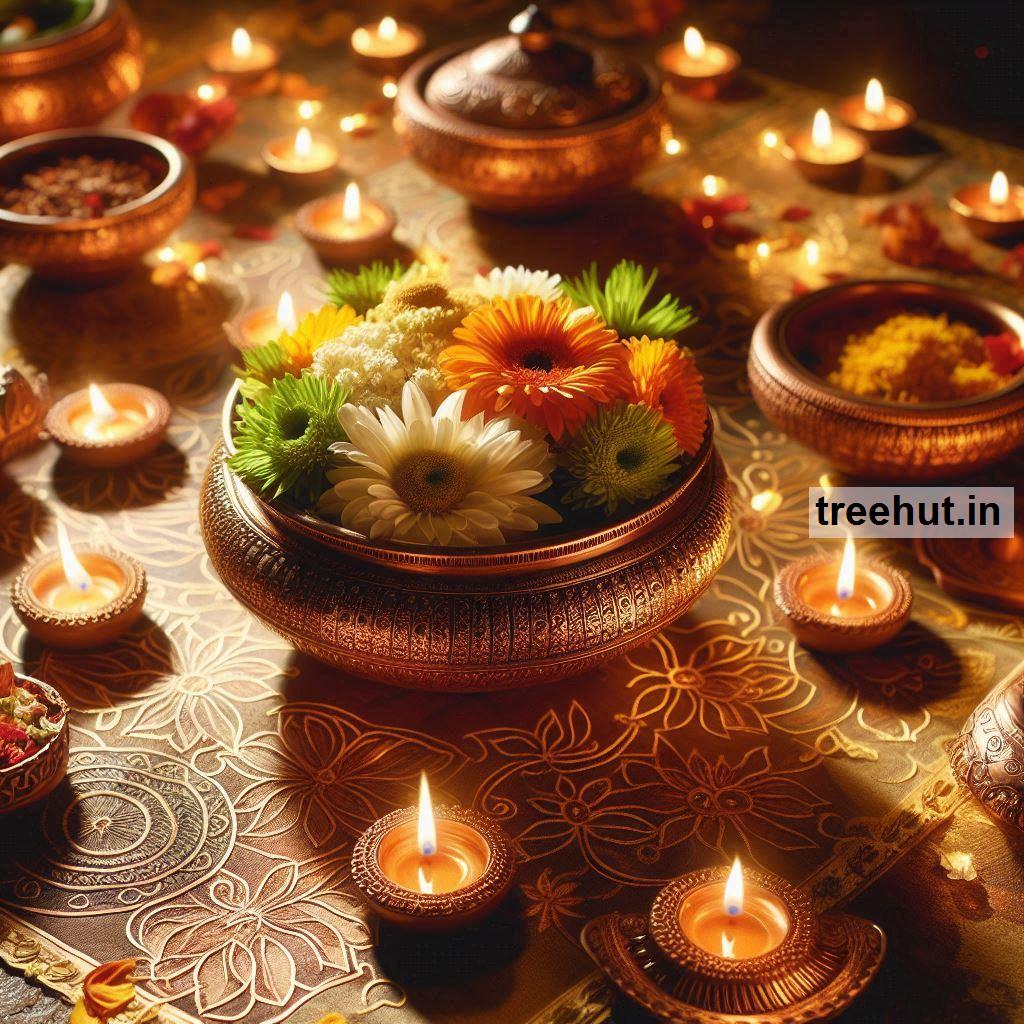
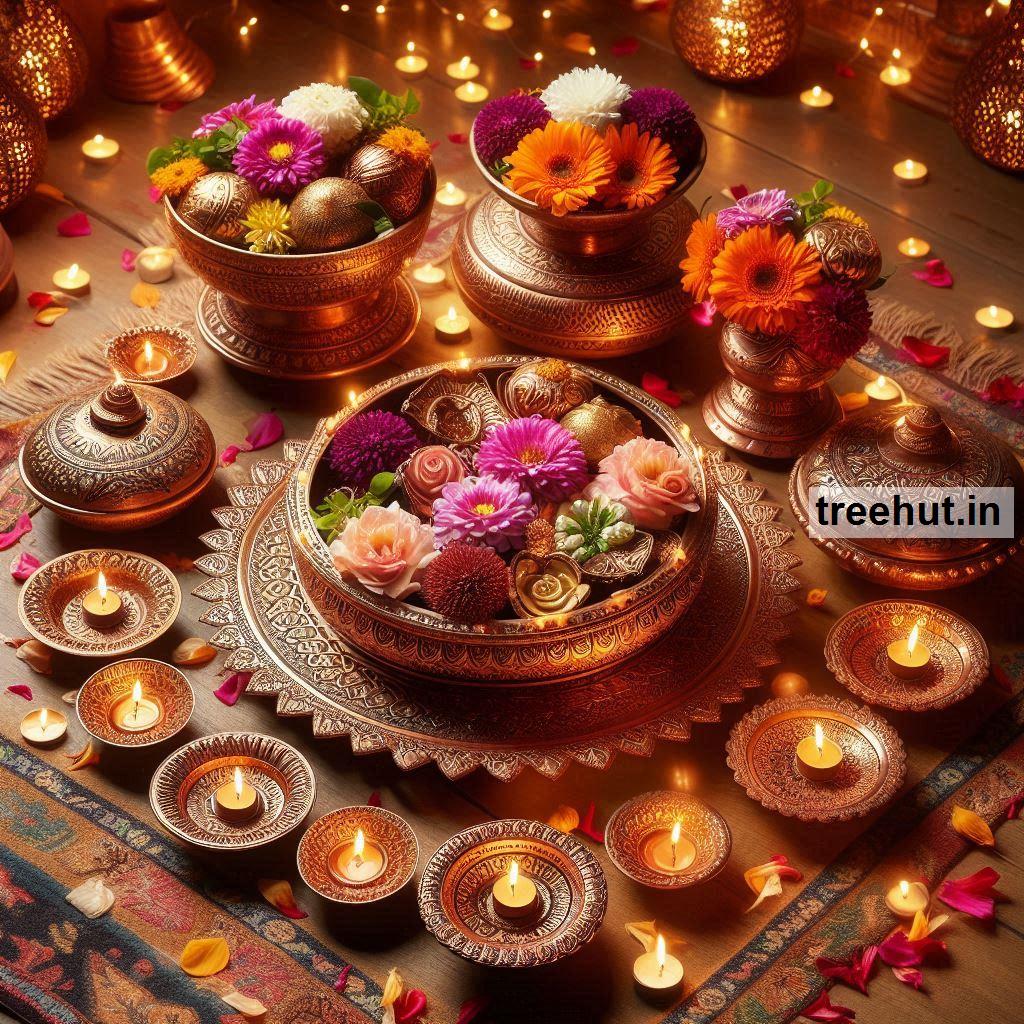
- Flower Arrangement: Use urulis as vases by placing a mixture of fresh flowers inside, adding greenery for a fuller look.
- Floating Candles: Add floating candles along with flowers in the uruli for a serene and elegant effect during the evening.
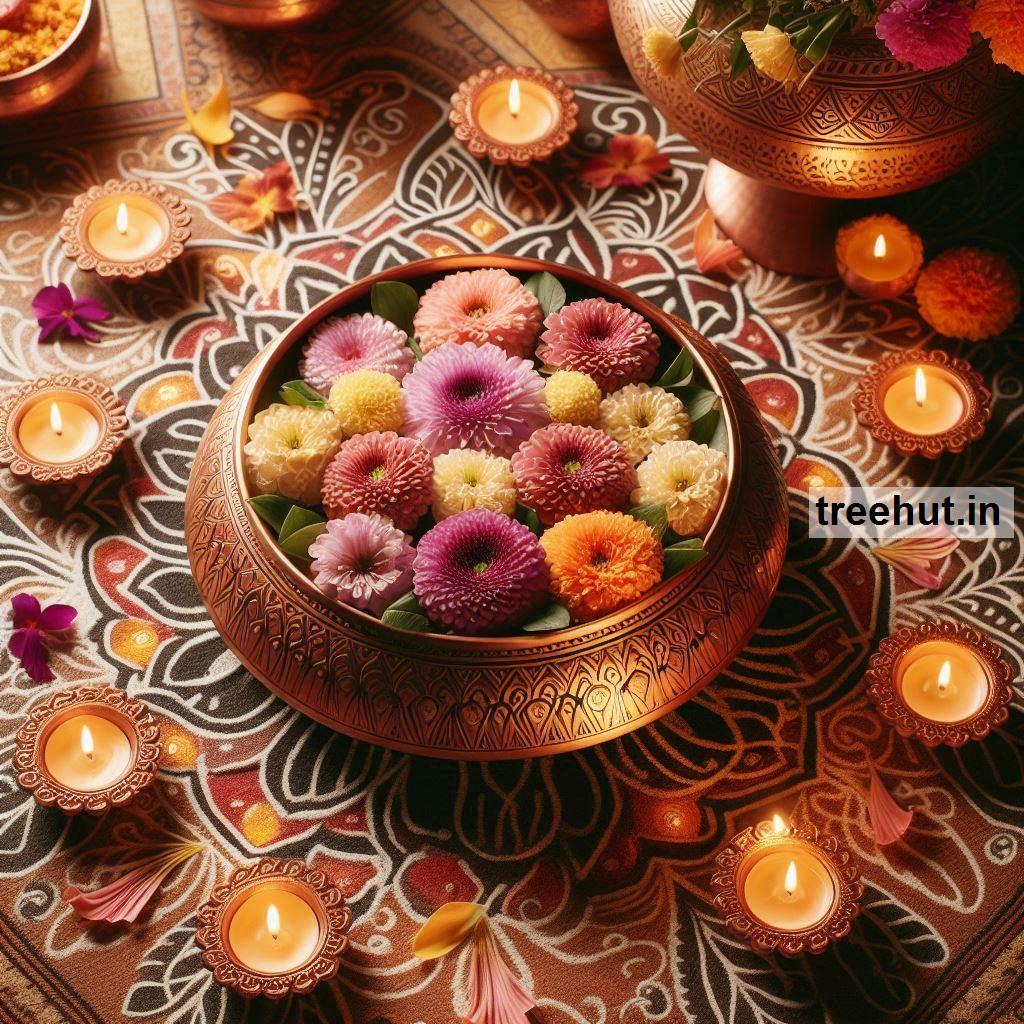
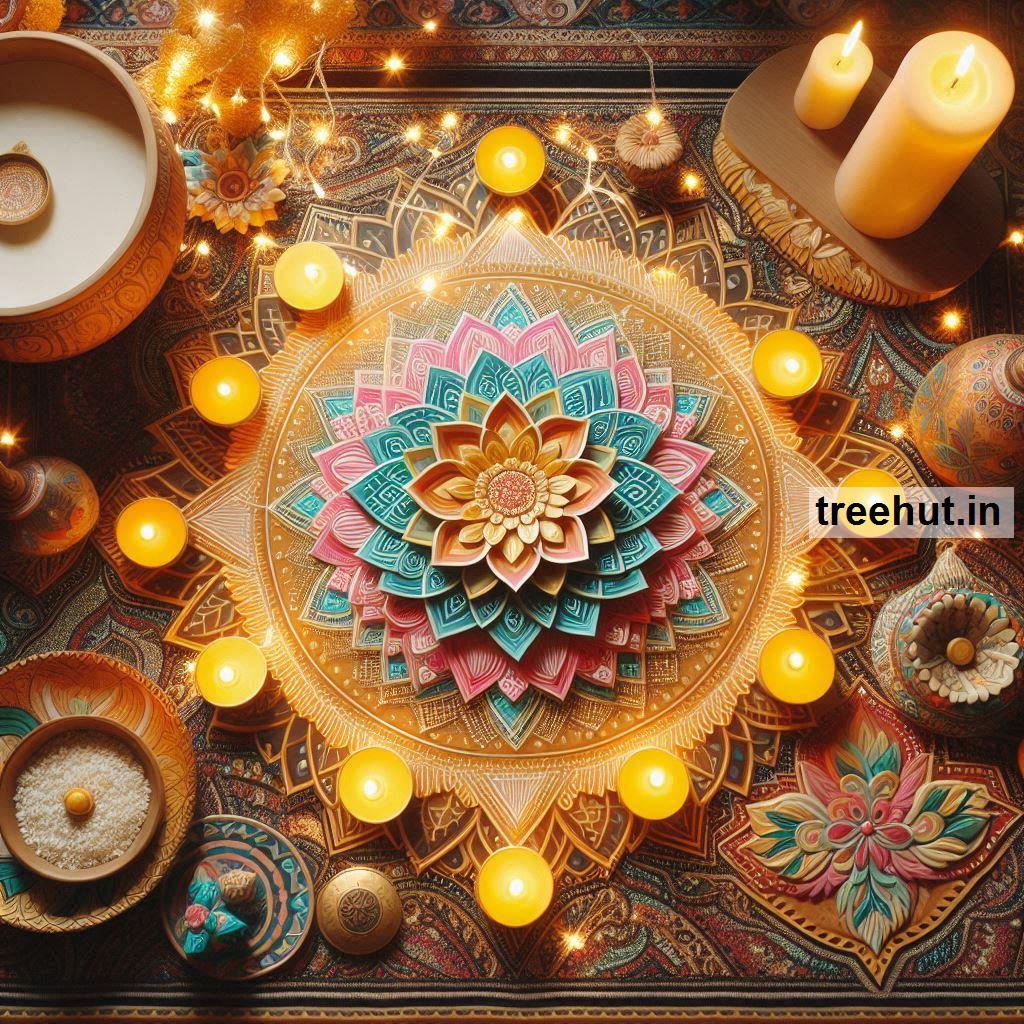
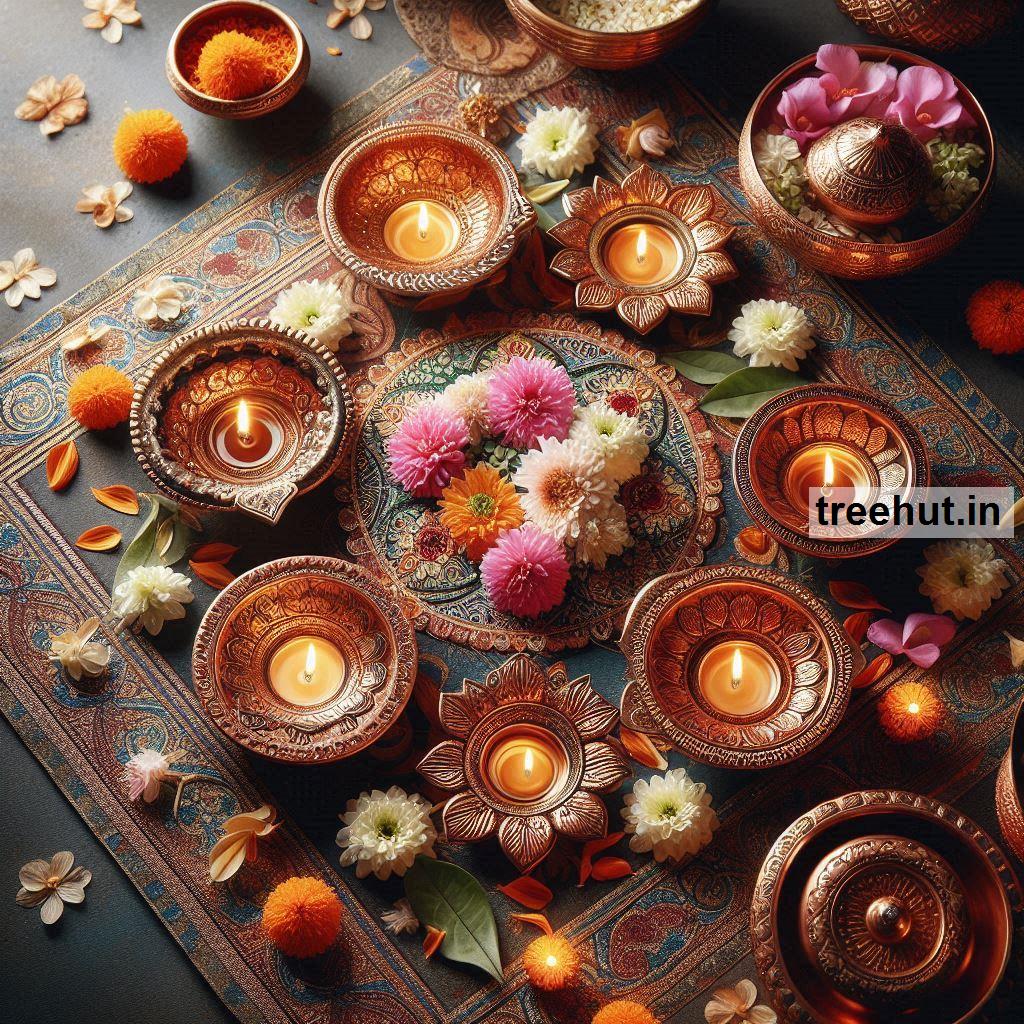
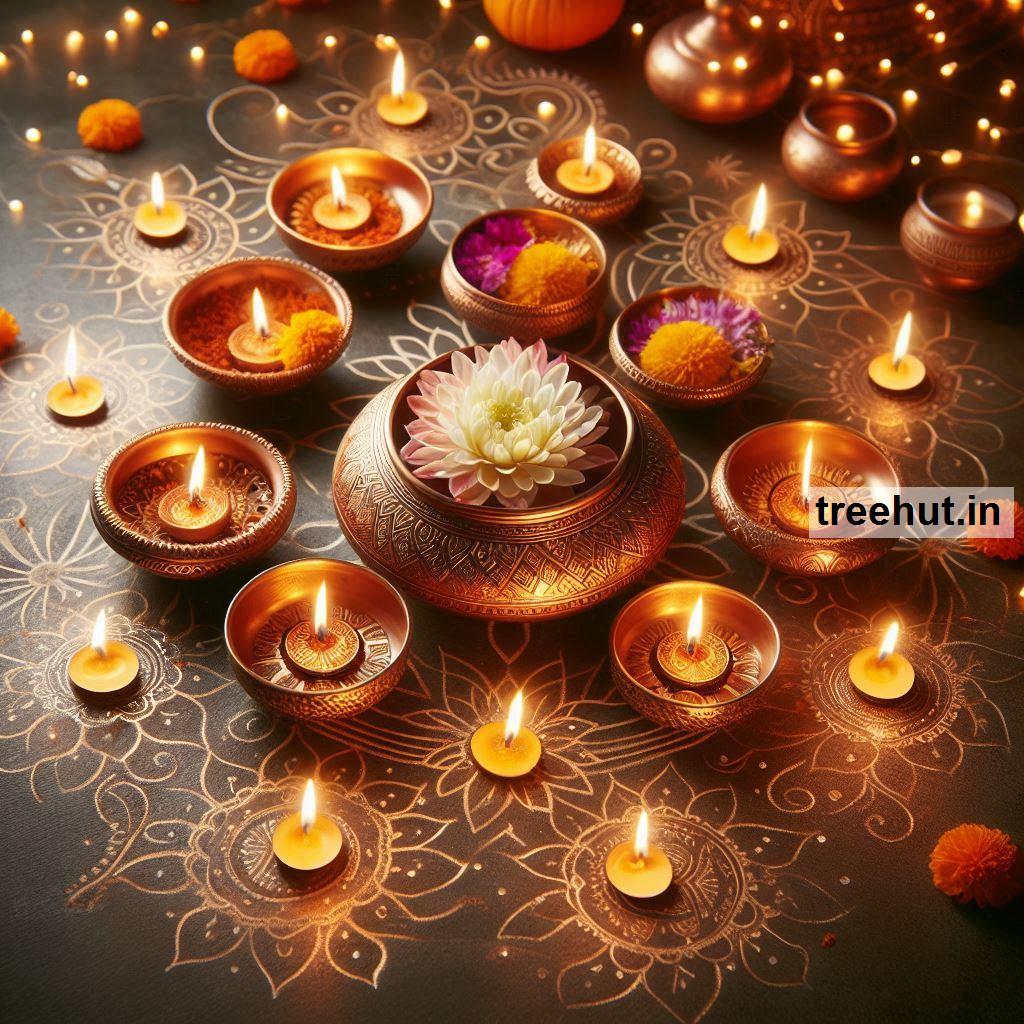
- Rangoli with Uruli: Surround the uruli with colorful Rangoli designs using colored powders, flowers, or rice for a traditional look.
- Uruli Wall Hanging: Decorate urulis with colorful fabrics or ribbons and hang them on walls or doors as part of the decor.
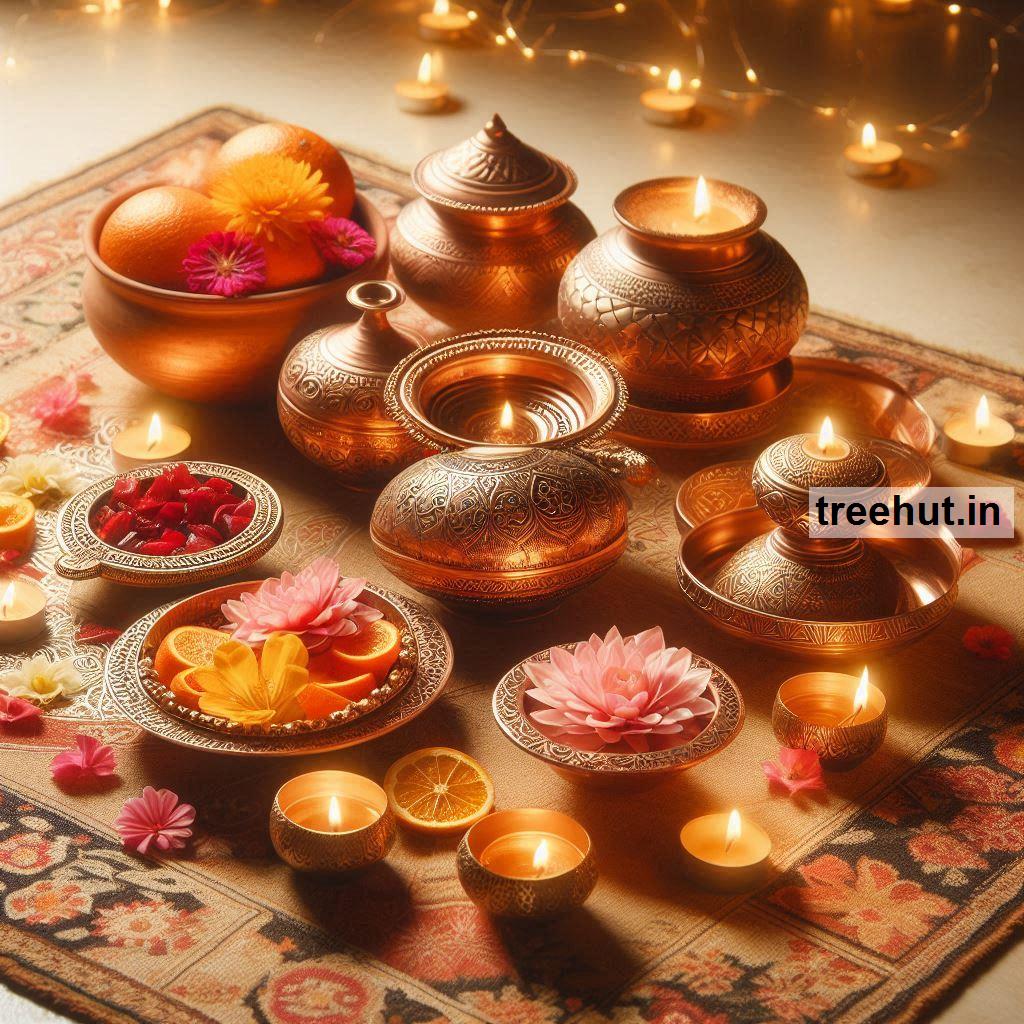
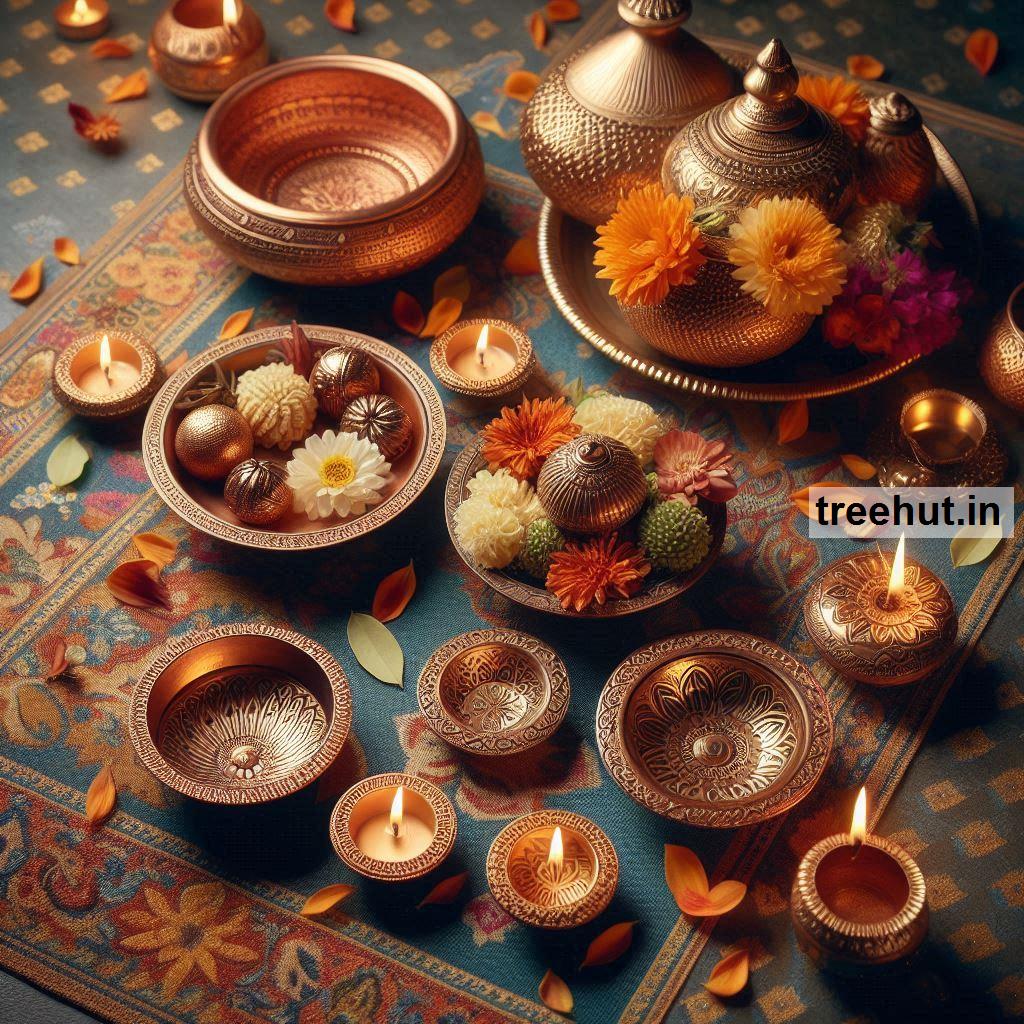
- Uruli with Fruits: Fill the uruli with seasonal fruits along with flowers for a vibrant and fresh look.
- Mini Uruli Decor: Use smaller urulis to create a cluster on a side table, filled with different colored flowers.
- Seasonal Themes: Change the flowers in the uruli to match the seasons, using winter flowers for winter and vibrant blossoms for summer.
- Personalized Uruli Gifts: Decorate urulis and fill them with sweets or dry fruits as personalized gifts for family and friends.
- Festive Lighting: Place fairy lights around the uruli or inside it for a twinkling effect, creating a magical atmosphere.
80 Techniques for Diwali Rangoli with an Uruli in its Center
1. Traditional Patterns
- Geometric Designs: Create geometric patterns around the uruli using colored powders or rice.
- Floral Rangoli: Use fresh flowers to make floral patterns surrounding the uruli.
- Peacock Design: Craft a peacock motif that flows around the uruli, symbolizing beauty and grace.
- Mandalas: Draw intricate mandala patterns around the uruli using colored chalk or powders.
- Lotus Rangoli: Design a lotus flower around the uruli, using petals to enhance the look.
- Stars and Moon: Create star and moon motifs using colored sand or powders.
- Abstract Art: Use your creativity to design abstract art surrounding the uruli.
- Circular Designs: Form concentric circles radiating from the uruli for a vibrant look.
- Traditional Kolam: Use traditional Kolam patterns around the uruli for a cultural touch.
2. Color Techniques
- Ombre Effect: Blend different shades of the same color in your Rangoli for a stunning ombre effect.
- Gradient Coloring: Gradually transition between colors in your designs.
- Dual Colors: Use two contrasting colors in your Rangoli to create bold designs.
- Pastel Shades: Use pastel colors for a soft and elegant look around the uruli.
- Bright Hues: Choose bright and vibrant colors to symbolize the festive spirit of Diwali.
- Metallic Colors: Incorporate metallic powders for a shimmering effect.
- Neon Colors: Use neon colors for a modern and fun look in your Rangoli.
- Earth Tones: Utilize earth tones for a traditional and rustic appeal.
3. Textural Techniques
- Sand and Salt: Mix colored sand and salt for a textured look.
- Petal Rangoli: Use flower petals for a natural and fragrant Rangoli.
- Powdered Chalk: Create soft and textured lines using powdered chalk.
- Rice and Lentils: Use colored rice or lentils to add texture to the designs.
- Sugar or Salt Crystals: Incorporate sugar or salt crystals for a sparkling finish.
- Sponge Technique: Use a sponge to dab colors onto the Rangoli for a unique effect.
- Dabbing Technique: Use your fingers to dab colors onto the design for a soft, blended look.
4. Nature-Inspired Rangoli
- Leaf Patterns: Use fresh leaves to create outlines and patterns in your Rangoli.
- Seed Designs: Incorporate seeds of different colors for unique patterns.
- Stone Elements: Use small stones or pebbles to enhance the design.
- Bark and Twigs: Add bark or twigs for an earthy touch.
- Dried Flowers: Use dried flowers to create a rustic look.
- Herbs and Spices: Integrate herbs or spices for aroma and texture.
5. Innovative Techniques
- Stencils: Use stencils to create consistent patterns around the uruli.
- Squeeze Bottles: Fill squeeze bottles with colored powders for precise designs.
- Spray Technique: Use spray bottles filled with colored water for a fun, splattered effect.
- Foil and Paper: Incorporate foil or decorative paper for a mixed media approach.
- Cut-Outs: Create paper cut-outs to lay over the Rangoli for added dimension.
- Rubber Stamps: Use rubber stamps with different designs to imprint on the Rangoli.
6. Community Involvement
- Group Activity: Organize a group Rangoli-making session with students or family.
- Theme-Based Rangoli: Choose a specific theme for the Rangoli (e.g., nature, mythology) and collaborate.
- Contest: Hold a Rangoli contest, where participants create designs around the uruli.
- Storytelling Rangoli: Create a Rangoli that tells a story or represents a legend.
7. Seasonal and Cultural Techniques
- Festival Symbols: Incorporate symbols related to Diwali, such as diyas or fireworks, into the Rangoli.
- Cultural Motifs: Use cultural motifs from different regions to enhance the design.
- Seasonal Colors: Choose colors that represent the season, like warm tones for autumn.
- Nature Festivals: Create designs inspired by nature festivals in your region.
- Heritage Patterns: Incorporate heritage designs from your culture.
8. Creative Combinations
- Layered Rangoli: Create layered designs using different materials (e.g., colored powders and petals).
- Floating Elements: Combine floating elements in the uruli with designs around it.
- Firework Designs: Create designs resembling fireworks around the uruli.
- Candle Integration: Place small candles within the Rangoli pattern for illumination.
- Mixed Materials: Combine various materials (sand, rice, flowers) for dynamic designs.
9. Special Effects
- Glitter Additions: Sprinkle glitter for a sparkly finish on the Rangoli.
- Glow in the Dark: Use glow-in-the-dark powders for a nighttime effect.
- Watercolor Effect: Use watercolors to create soft, blended designs.
- 3D Effects: Create raised patterns using rice or lentils to give depth.
10. Final Touches
- Lighting: Place lights around the uruli for added ambiance.
- Bells and Chimes: Hang small bells or chimes around the uruli for sound.
- Personalized Messages: Add personalized messages or greetings in the Rangoli.
- Quotes and Sayings: Incorporate Diwali-related quotes into the design.
- Hanging Flowers: Suspend flowers or decorative items from the ceiling above the uruli.
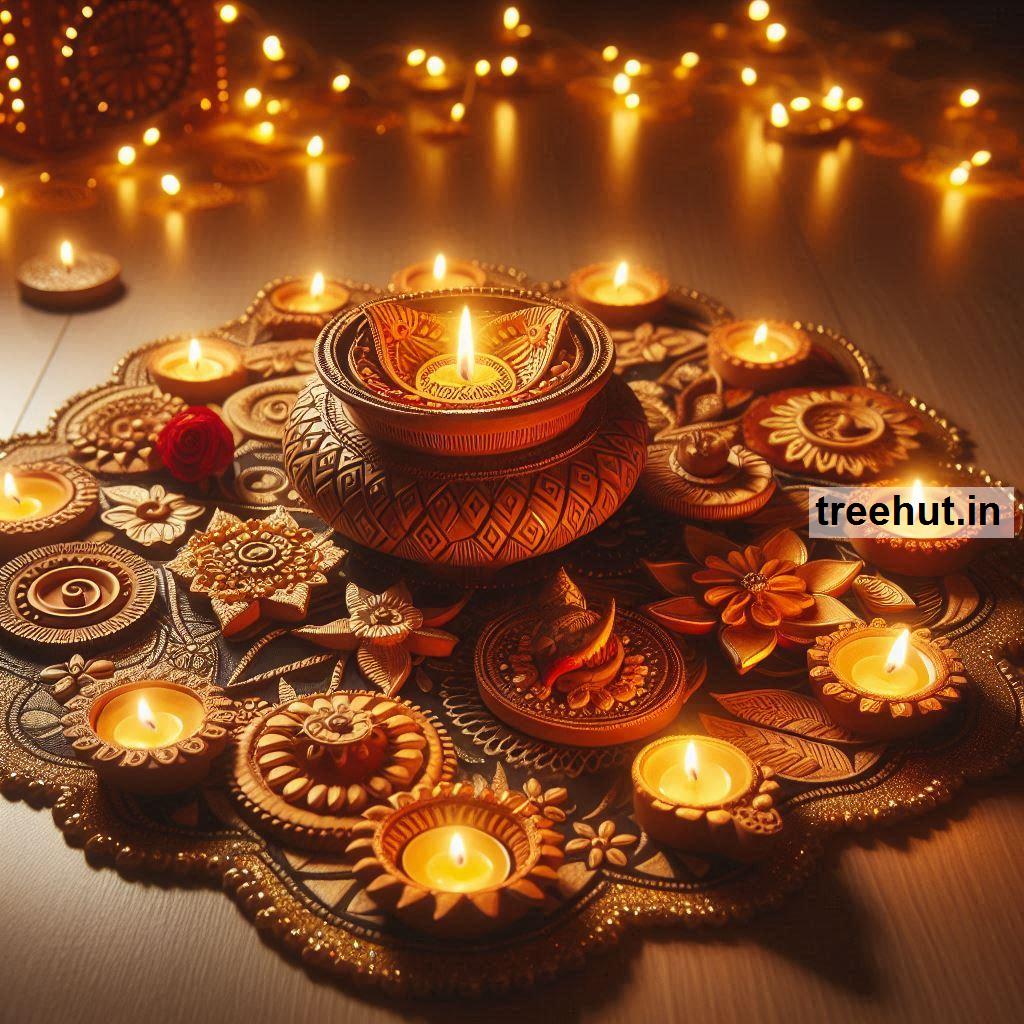
- Diya Placement: Arrange small diyas at intervals within the Rangoli.
11. Using Technology
- Digital Rangoli: Create a digital Rangoli design as a class project using design software.
- Photograph and Project: Take photos of traditional Rangoli designs and project them as inspiration.
- Video Tutorials: Watch and follow video tutorials to learn new techniques.
- Augmented Reality: Explore AR apps to visualize Rangoli designs in real-time.
12. Educational Aspects
- Cultural Education: Teach students about the significance of different Rangoli patterns.
- Color Theory: Discuss color theory while creating Rangoli designs.
- Math in Art: Explore symmetry and geometry in Rangoli designs.
- Storytelling Sessions: Narrate stories related to the designs created.
- Art Critique: Hold discussions on the creative process and final designs.
13. Themed Designs
- Eco-Friendly Rangoli: Use only natural materials to create an eco-friendly Rangoli.
- Unity in Diversity: Incorporate patterns from various cultures to celebrate diversity.
- Traditional vs. Modern: Create a blend of traditional and modern designs.
14. Engagement Activities
- Family Involvement: Invite families to participate in the Rangoli-making activity.
- Community Outreach: Collaborate with local artists to create a community Rangoli.
- Cultural Exchange: Share Rangoli techniques from different cultures.
- Exhibition: Organize an exhibition of student-created Rangoli designs.
- Craft Workshops: Host workshops to teach different Rangoli techniques.
15. Variations and Adaptations
- Colorful Borders: Add colorful borders around the uruli for a finished look.
- Personal Touches: Encourage students to add their personal touches to their designs.
- Reflective Elements: Use reflective materials to enhance the overall appearance of the Rangoli.
These ideas and techniques will help you create a vibrant and festive atmosphere for Diwali using urulis and fresh flowers while also providing a wide range of Rangoli designs to explore in the classroom or at home. Enjoy crafting and celebrating!