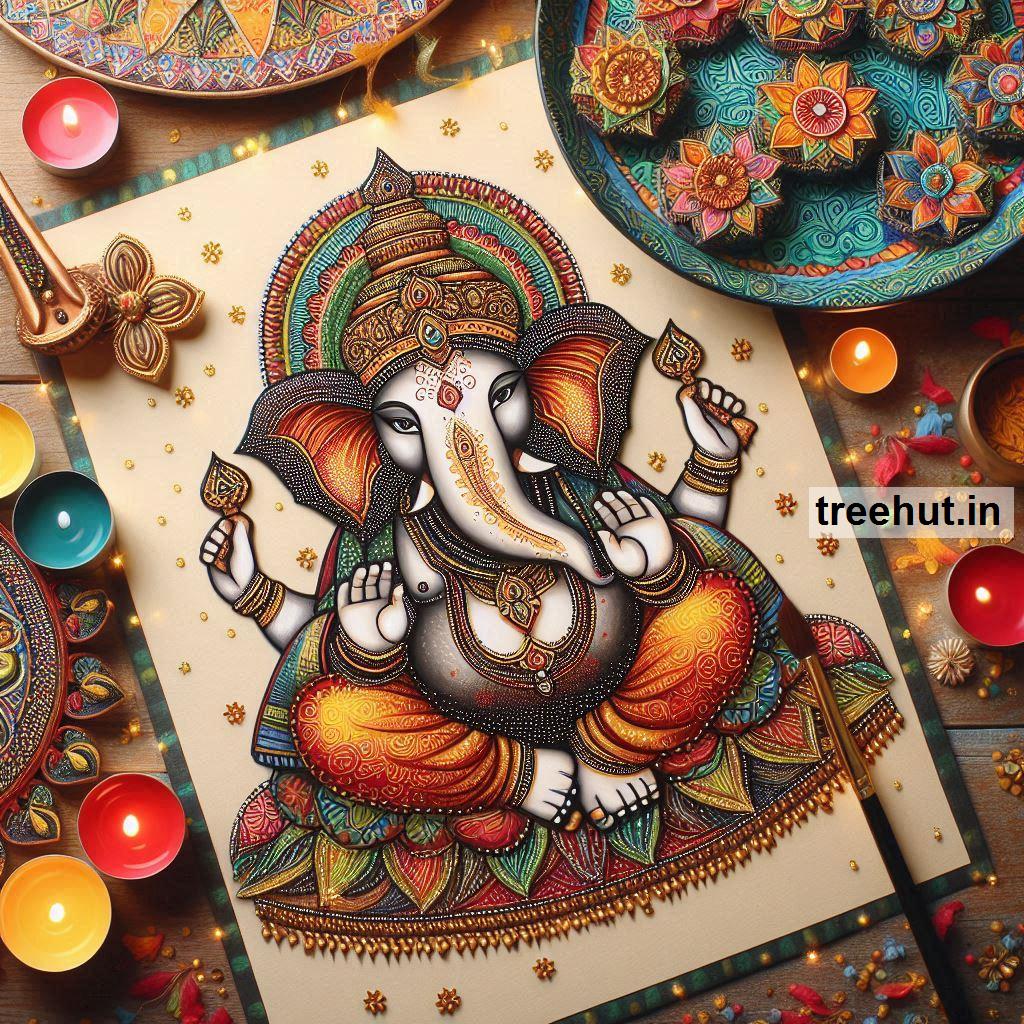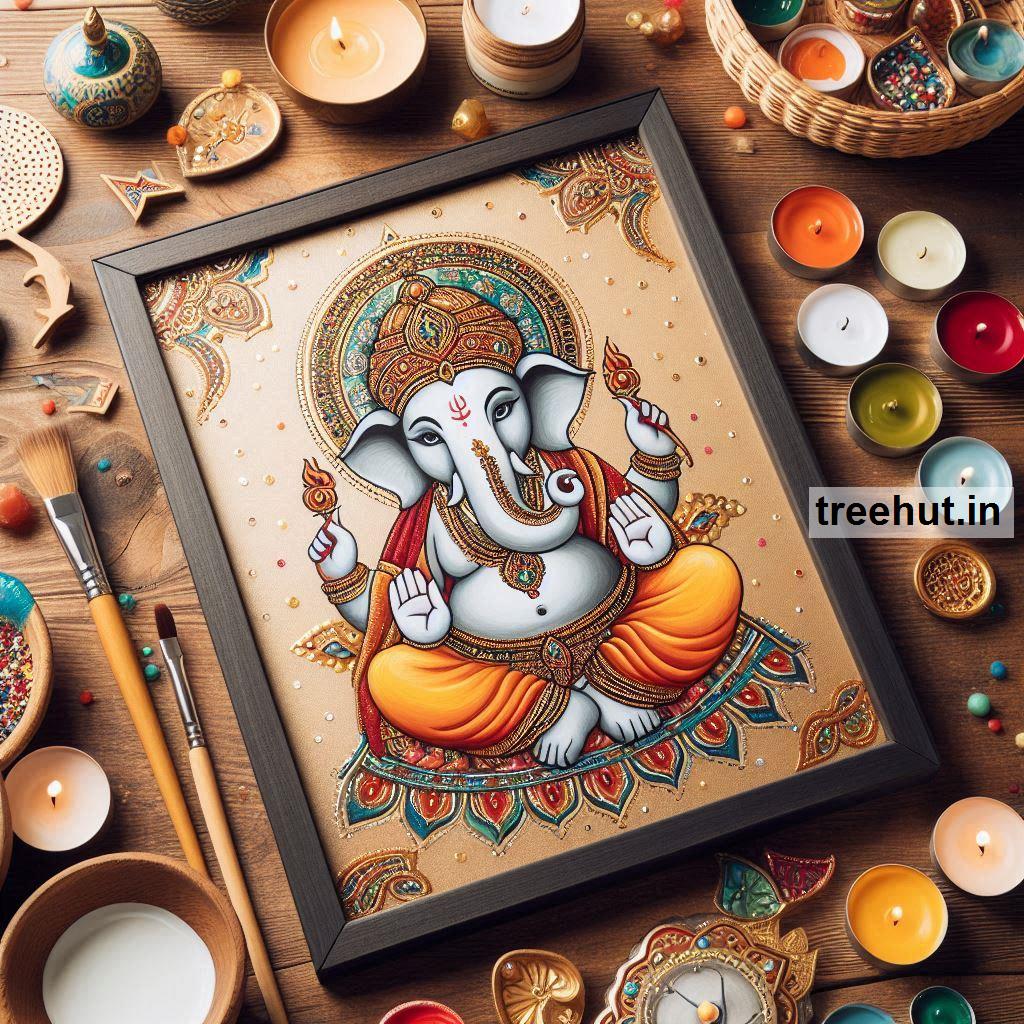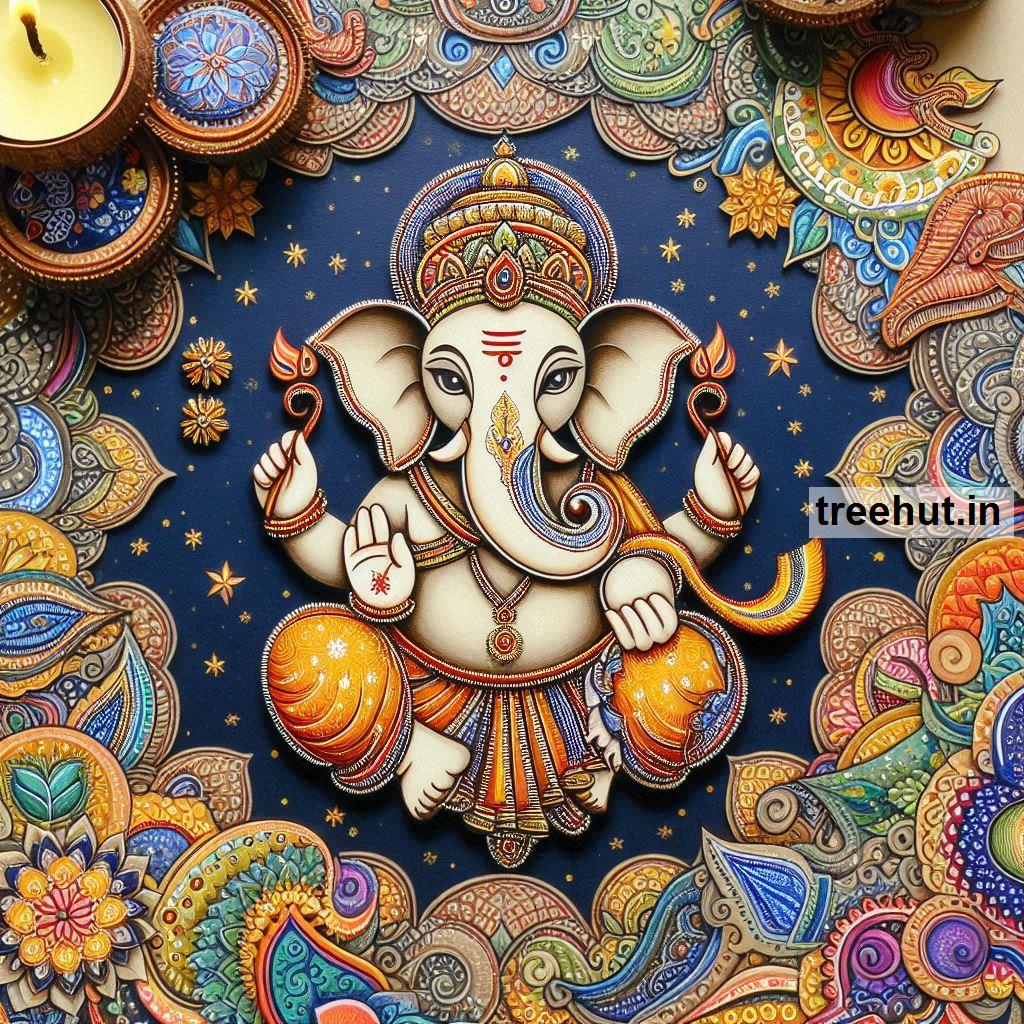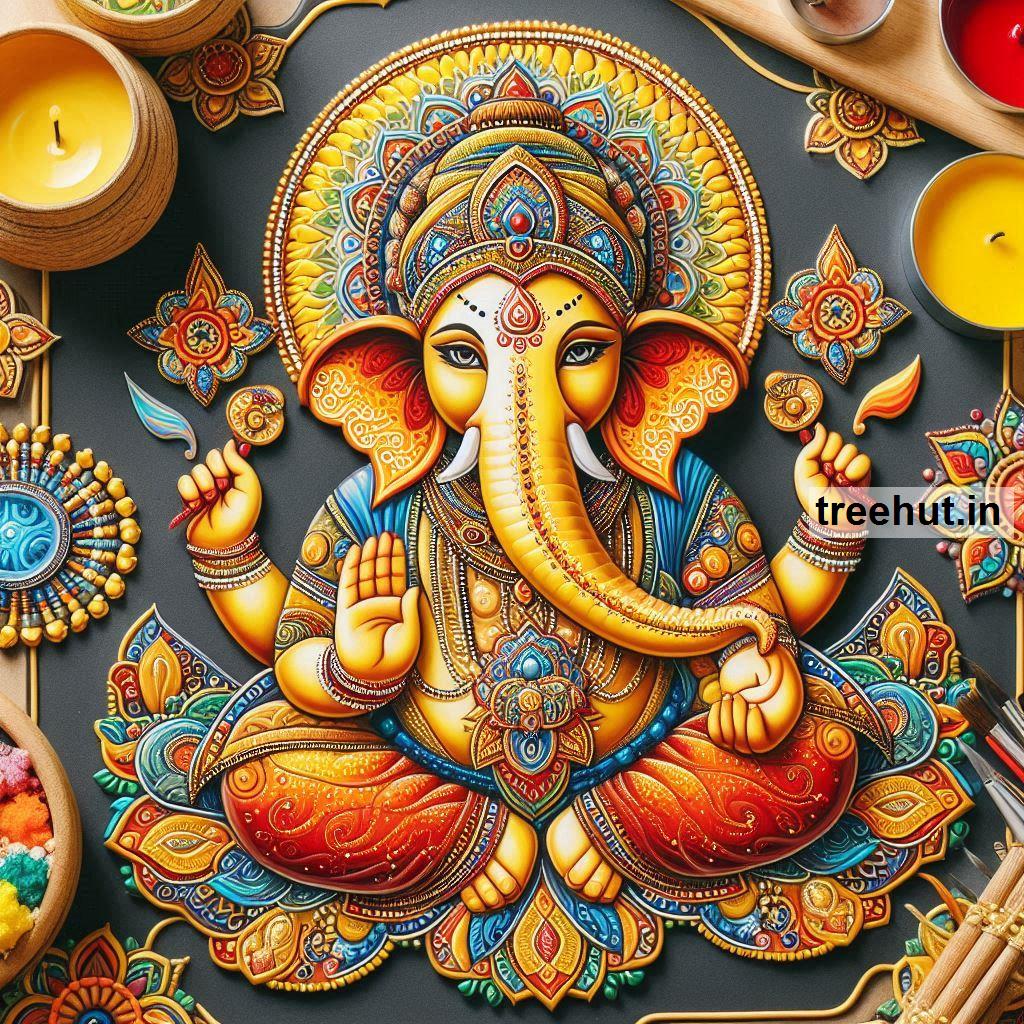
DIY Diwali Painting of Ganesha ji for Home Decoration or Selling, Ganesh Painting Decoration Ideas and Techniques, Diwali Craft Ideas
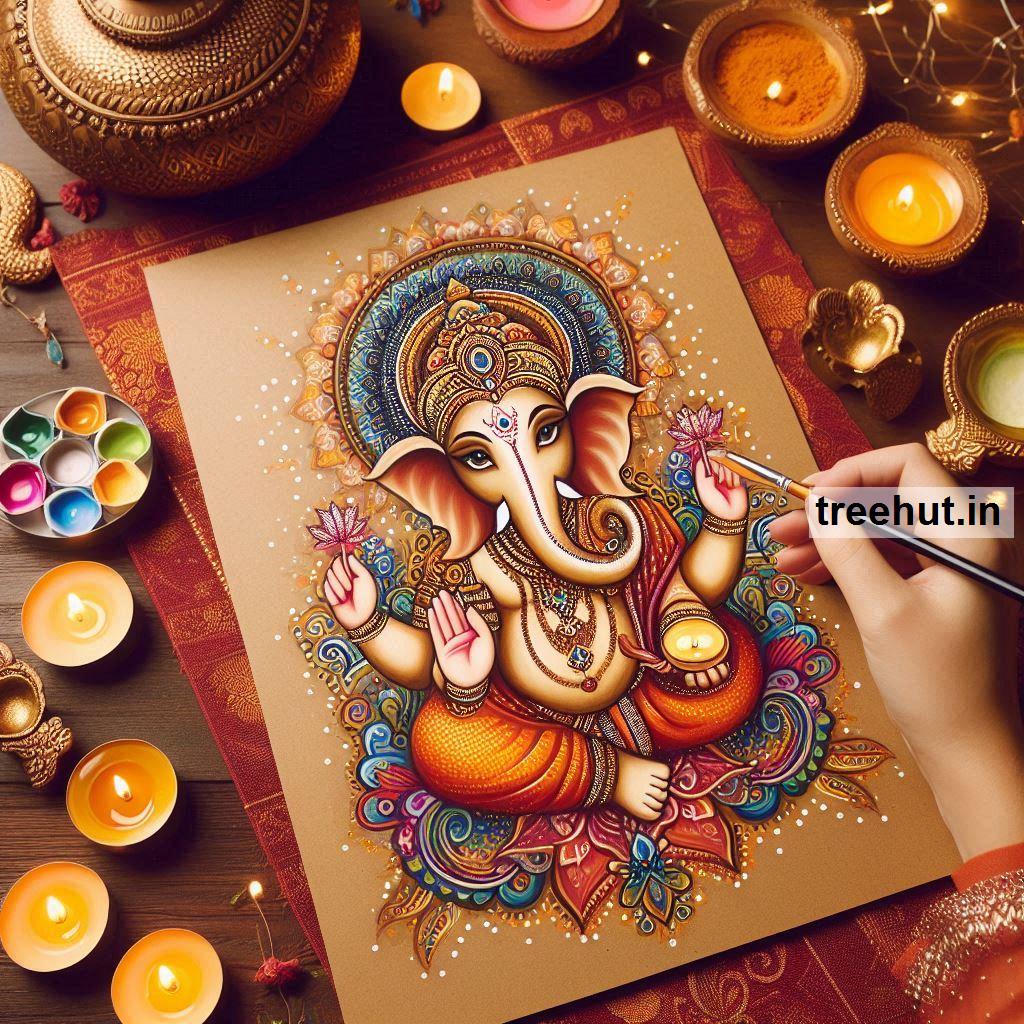
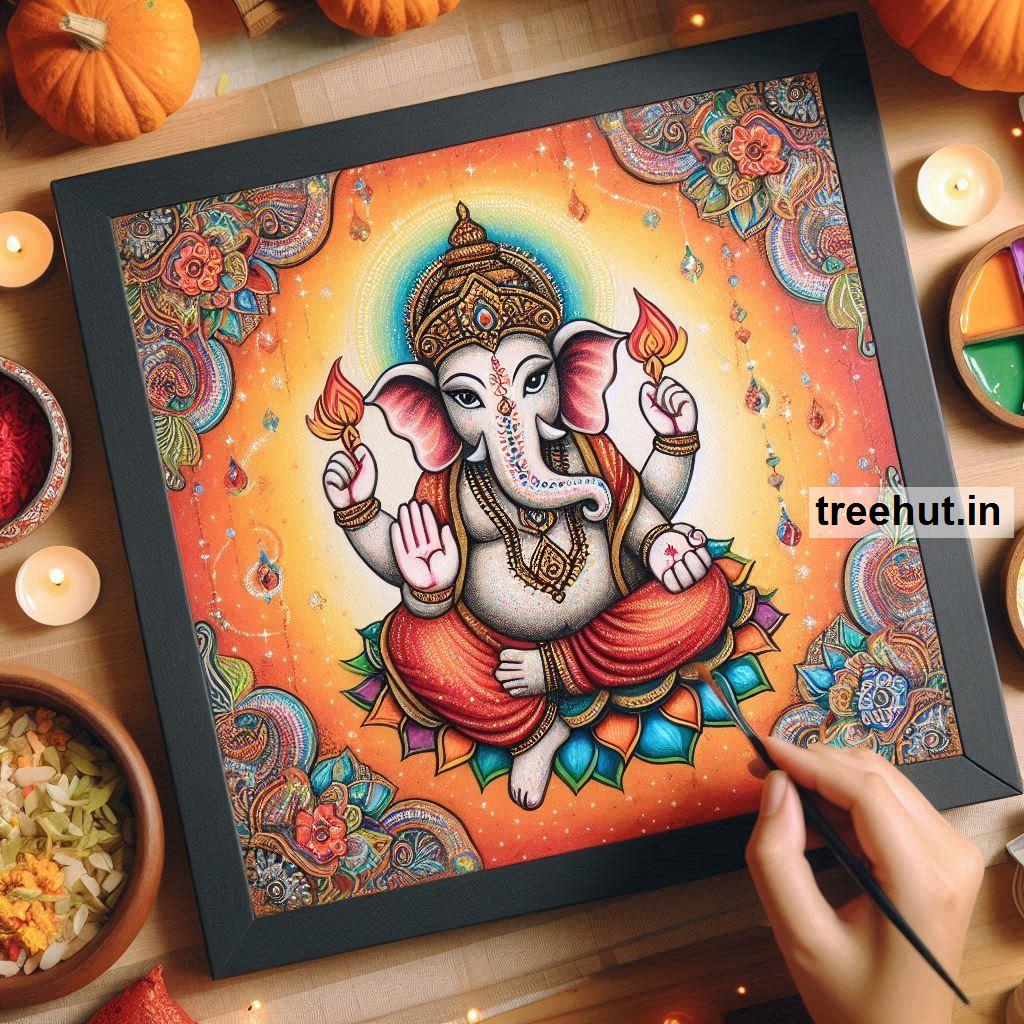
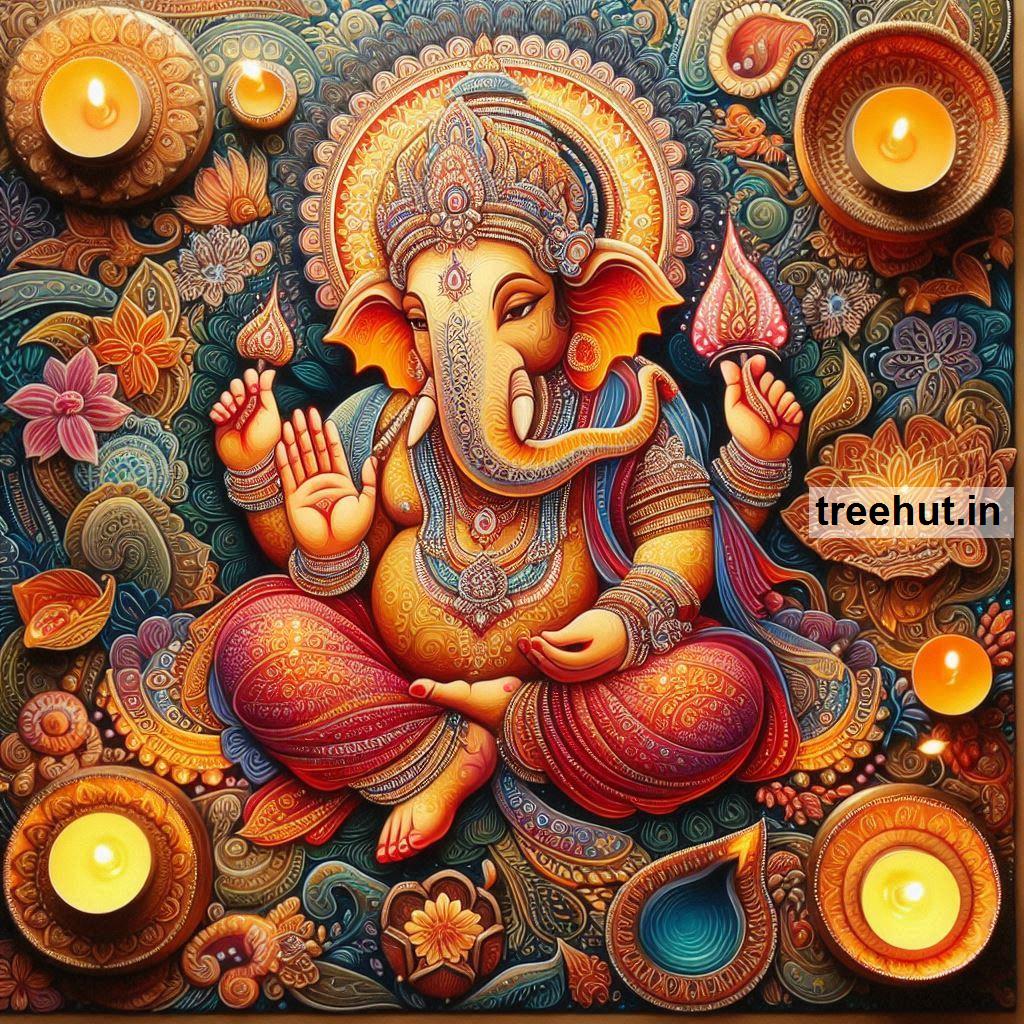
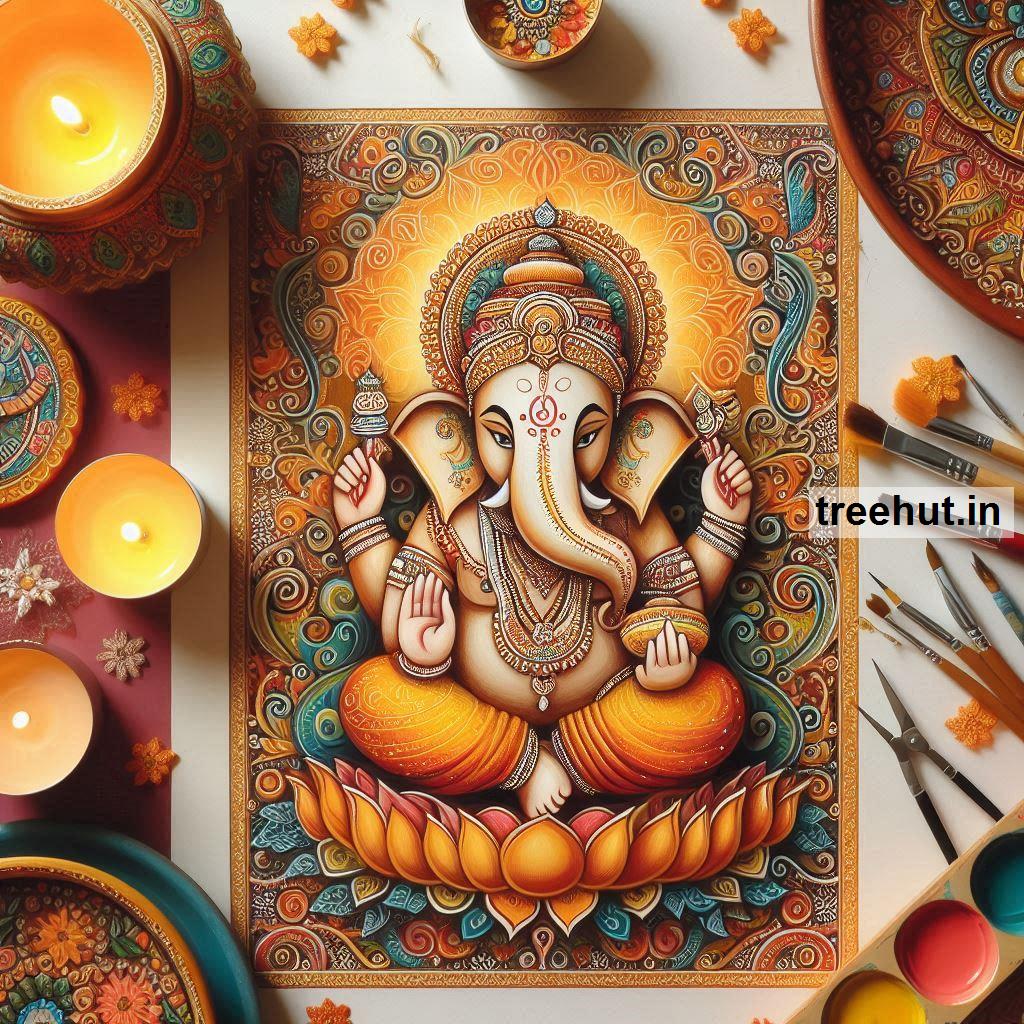
a DIY Diwali painting of Ganesha ji for home decoration or selling can be a meaningful and beautiful way to celebrate the festival. Ganesha is often worshipped during Diwali as the remover of obstacles and the harbinger of prosperity and success. Here's a guide on how to create a Ganesha painting along with ideas and techniques to make it stand out.
How to Make a DIY Ganesha Painting for Diwali: Ideas and Techniques
1. Traditional Ganesha Painting
- Materials: Canvas, acrylic paints, brushes, gold foil (optional).
- Technique: Begin with a sketch of Ganesha on the canvas. Use bright colors like orange, red, and yellow to fill the background. For Ganesha, use gold, white, and deep shades like maroon or dark blue to give him a divine look. Accentuate the jewelry and crown with gold foil for an elegant touch.
- Tip: Focus on the intricate details of Ganesha’s face and ornaments for a traditional look.
2. Madhubani Style Ganesha
- Materials: Handmade paper or canvas, black ink, acrylic colors, fine brushes.
- Technique: Madhubani art is known for its bold lines, intricate patterns, and bright colors. Sketch Ganesha in this folk art style, using fine black ink to outline the figure and fill in the patterns. Use earthy tones like green, brown, and red to keep the traditional aesthetic alive.
- Tip: Add a decorative border around the painting with typical Madhubani motifs such as flowers, leaves, and animals.
3. Abstract Ganesha Painting
- Materials: Canvas, palette knives, acrylic or oil paints, brushes.
- Technique: For a more modern and abstract look, paint Ganesha using bold strokes and minimal detailing. Use palette knives to create texture and abstract forms that hint at Ganesha’s figure. You can play with unusual color combinations like teal, violet, and gold to give it a contemporary twist.
- Tip: Focus on Ganesha’s iconic features like the trunk and crown, leaving other parts more abstract.
4. Warli Art Ganesha
- Materials: Black or red paper, white acrylic paint or chalk markers, fine brushes.
- Technique: Warli art is another traditional Indian form that uses simple, geometric shapes to depict figures and scenes. Draw Ganesha using triangles, circles, and lines, filling the space around him with symbolic Warli elements like trees, animals, or small huts. Stick to a minimal color palette (black and white or red and white).
- Tip: Warli art looks great on textured surfaces like handmade paper or rough canvas.
5. Ganesha with a Lotus Background
- Materials: Canvas, watercolor or acrylic paints, brushes, gold leaf (optional).
- Technique: Paint Ganesha seated on a lotus flower, which symbolizes purity and prosperity. Use soft pastels or bold colors like pink and purple for the lotus, and keep Ganesha’s colors traditional with hues of gold, saffron, and red. You can also add gold leaf accents to the lotus petals for a luxurious effect.
- Tip: Make the lotus a prominent part of the painting, giving it intricate details.
6. Contemporary Ganesha with Geometric Patterns
- Materials: Canvas, rulers, masking tape, acrylic paints, brushes.
- Technique: Paint Ganesha in the center, and surround him with geometric patterns like triangles, circles, or hexagons. You can use masking tape to create straight edges for the patterns. Fill the shapes with contrasting colors like gold, silver, or vibrant jewel tones to make the artwork pop.
- Tip: Use metallic paints for the geometric patterns to add a modern and festive touch.
7. Mandala Ganesha
- Materials: Black or white canvas, acrylic paints or markers, compass.
- Technique: Draw Ganesha’s head or full body in the center, and surround him with intricate mandala patterns. Start by creating concentric circles around Ganesha, then fill each layer with detailed geometric designs like petals, lines, and dots. Mandala art requires precision, so take your time.
- Tip: Use contrasting colors for the mandala and Ganesha, or keep the entire design monochromatic for a chic, minimalist look.
8. Ganesha with Decorative Borders
- Materials: Canvas, acrylic paints, brushes, stencils (optional).
- Technique: After painting Ganesha, add a decorative border around the canvas. Use stencils to create repeating patterns like paisleys, flowers, or traditional Indian motifs. This adds depth and richness to the painting.
- Tip: Use metallic paint (gold or silver) for the border to give the painting an extra festive feel.
9. Ganesha on a Grunge Background
- Materials: Canvas, acrylic or spray paints, stencils, brushes.
- Technique: Paint a textured, grungy background using dark colors like charcoal, black, and brown. Over this, stencil or freehand Ganesha’s figure in a bright or metallic color like gold, silver, or red. The contrast between the rough background and the vibrant Ganesha figure will give a modern, urban feel to the painting.
- Tip: Experiment with layered textures by using sponge dabbing or scraping techniques for the background.
10. DIY Ganesha on Wooden Panels
- Materials: Wooden board or panels, acrylic paint, wood stains, brushes.
- Technique: Paint Ganesha on a wooden surface, keeping the natural grain of the wood visible in certain areas. You can either paint a colorful Ganesha or create a wood-burned look by using dark brown and gold shades. This type of painting looks rustic and is perfect for gifting or selling.
- Tip: Use varnish to seal the painting and protect the wood.
11. Ganesha with Peacock Feathers
- Materials: Canvas, acrylic paints, fine brushes, peacock feathers (optional).
- Technique: Incorporate peacock feathers into Ganesha’s painting. You can either paint the feathers behind Ganesha, symbolizing beauty and grace, or attach real feathers as a 3D embellishment. This adds an element of regality to the artwork.
- Tip: Make Ganesha’s form simple and let the peacock feathers be the highlight of the painting.
12. Ganesha with Minimalist Design
- Materials: Canvas, black ink, brushes.
- Technique: Keep Ganesha’s form as minimal as possible, using just a few black ink lines to suggest his figure. This style focuses on capturing the essence of Ganesha with fewer details, giving it a modern, artistic feel.
- Tip: Use negative space effectively in this design to highlight the simplicity.
13. Ganesha with Crackle Effect Background
- Materials: Crackle medium, acrylic paints, canvas.
- Technique: Apply crackle medium to your canvas before painting Ganesha. As the paint dries, it will develop a cracked, antique effect that adds texture and interest to the background. Paint Ganesha on top of this textured surface using vibrant colors.
- Tip: Use warm tones like gold, orange, and red to enhance the crackle effect.
14. Mosaic Style Ganesha
- Materials: Small pieces of glass, tile, or paper; glue; acrylic paints.
- Technique: Create a mosaic of Ganesha by arranging small, colorful pieces of glass, tile, or paper to form his figure. Use glue to adhere the pieces and paint any remaining spaces with contrasting colors.
- Tip: Outline Ganesha in black or gold to define the figure clearly within the mosaic.
15. Eco-Friendly Ganesha Painting
- Materials: Recycled paper, natural dyes or paints, brushes.
- Technique: Use recycled paper as your canvas and eco-friendly, natural dyes or paints to create your Ganesha painting. This adds an eco-conscious element to your artwork, aligning with the sustainable values of Diwali.
- Tip: Use earthy tones and soft textures to maintain an organic look.
16. Glitter Ganesha Painting
- Materials: Canvas, acrylic paints, glitter, glue, brushes.
- Technique: After painting Ganesha with vibrant colors, apply a layer of glue over specific areas (like the crown, trunk, and jewelry) and sprinkle glitter on top to give it a sparkling effect. This adds a festive touch to the painting.
- Tip: Use fine glitter for a subtle sparkle or chunky glitter for a bolder look.
17. Ganesha with Colorful Rangoli Patterns
- Materials: Canvas, acrylic paints, brushes, stencil or freehand skills.
- Technique: Paint Ganesha in the center of the canvas, surrounded by intricate rangoli patterns that are traditional during Diwali. Use vibrant colors like pink, green, and yellow to create the rangoli design, making it bright and festive.
- Tip: You can use stencils to achieve symmetrical designs for the rangoli.
18. Stencil Art Ganesha
- Materials: Canvas or wood, Ganesha stencil, acrylic paints, sponges or brushes.
- Technique: Use a pre-made stencil of Ganesha to create an outline on your canvas. Fill in the stencil with various colors, using sponges for a smooth finish. This method allows for precision and is great for beginners.
- Tip: Experiment with multiple layers of color for a more dynamic look.
19. Watercolor Ganesha Painting
- Materials: Watercolor paper, watercolors, brushes, masking tape.
- Technique: Use light, flowing watercolors to create a gentle Ganesha painting. Tape the edges of the paper to create a clean border. After painting, let the colors blend softly, and add details with a fine brush once dry.
- Tip: Use salt to create texture in the wet paint for a unique background effect.
20. Glow-in-the-Dark Ganesha Painting
- Materials: Canvas, glow-in-the-dark paint, acrylic paints, brushes.
- Technique: Paint Ganesha using regular acrylic paints first. Once dry, add glow-in-the-dark paint to specific areas (like the outline or jewels). This will make the painting glow in the dark, adding a fun surprise for viewers.
- Tip: Make sure to charge the glow paint under bright light before viewing.
21. Ganesha with Floral Accents
- Materials: Canvas, acrylic paints, brushes, faux flowers or flower embellishments.
- Technique: Paint Ganesha in the center and surround him with painted or glued faux flowers. Use colors that complement Ganesha’s colors to create a harmonious look.
- Tip: Use a variety of flower types for a textured, layered appearance.
22. Textured Ganesha Painting
- Materials: Canvas, modeling paste, acrylic paints, palette knife, brushes.
- Technique: Apply modeling paste to create a textured background. Once dry, paint Ganesha over the textured surface, allowing the texture to show through. This adds depth and visual interest to your painting.
- Tip: Experiment with different tools to create various textures.
23. Ganesha with Calligraphy
- Materials: Canvas, acrylic paints, calligraphy pens or brushes.
- Technique: Paint Ganesha in the center and incorporate beautiful calligraphy around him, using words or phrases like "Om Gan Ganapataye Namah" or other blessings. This combines visual art with meaningful text.
- Tip: Use contrasting colors for the text to make it stand out.
24. Ganesha with Collage Elements
- Materials: Canvas or wood, paper cutouts, glue, acrylic paints.
- Technique: Create a mixed-media artwork by painting Ganesha and adding collage elements like fabric, paper cutouts, or sequins to enhance the artwork. This adds a unique touch and dimensionality.
- Tip: Choose materials that reflect traditional Indian textures, like silk or embroidered fabric.
25. Ganesha with Geometric Shapes
- Materials: Canvas, acrylic paints, brushes, masking tape.
- Technique: Create an abstract representation of Ganesha using geometric shapes. Use masking tape to outline shapes and fill them with bright, contrasting colors. This modern take makes for an eye-catching piece.
- Tip: Incorporate metallic colors for some shapes to add elegance.
26. Ganesha with Symbolic Elements
- Materials: Canvas, acrylic paints, brushes, additional decorative items (like beads or small mirrors).
- Technique: Paint Ganesha and surround him with symbolic elements like the mouse (his vehicle), lotus, or other items associated with Ganesha. Use beads or mirrors to enhance the painting and add texture.
- Tip: Integrate these elements into the background to create a cohesive look.
27. Ganesha with Marbling Technique
- Materials: Canvas, marbling paint, water, and a container.
- Technique: Use marbling paint to create a colorful, swirling background. Once dry, paint Ganesha on top. The marbled effect provides a dynamic and unique backdrop that draws attention.
- Tip: Ensure that the marbling colors complement Ganesha’s colors for a harmonious artwork.
28. Ganesha in Nature
- Materials: Canvas, acrylic paints, brushes, natural elements (like leaves).
- Technique: Paint Ganesha surrounded by elements of nature, like trees, flowers, or animals. Incorporate real leaves or flower petals by gluing them onto the canvas for added texture and realism.
- Tip: Use earthy colors to create a serene and peaceful scene.
29. Ganesha with Cultural Patterns
- Materials: Canvas, acrylic paints, stencils of traditional Indian patterns (like paisleys or mandalas).
- Technique: Paint Ganesha in the center and use stencils to create intricate patterns around him. Use rich colors like deep reds, golds, and greens to reflect traditional Indian art.
- Tip: Layer patterns to create a rich tapestry effect.
30. Ganesha with Seasonal Themes
- Materials: Canvas, acrylic paints, brushes.
- Technique: Incorporate seasonal elements into the Ganesha painting, such as autumn leaves, winter snowflakes, or spring flowers. This gives the artwork a fresh perspective and can be updated each year.
- Tip: Use lighter colors for spring and vibrant colors for autumn for seasonal variations.
31. Digital Ganesha Art
- Materials: Graphic design software, tablet or computer.
- Technique: Create a digital painting of Ganesha using graphic design tools. Experiment with brushes and layers to create a vibrant, modern representation of Ganesha.
- Tip: Use vector graphics for a clean and scalable image that can be printed on various materials.
32. Ganesha with Abstract Patterns
- Materials: Canvas, acrylic paints, brushes, palette knife.
- Technique: Create an abstract representation of Ganesha using free-flowing forms and patterns. Focus on shapes and colors rather than realistic details to create an artistic interpretation.
- Tip: Use a limited color palette for a more cohesive look.
33. Ganesha with Shadow Effects
- Materials: Canvas, acrylic paints, black paint for shadowing.
- Technique: Paint Ganesha and then use black or dark colors to create shadow effects, enhancing the three-dimensionality of the figure. This technique adds depth to the painting.
- Tip: Focus on light sources in your painting to create realistic shadows.
34. Ganesha with Nature Motifs
- Materials: Canvas, acrylic paints, brushes.
- Technique: Paint Ganesha with motifs inspired by nature, such as leaves, flowers, or animals integrated into the design. This connects the deity to the beauty of the natural world.
- Tip: Use greens and earth tones for a natural feel.
35. Ganesha with Celebration Elements
- Materials: Canvas, acrylic paints, decorations (like confetti or streamers).
- Technique: Paint Ganesha celebrating Diwali, surrounded by festive elements like diya lamps, fireworks, or colorful decorations. This can create a joyful and vibrant atmosphere.
- Tip: Use bright colors to evoke a festive spirit.
36. Ganesha with Abstract Watercolor
- Materials: Watercolor paper, watercolors, brushes.
- Technique: Create an abstract representation of Ganesha using watercolors. Focus on blending colors to create an ethereal look, emphasizing Ganesha's form through color rather than detail.
- Tip: Allow colors to bleed into each other for a dreamy effect.
37. Ganesha Inspired by Street Art
- Materials: Canvas, spray paints, stencils, brushes.
- Technique: Create a Ganesha painting inspired by street art. Use bold colors and graffiti-style techniques, incorporating stencils for added detail and flair.
- Tip: Make the artwork pop with contrasting colors and bold outlines.
38. Ganesha with Cultural Motifs
- Materials: Canvas, acrylic paints, brushes.
- Technique: Incorporate traditional Indian motifs, such as peacocks, elephants, or mandalas, around Ganesha. Use intricate details to create a rich and culturally vibrant painting.
- Tip: Research different cultural motifs to find unique elements to include.
39. Ganesha with Mixed Media Techniques
- Materials: Canvas, various materials (like fabric, beads, paper), glue, paints.
- Technique: Combine painting with other materials, creating a mixed media artwork. Use fabric for Ganesha's clothing, beads for embellishments, and paint for the background.
- Tip: Choose materials that complement the colors in your painting for a cohesive look.
40. Ganesha in a Cosmic Scene
- Materials: Canvas, acrylic paints, brushes, glitter or metallic paint.
- Technique: Create a cosmic background with stars and galaxies, placing Ganesha in the center. Use dark colors for the background and bright colors for Ganesha to make him stand out.
- Tip: Add metallic paint for stars to enhance the celestial theme.
By using these DIY Ganesha painting ideas and techniques, you can create beautiful, meaningful artworks that are perfect for home decoration or gifting during Diwali. These paintings can also be sold as part of the festive market, appealing to both traditional and contemporary tastes.