

What is the magic circle in crochet, and how do you use it? Which crochet projects can I make starting with a magic circle? Crochet Techniques
What is the magic circle in crochet, and how do you use it?
The magic circle, also called the magic ring or magic loop, is a technique used in crochet to start projects worked in the round. It allows you to pull the loop tightly closed, eliminating any gaps or holes at the center of your work. It’s especially useful for items like amigurumi, hats, coasters, and other circular projects.
How to Use the Magic Circle:
Here’s a step-by-step guide on how to create and use a magic circle:
Step 1: Create the Loop
- Hold the tail end of your yarn in your left hand (if you're right-handed), leaving a short tail.
- With your right hand, wrap the yarn around two or three fingers of your left hand, creating a loop.
- Cross the yarn over itself to form an "X" on the back of your fingers.
Step 2: Insert the Hook
- Insert your crochet hook under the first loop (closest to your hand) and over the second loop of yarn.
- Grab the yarn with your hook and pull it through the loop to create a new loop on your hook.
Step 3: Chain to Secure
- Make one chain stitch to secure the loop and create your starting point. This does not count as your first stitch; it’s just to secure the circle.
Step 4: Work Your Stitches
- Crochet the required number of stitches (usually single crochet or double crochet) directly into the magic loop. For instance, if your pattern calls for six single crochets in the first round, crochet six stitches into the loop.
- Make sure to crochet over both the loop and the loose tail.
Step 5: Tighten the Loop
- Once you’ve completed the required number of stitches in the loop, pull the loose tail of yarn to tighten the circle. The loop should close tightly, leaving no hole in the center.
Step 6: Join (Optional)
- If your pattern calls for it, join the first round with a slip stitch, or continue crocheting in the round without joining, depending on the instructions.
Benefits of the Magic Circle:
- No Gaps: Unlike starting with a chain, the magic circle ensures that the center of your project has no gaps or holes, making it look neater.
- Adjustable Size: You can control the size of the center by how tightly you pull the loop, making it perfect for various projects.
- Flexible: It works well for projects that start with a small, circular base, like amigurumi, hats, or coasters.
Practice Tips:
- It can feel awkward at first, but with practice, the magic circle will become second nature.
- Ensure you crochet tightly over the loop to secure your stitches; otherwise, the circle may loosen over time.
The magic circle is an essential technique for crocheters who frequently work in the round, and mastering it will make your projects look more professional.
Starting with a magic circle opens up a wide range of crochet projects that are typically worked in the round. The magic circle is ideal for creating a tight, seamless center, which makes it a go-to technique for circular or tubular projects. Here are several creative projects you can make using the magic circle technique:
1. Amigurumi (Crochet Toys)
- Why: Amigurumi often starts with a small, tight center to create round shapes like heads, bodies, and limbs.
- Example Projects: Stuffed animals, dolls, keychains, and decorative creatures.
- Bonus: It ensures no gaps where stuffing might show through.
2. Hats and Beanies
- Why: Hats often start with a small circle at the top and expand outward. The magic circle ensures the top of the hat has no hole.
- Example Projects: Beanies, slouch hats, berets, and baby hats.
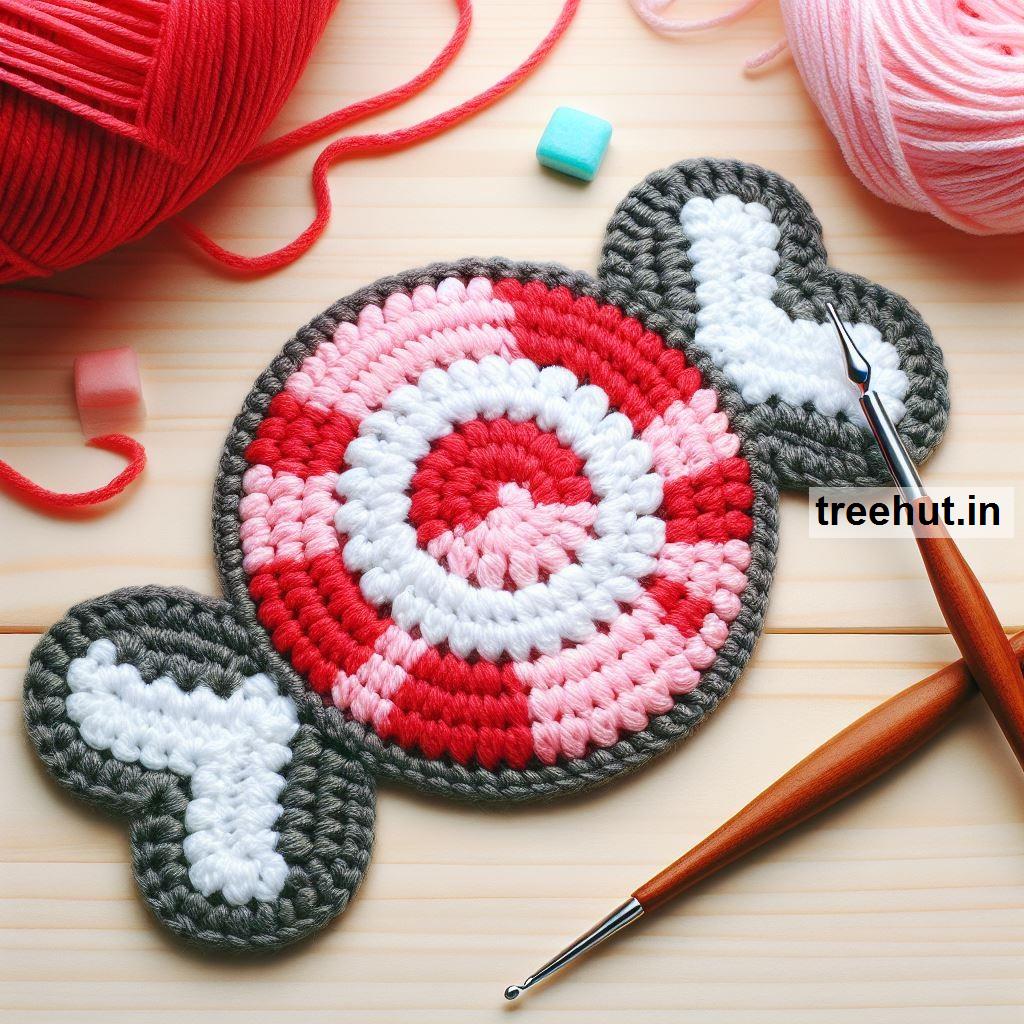
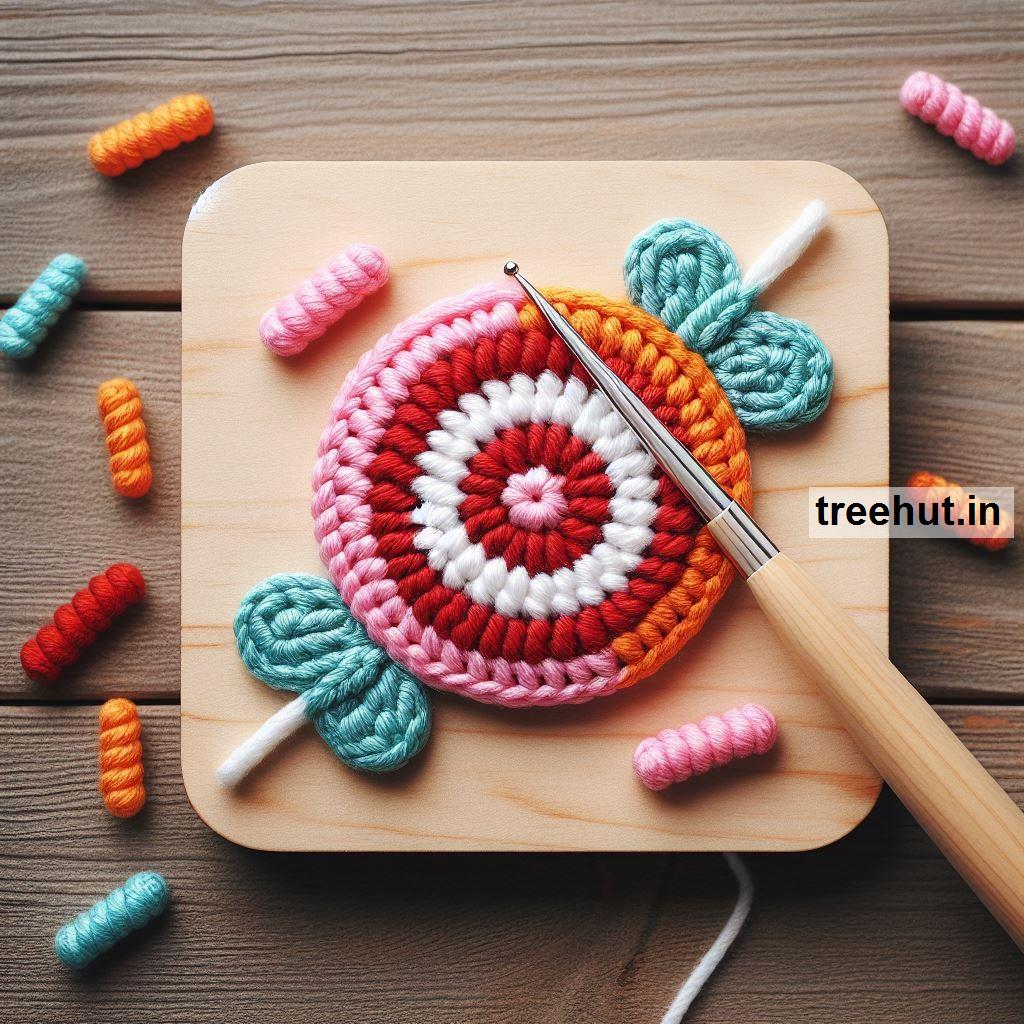
3. Coasters
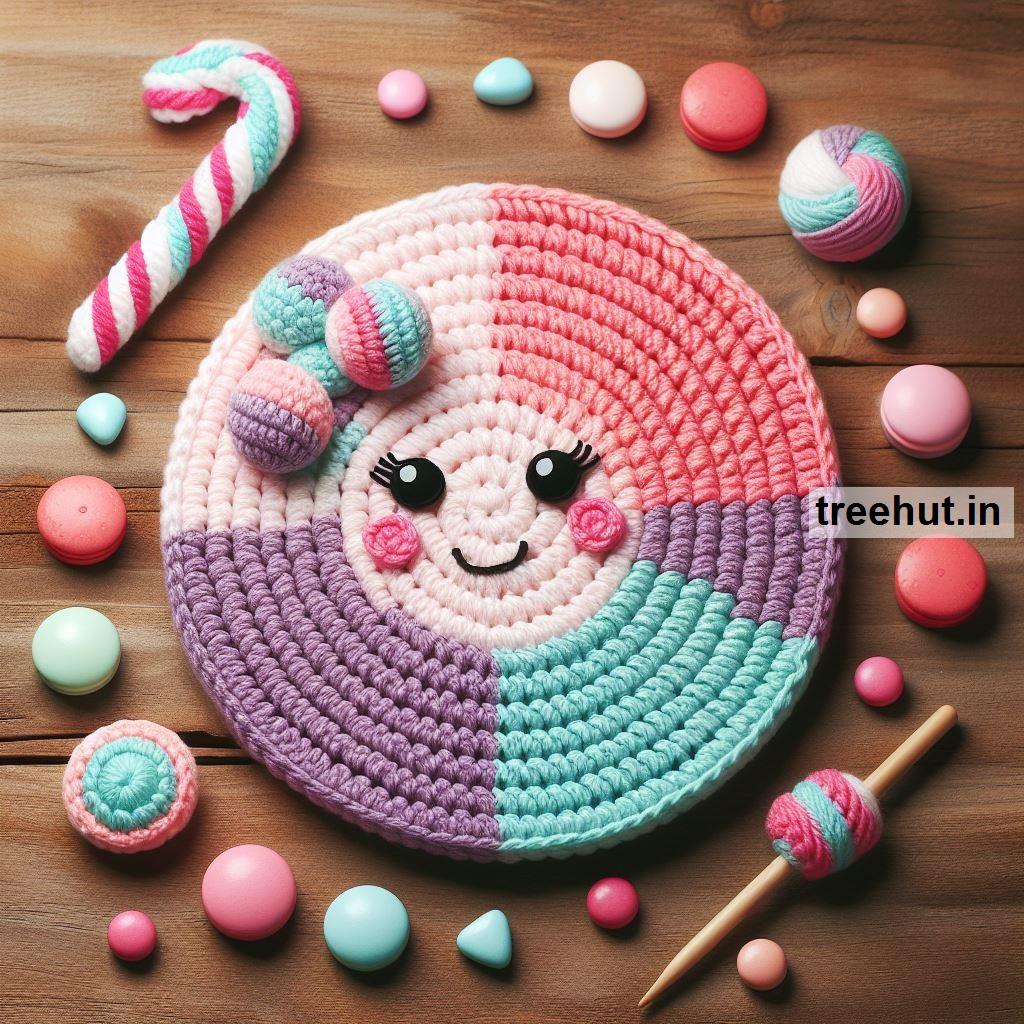
- Why: Coasters are typically small, circular pieces that need a neat and closed center.
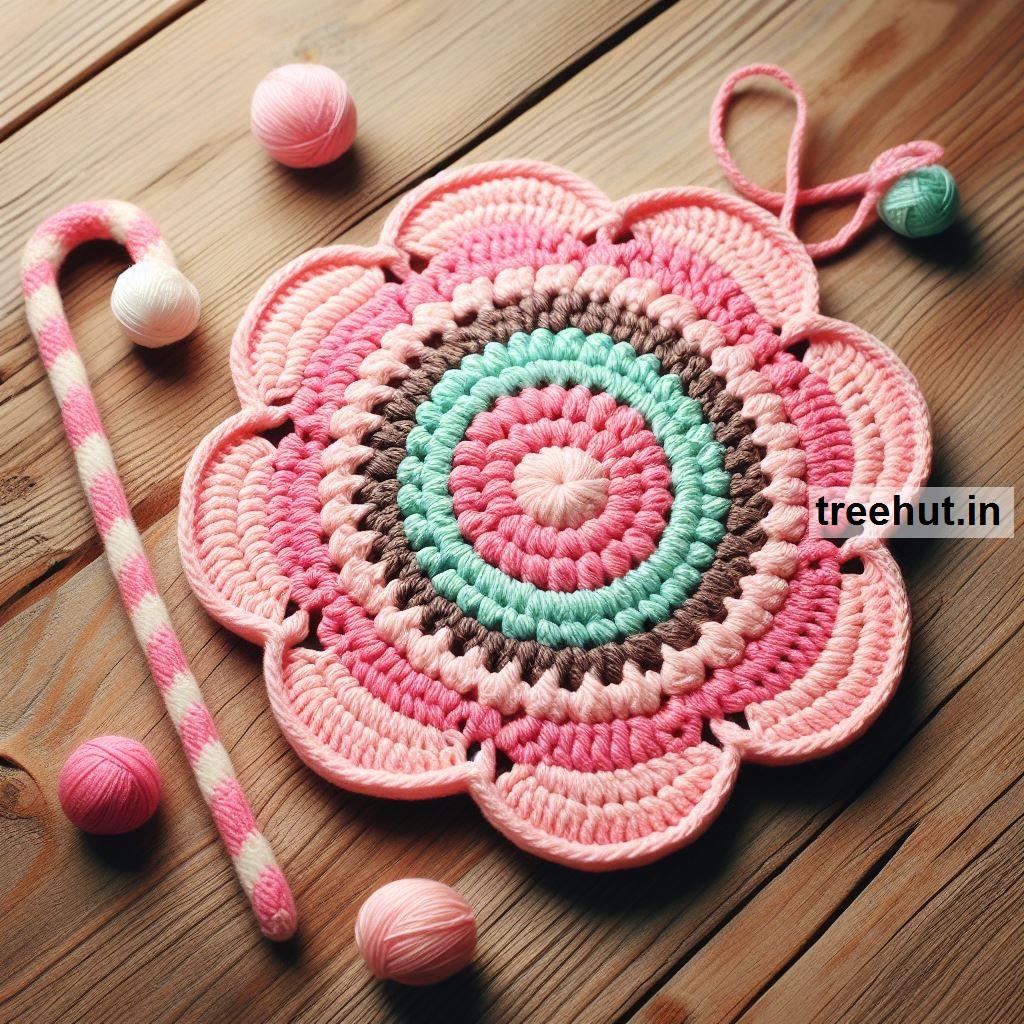
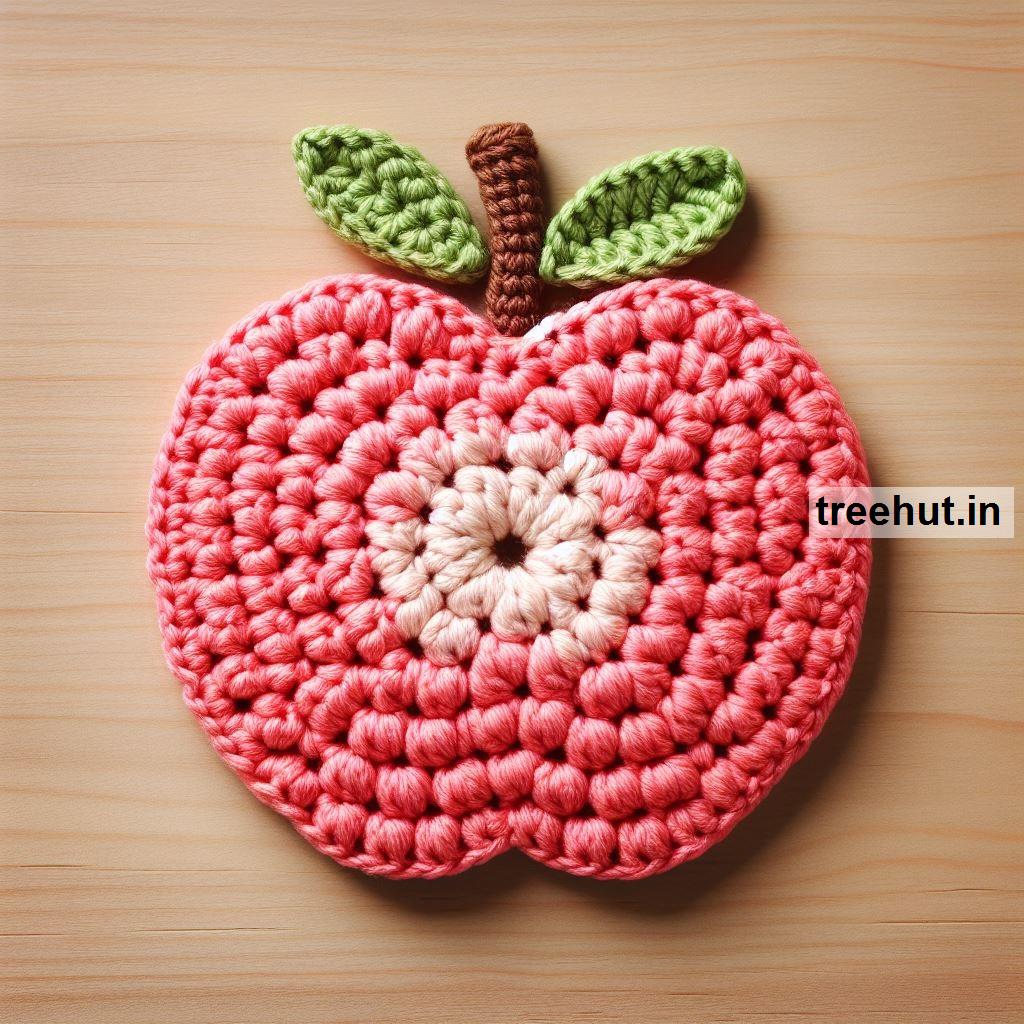
- Example Projects: Fruit-themed coasters (like watermelon, kiwi, or orange slices), mandala coasters, or floral coasters.
4. Mandala or Doily
- Why: These are intricate designs that radiate from the center, and a magic circle gives a smooth, gap-free start.
- Example Projects: Table centerpieces, wall hangings, placemats, or decorative coasters.
5. Bags and Pouches
- Why: Circular-based bags or pouches, like market bags or small drawstring pouches, often start with a magic circle for the base.
- Example Projects: Round market totes, drawstring coin purses, or backpacks.
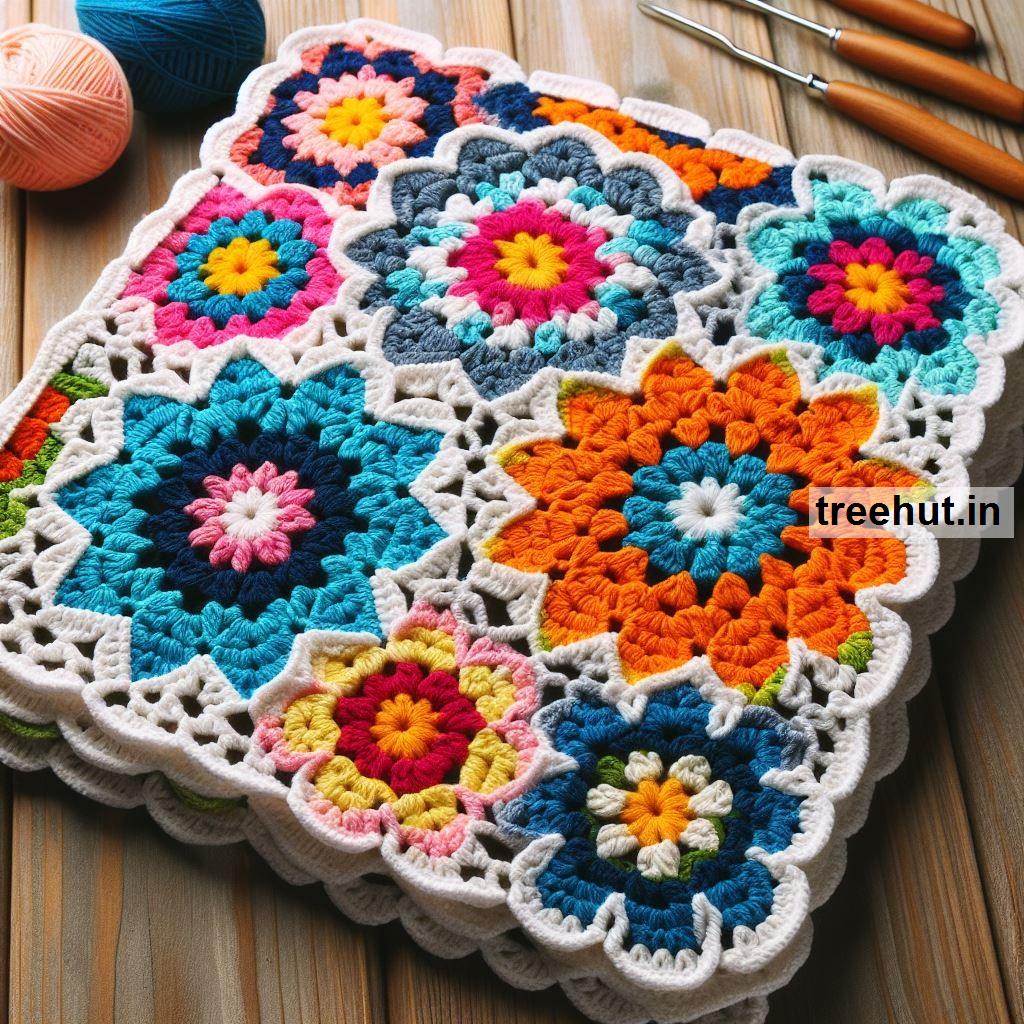
6. Blankets (Granny Circles or Round Blankets)
- Why: Round blankets like circular granny blankets or mandala-style afghans start from the center and grow outward, and a magic circle ensures a neat center.
- Example Projects: Baby blankets, lap throws, or decorative mandala blankets.
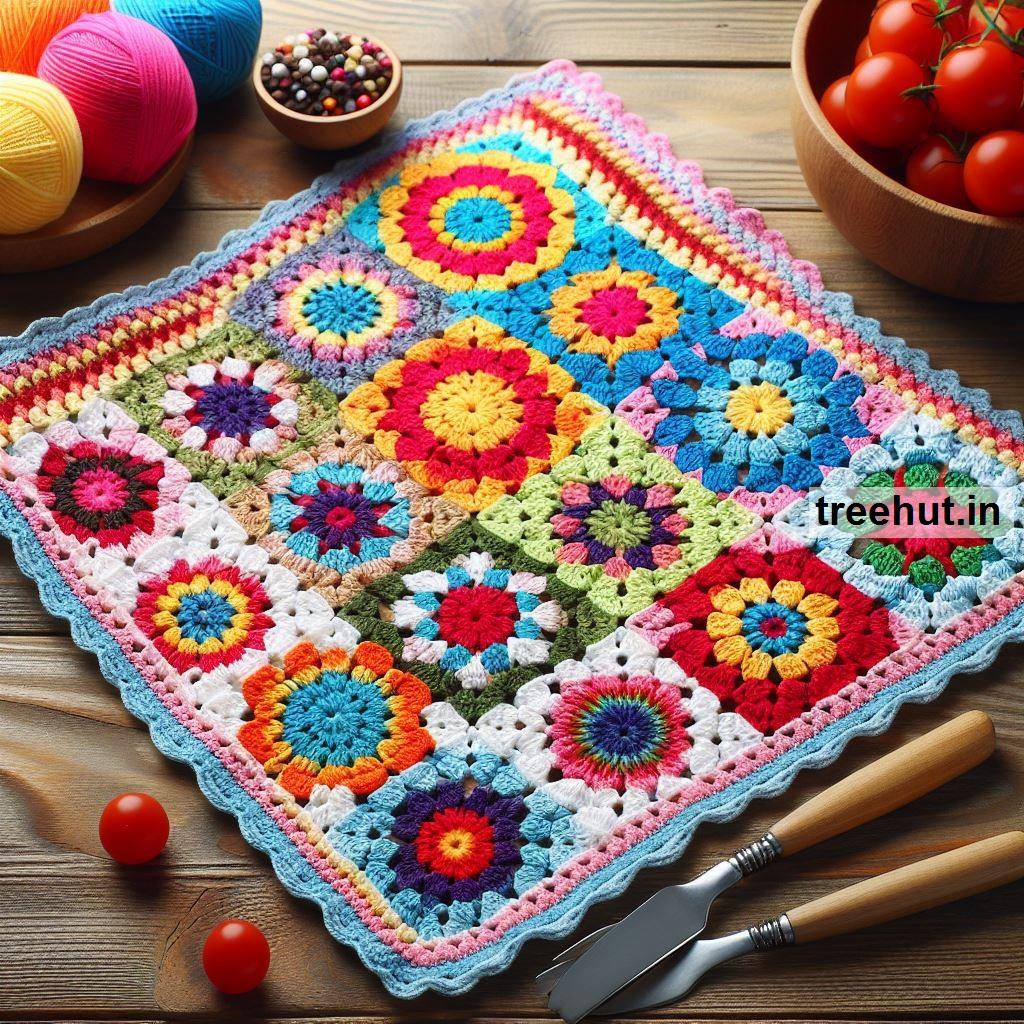
7. Placemats
- Why: Just like coasters, placemats are often round and benefit from the tidy, closed center the magic circle provides.
- Example Projects: Circular dining table placemats, decorative mats for plants or vases.
8. Baskets
- Why: Crochet baskets often start with a small, flat base that you expand outward before building up the sides. The magic circle helps form a sturdy, gap-free base.
- Example Projects: Storage baskets, plant pot holders, or decorative bins.
9. Scrubbies and Washcloths
- Why: Round scrubbies or exfoliating pads often start with a magic circle for a compact center.
- Example Projects: Dish scrubbies, face exfoliators, or bath poufs.
10. Christmas Ornaments
- Why: Many holiday decorations start with a circular base. The magic circle helps create a neat foundation.
- Example Projects: Snowflakes, baubles, Christmas trees, wreaths, or stars.
11. Appliqués
- Why: Small decorative motifs like flowers, stars, or suns are often worked in the round, starting with a magic circle.
- Example Projects: Sunflowers, daisies, hearts, star appliqués for blankets or hats, or other embellishments.
12. Slippers
- Why: Some slipper patterns start with a magic circle at the toe and work outward for a comfortable fit.
- Example Projects: Baby booties, adult slippers, or sock slippers.
13. Pillows
- Why: Round pillows or cushions that are worked from the center outward can use a magic circle to create a seamless look.
- Example Projects: Round throw pillows, mandala-style pillows, or stuffed cushion covers.
14. Cowl or Infinity Scarves (Worked in the Round)
- Why: If you’re working a circular cowl or scarf, the magic circle can start off your work with a smooth, gapless beginning.
- Example Projects: Chunky cowls, lace infinity scarves, or neck warmers.
15. Earrings or Jewelry
- Why: Crocheted earrings or jewelry pieces that start with a circular motif need the magic circle for a polished look.
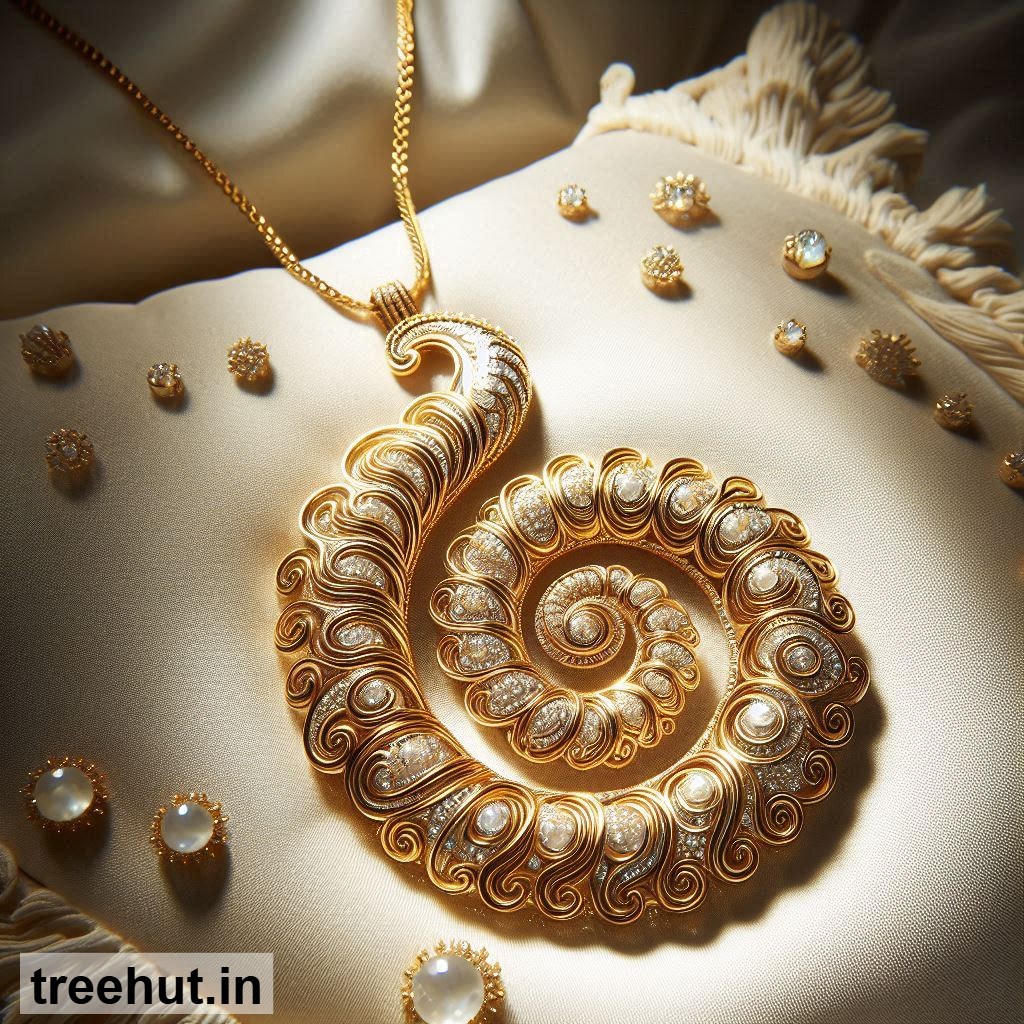
- Example Projects: Hoop earrings, delicate lace pendants, or crochet brooches.
16. Stuffed Cushions
- Why: Larger stuffed projects, like circular cushions or floor poufs, often need a smooth, gap-free start.
- Example Projects: Round floor poufs, seat cushions, or decorative pillows.
17. Toys or Rattles
- Why: Many circular toys or baby rattles are worked in the round, starting with a magic circle to keep the shape tight and enclosed.
- Example Projects: Crochet balls, teething rings, or sensory toys.
18. Circular Rugs
- Why: Large rugs worked from the center outward are best started with a magic circle for a clean look.
- Example Projects: Round area rugs, mandala floor mats, or bathroom rugs.
19. Pot Holders
- Why: Round or oval pot holders are practical projects that benefit from a secure magic circle start.
- Example Projects: Simple circular pot holders, floral-themed trivets, or hot pads.
20. Bunting or Garlands
- Why: Many decorative garlands start with individual circular motifs like flowers or stars, which are then joined together. A magic circle makes the center clean and closed.
- Example Projects: Circle garlands, star or flower bunting for home décor, or holiday-themed garlands.
Final Tips:
- Practice the magic circle technique until you’re comfortable with it. It’s an invaluable tool for projects worked in the round.
- Always ensure your first round of stitches is tight enough to hold the circle securely, especially for functional items like hats or baskets.
Starting your projects with a magic circle not only gives them a professional, polished finish but also helps ensure durability and neatness.