

How do I crochet a dishcloth, and what are some tips for choosing the right yarn, pattern, and size? Crochet Techniques
How do I crochet a dishcloth, and what are some tips for choosing the right yarn, pattern, and size?
Crocheting a dishcloth is a practical and enjoyable project that makes for great gifts or personal kitchen use. Dishcloths are quick to make and can be customized to suit any kitchen decor. Here’s a comprehensive guide on how to crochet a dishcloth, along with tips for selecting yarn, patterns, and determining the right size.
How to Crochet a Dishcloth:
Choose a Pattern:
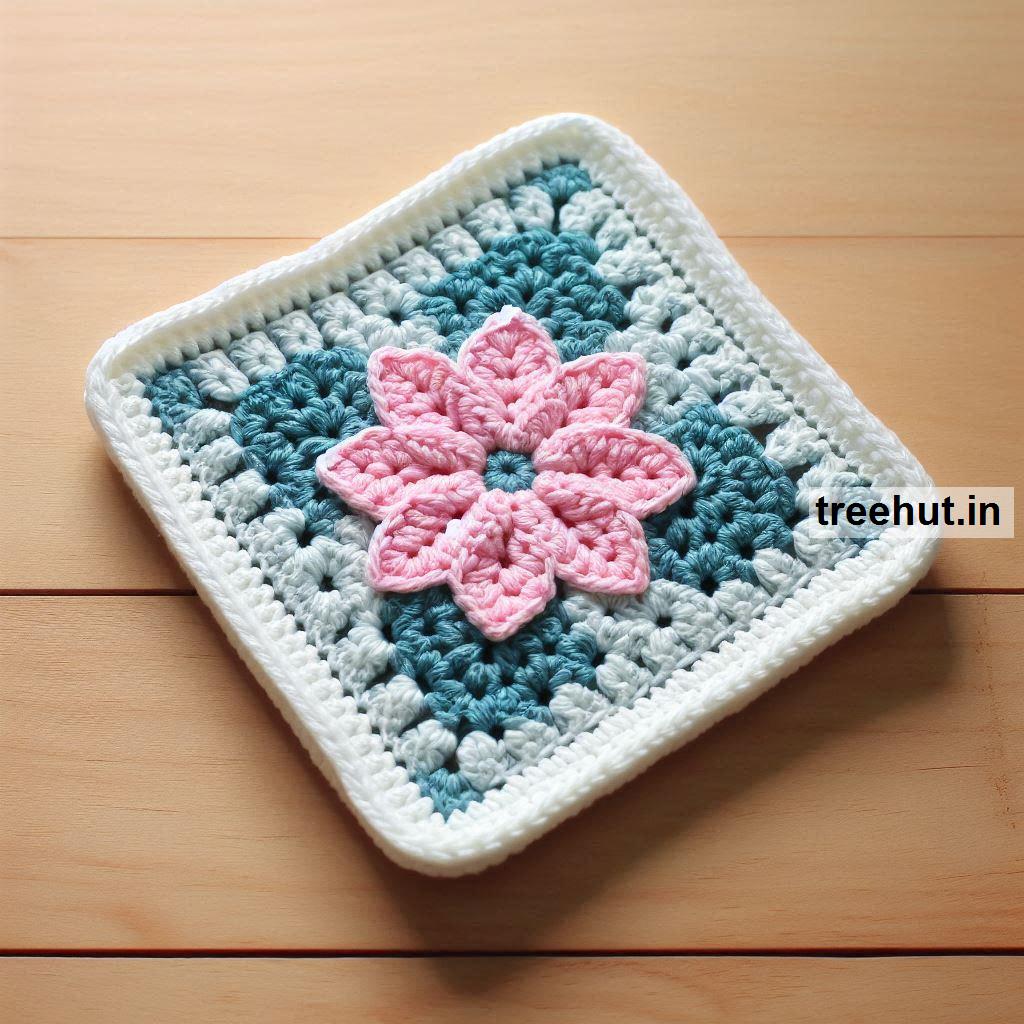
- Basic Dishcloth: For beginners, a simple dishcloth pattern using basic stitches such as single crochet (sc) or double crochet (dc) is ideal. The classic "granny square" or "grandma's favorite" dishcloth pattern is popular and easy to follow.
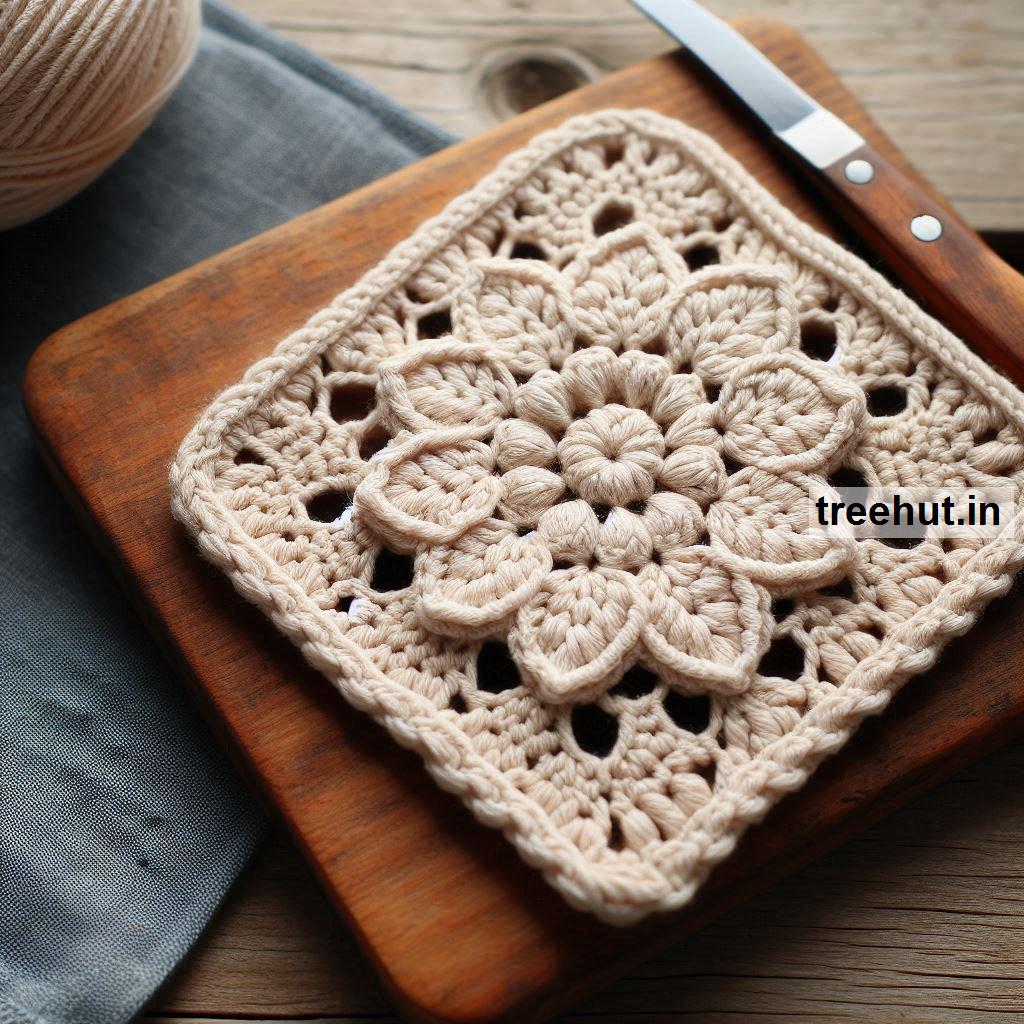
- Textured Dishcloth: Intermediate crocheters might enjoy patterns with textured stitches like the bobble stitch, waffle stitch, or herringbone stitch. These textures enhance scrubbing ability.
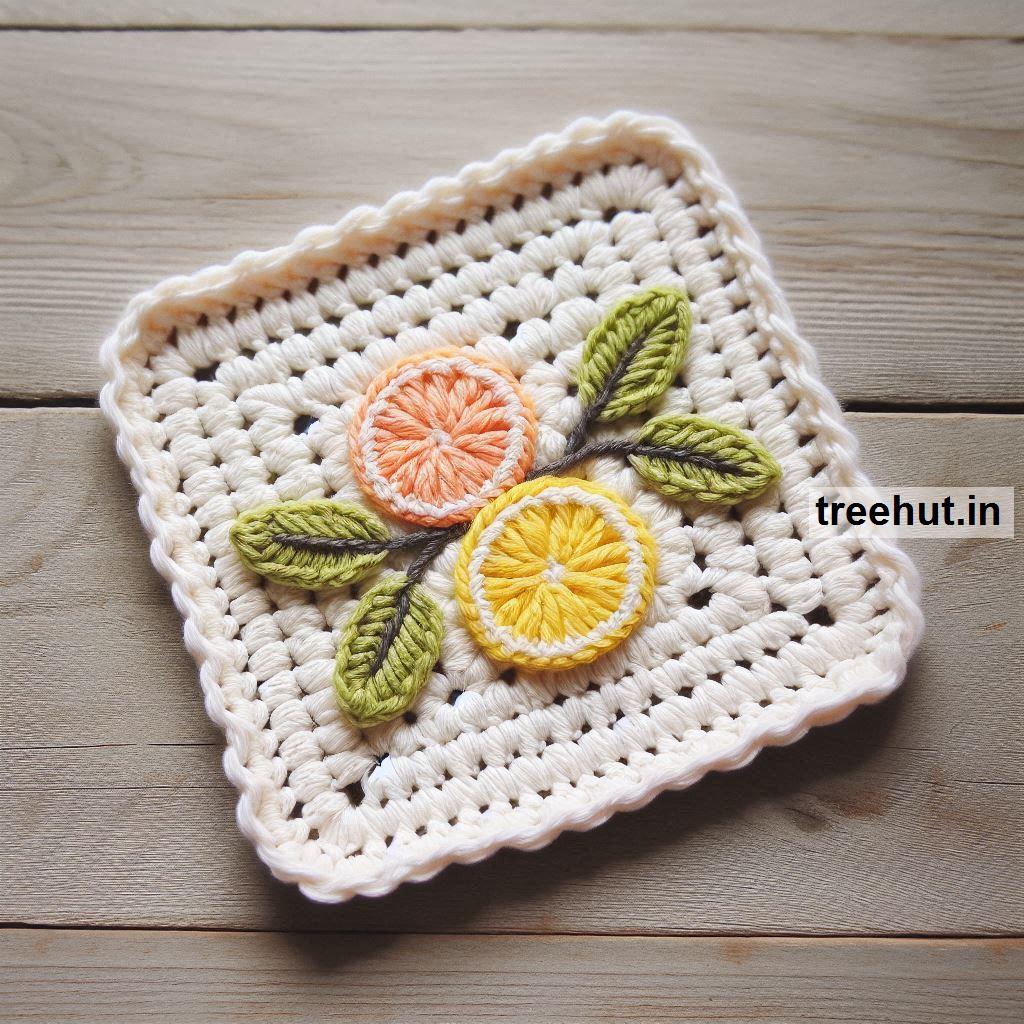
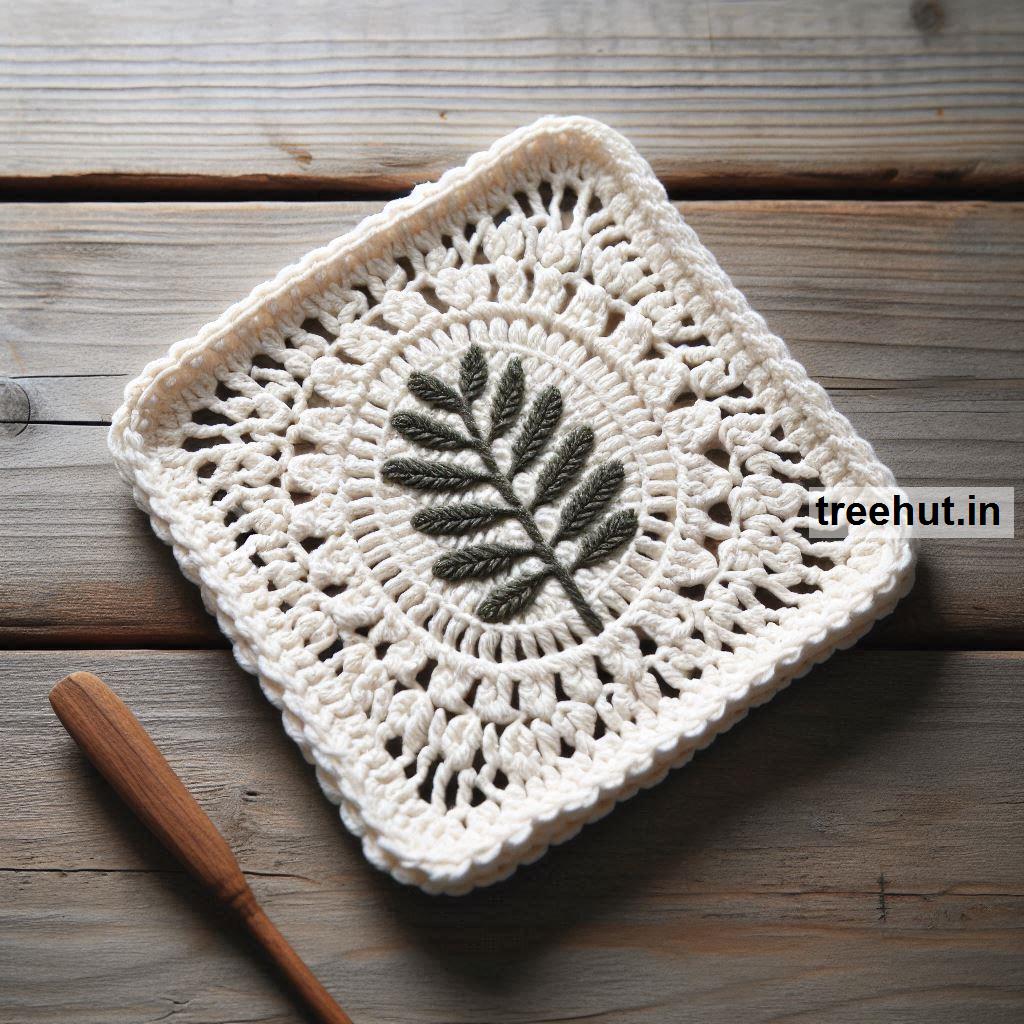
- Decorative Dishcloth: Advanced crocheters can experiment with more intricate designs, such as lace patterns or colorwork, to create unique and decorative dishcloths.
Select Yarn:
- Yarn Weight: Choose a yarn weight that is durable and absorbent. Cotton yarn is the most common choice for dishcloths due to its absorbency and strength. Avoid using acrylic yarn, as it may not hold up well and can be less absorbent.
- Fiber Content: Cotton is preferred for dishcloths because it is highly absorbent and can withstand frequent washing. Look for 100% cotton yarn or cotton blends designed for kitchen use.
- Color and Texture: Choose a color that complements your kitchen decor or personal preferences. Solid colors are classic and practical, while variegated or multi-colored yarns can add visual interest. Consider texture for functionality and aesthetic appeal.
Determine the Size:
- Dishcloth Size: Dishcloths are typically square, with standard sizes ranging from 8x8 inches to 12x12 inches. The size can be adjusted based on personal preference or intended use.
- Adjusting the Size: To adjust the size, simply modify the number of foundation chain stitches and rows based on the pattern. Ensure that you maintain a consistent gauge to achieve the desired size.
Crochet the Dishcloth:
- Start with a Foundation: Begin with a foundation chain that matches the desired width of the dishcloth. For a square dishcloth, the length of the foundation chain should be equal to the width.
- Work in Rows: Most dishcloths are crocheted in rows, with each row worked back and forth until the dishcloth reaches the desired length. Follow the pattern to achieve the texture or design you want.
- Finish the Edges: Once the dishcloth is the correct size, you may choose to add a border for a polished look. This can be done using single crochet (sc), half-double crochet (hdc), or any other stitch that complements the pattern.
Weave in Ends:
- Secure Loose Ends: After completing the dishcloth, weave in any loose ends using a yarn needle. This will help prevent unraveling and give your dishcloth a neat finish.
Care Instructions:
- Washing: Cotton dishcloths are easy to care for and can be washed in the washing machine. For best results, wash them in warm water and avoid using fabric softeners, as they can reduce absorbency.
- Drying: Dishcloths can be tumble dried on low heat or air dried. Make sure they are completely dry before storing them to prevent mildew.
Tips for Choosing Yarn, Pattern, and Size:
Yarn Choice: Opt for high-quality cotton yarn that can withstand repeated use and washing. Look for yarn labeled as “dishcloth” or “kitchen” yarn for durability.
Pattern Selection: Choose a pattern that fits your skill level and the look you want. Simple patterns are quick and practical, while textured designs offer enhanced functionality.
Size Considerations: Stick to standard sizes unless you have a specific need. Ensure that the dishcloth is comfortable to use and effective for its intended purpose.
Gauge: While exact gauge is less critical for dishcloths, maintaining a consistent tension will help you achieve the desired size and appearance.
Color and Texture: Select colors and textures that suit your kitchen decor and personal taste. Textured patterns can enhance scrubbing efficiency, while color choices can add a touch of style.
By following these steps and tips, you can create a functional and stylish dishcloth that is both practical and aesthetically pleasing.