






How do I crochet a bag or purse, and what are some tips for choosing the right yarn, pattern, and hardware? Crochet Techniques
How do I crochet a bag or purse, and what are some tips for choosing the right yarn, pattern, and hardware?
Crocheting a bag or purse is a fantastic project that allows for creativity and personalization. Here’s a detailed guide on how to crochet a bag or purse, along with tips for selecting yarn, patterns, and hardware:
How to Crochet a Bag or Purse:
Choose a Pattern:
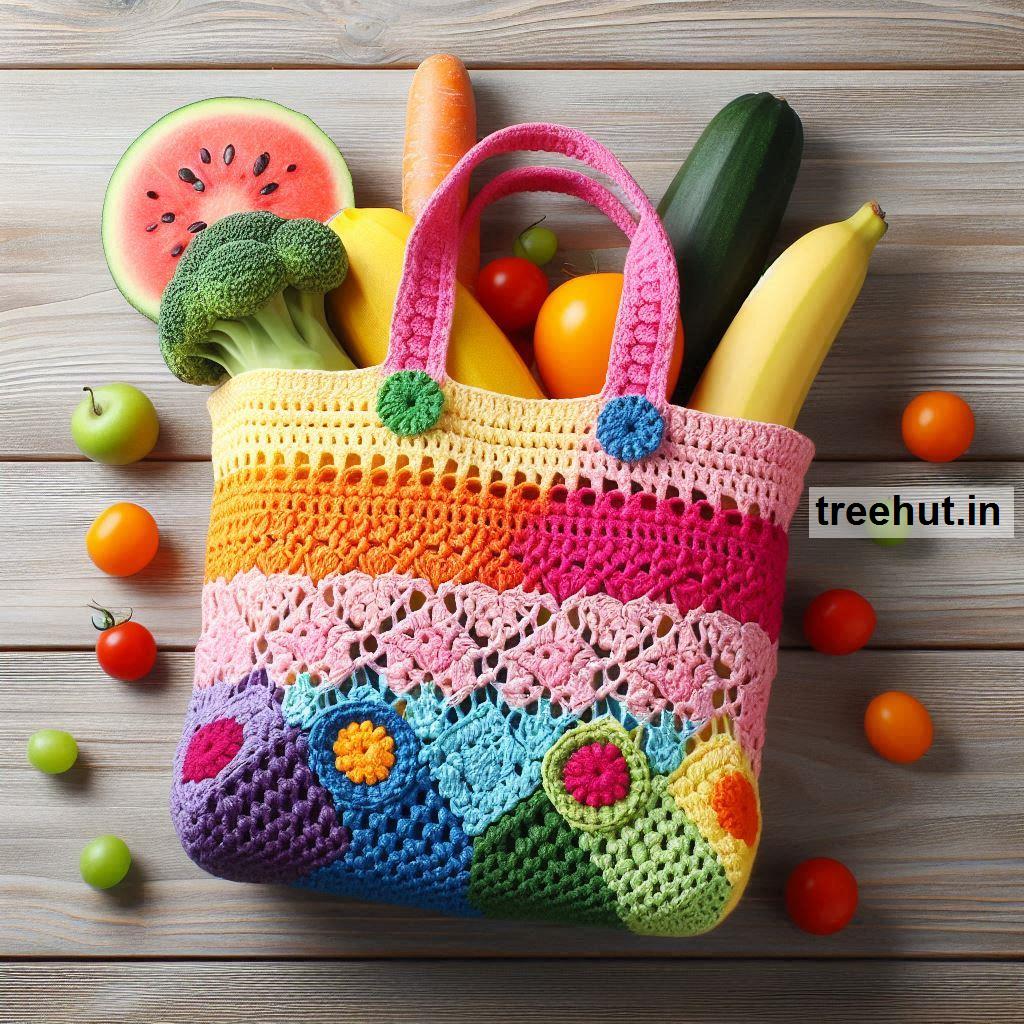
- Simple Bags: For beginners, start with a basic pattern such as a tote bag or a simple pouch. These often involve basic stitches and shapes.
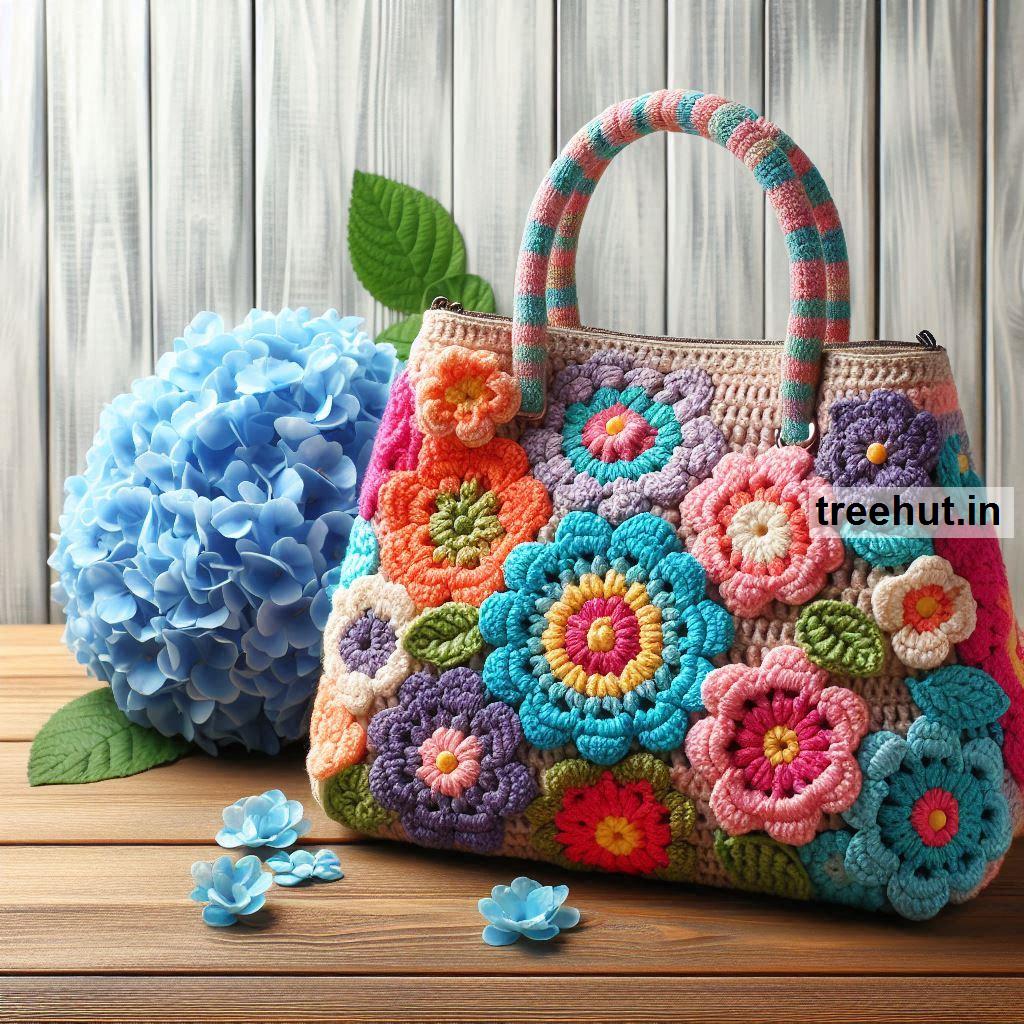
- Intermediate Patterns: For more complex designs, consider patterns with stitches like the granny square, bobbles, or textured stitches. Patterns might also include features like pockets or straps.
- Advanced Patterns: Experienced crocheters might opt for bags with intricate designs, such as mosaic crochet, colorwork, or detailed shaping.
Select Yarn:
- Yarn Weight: Choose a yarn weight based on the bag's intended use. Worsted weight or bulky yarns are often used for sturdy bags, while lighter yarns work well for smaller, delicate purses.
- Fiber Content: Opt for durable fibers if the bag will see frequent use. Cotton, acrylic, or blends are good choices. For a more luxurious feel, consider wool or silk blends.
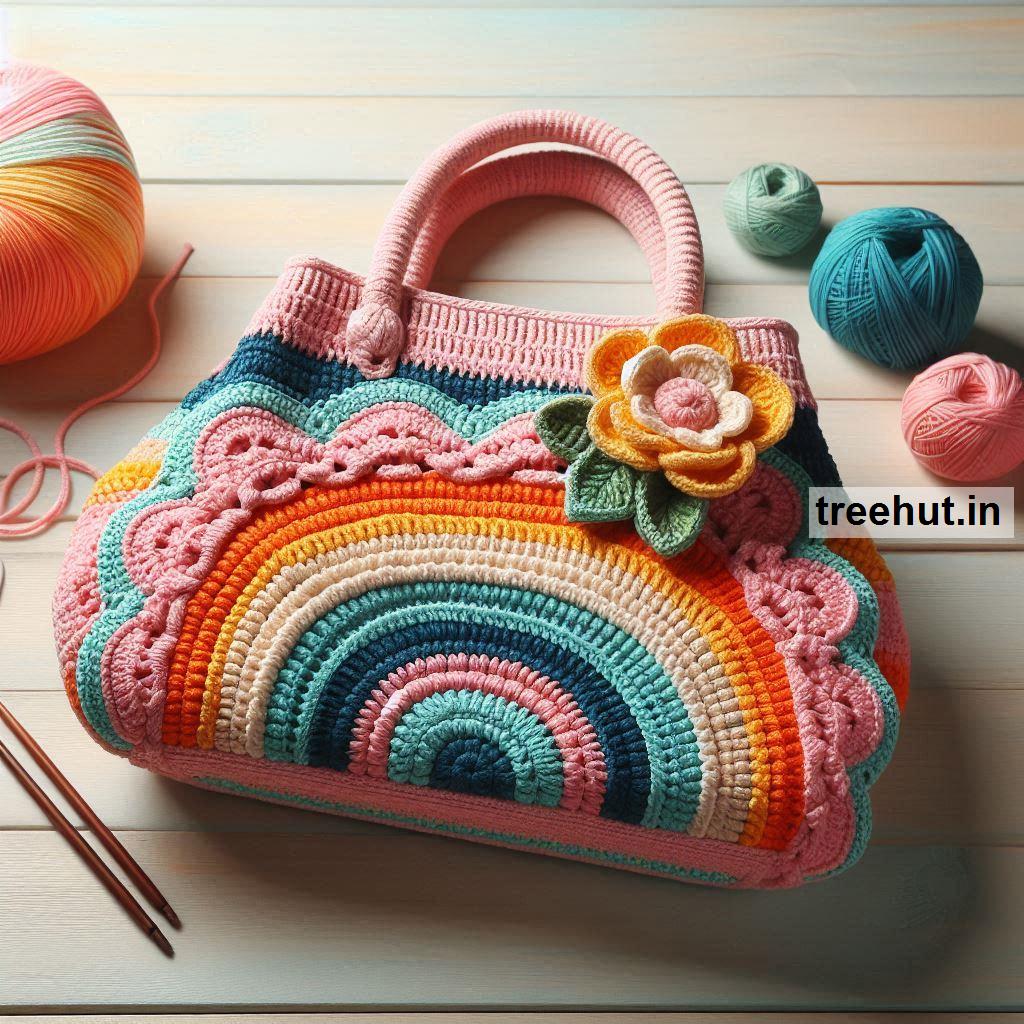
- Color and Texture: Pick colors and textures that suit your style. Solid colors are classic, while variegated or textured yarns can add visual interest to your project.
Choose a Hook Size:
- Hook Size: Use a crochet hook that matches your yarn weight. Refer to the yarn label for the recommended hook size or follow the pattern instructions.
Crochet the Main Body:
- Foundation: Start with a foundation chain or a base row, depending on the pattern. This will form the bottom of your bag.
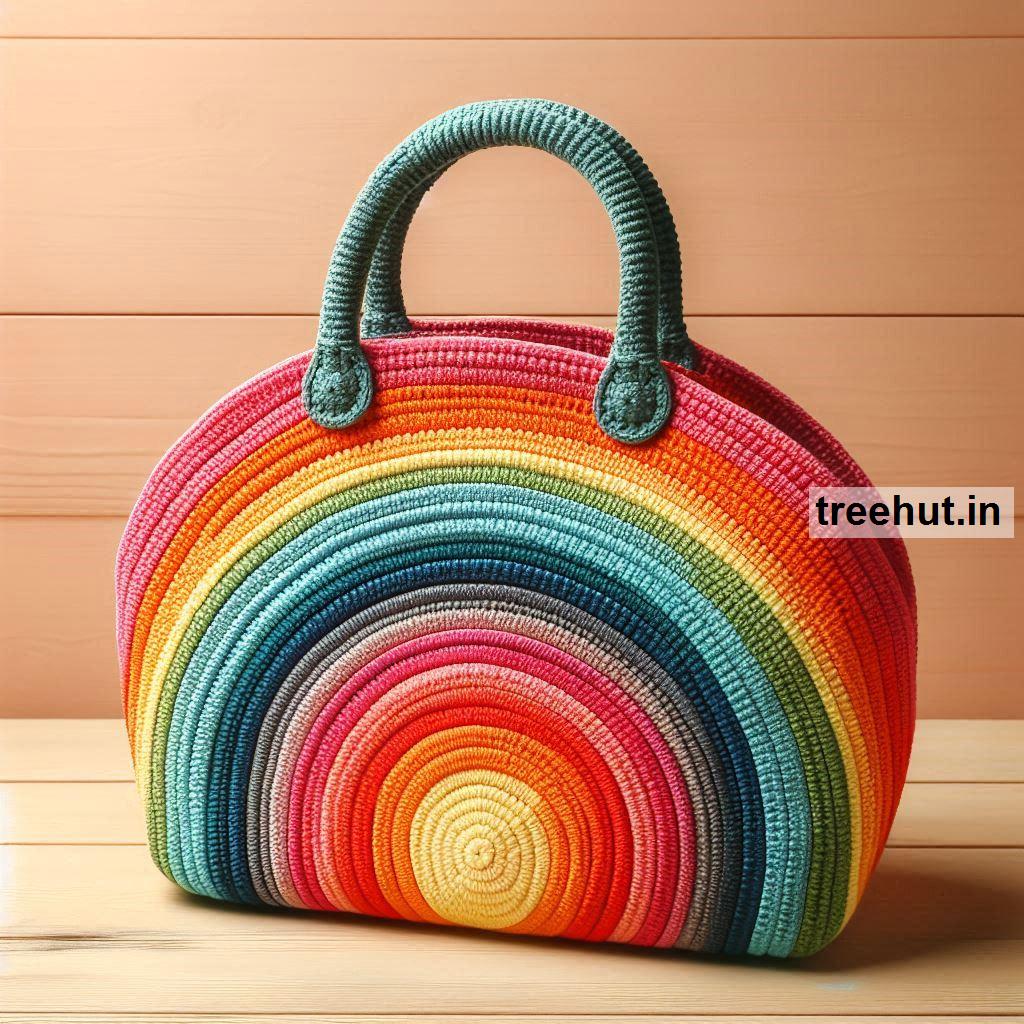
- Body: Follow the pattern to crochet the body of the bag. This may involve working in rounds for a circular bag or in rows for a rectangular or square shape.
Add Features:
- Handles: Crochet handles separately or as part of the body. Handles can be made with the same yarn or a different material for added durability.
- Lining: If desired, add a lining to your bag for extra structure and to protect the inside. You can sew in a fabric lining or use a pre-made bag liner.
- Pockets: Incorporate pockets either inside or outside the bag as specified in the pattern.
Finish and Assemble:
- Joining: Join any parts of the bag if they were crocheted separately. Use slip stitches or a yarn needle to sew the parts together securely.
- Edging: Add an optional border or edging for a polished finish. This can be a simple single crochet or a more decorative stitch.
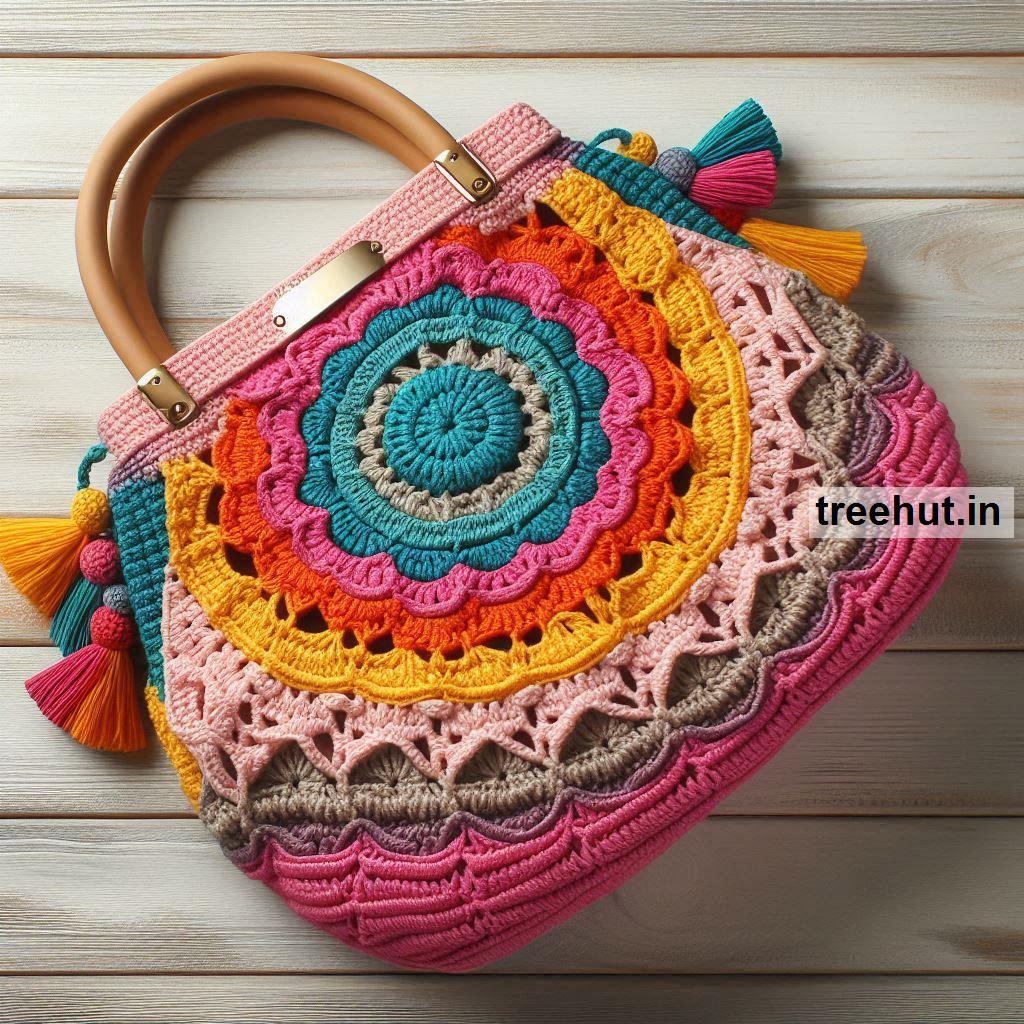
- Hardware: Attach hardware such as buttons, snaps, or magnetic closures if the pattern calls for them. These can be sewn or glued on, depending on the type.
Tips for Choosing Yarn, Pattern, and Hardware:
Durability: For bags that will be used regularly, choose a yarn with good durability. Cotton or acrylic blends are often preferred for their strength and ease of care.
Pattern Choice: Select a pattern that matches your skill level and the intended use of the bag. Simple patterns are great for everyday use, while more complex patterns can be reserved for special occasions.
Size and Shape: Consider the size and shape of the bag you want. Ensure that the pattern you choose will give you the dimensions and style you need.
Yarn Substitution: If you’re substituting yarn, make sure it has a similar weight and texture to the one recommended in the pattern. Check the gauge to ensure proper sizing.
Hardware Compatibility: Choose hardware that complements your yarn and pattern. Make sure any closures or handles are secure and appropriate for the weight of your bag.
Comfort and Functionality: Think about how the bag will be used. Ensure it has enough space, pockets, and handles or straps that are comfortable for carrying.
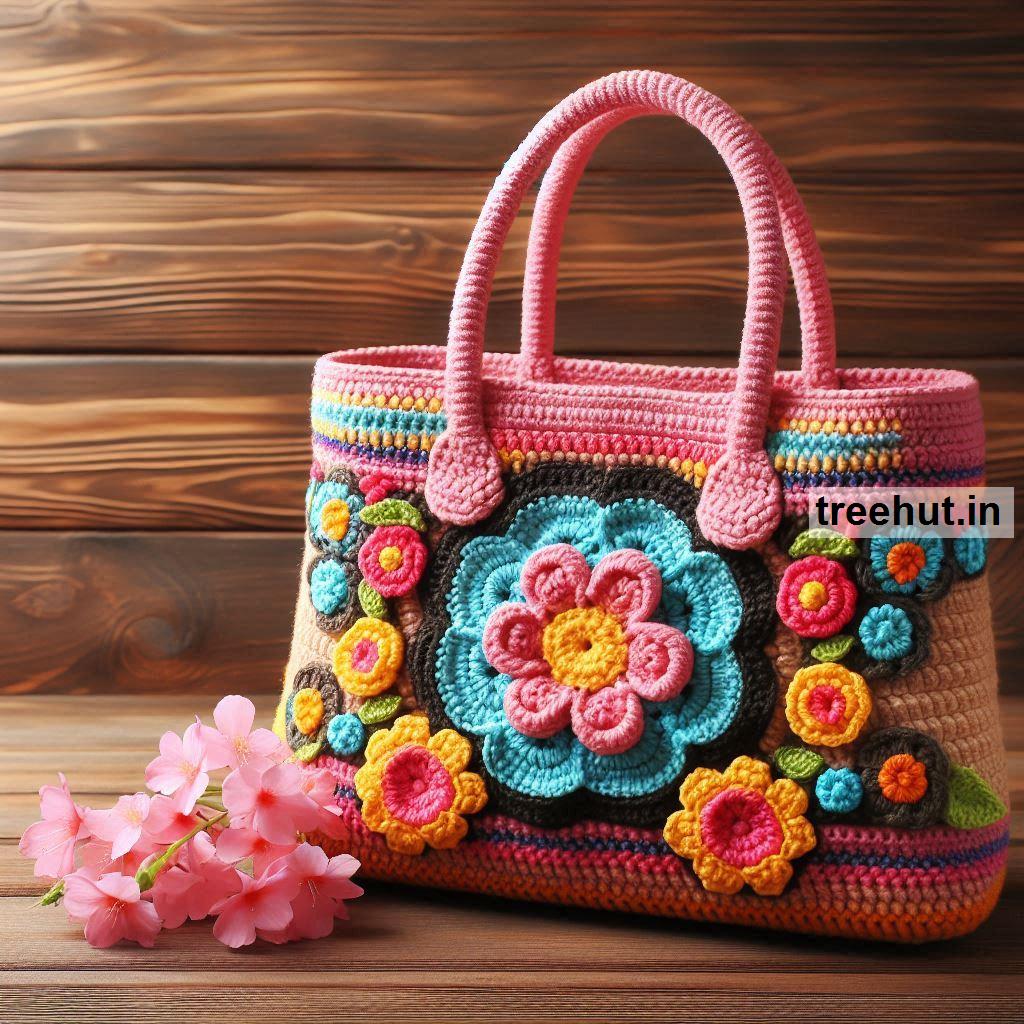
Personalization: Add personal touches to your bag, such as embellishments, unique handles, or custom linings, to make it truly one-of-a-kind.
By following these guidelines, you can create a functional and stylish bag or purse that suits your needs and reflects your personal style.